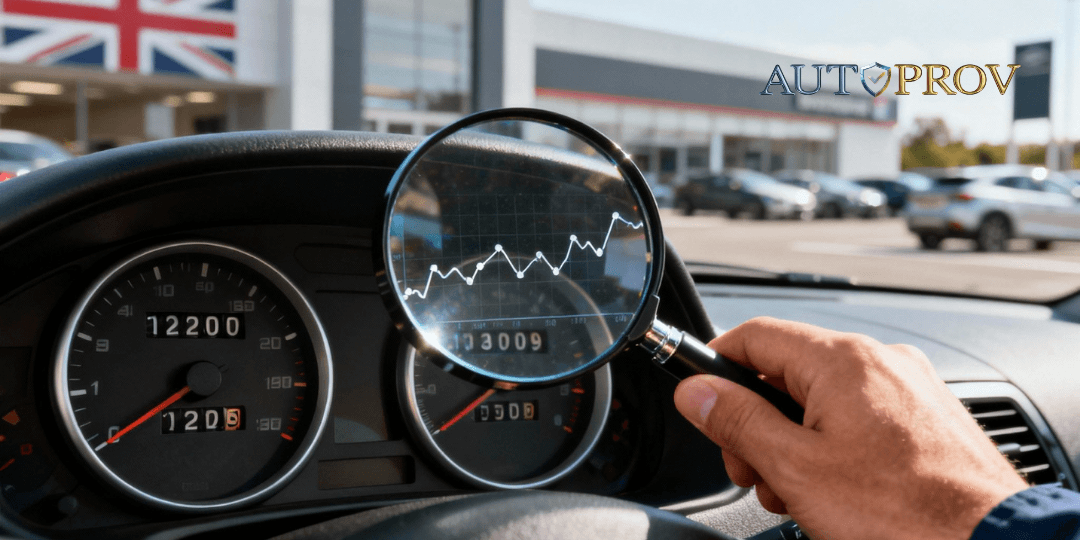
When it comes to a car’s history, its mileage record should tell a simple, straightforward story: the number always goes up. A mileage discrepancy is what happens when that story suddenly does not make sense.
When it comes to a car’s history, its mileage record should tell a simple, straightforward story: the number always goes up. A mileage discrepancy is what happens when that story suddenly does not make sense.
What Is a Mileage Discrepancy?
Think of a vehicle's mileage history as its diary. Every entry should logically follow the one before it. A discrepancy is when you spot a backward step, a massive unexplained jump, or a long period where the mileage just does not move. These are the red flags that demand a closer look.
Spotting these inconsistencies is the first, crucial step in protecting your dealership from buying a problem vehicle, overvaluing stock, or even landing in legal hot water.
These issues can pop up for all sorts of reasons, from blatant fraud to an honest mistake. But no matter the cause, the fallout for a motor trade business is always serious, hitting everything from your bottom line to your reputation.
The Most Common Causes
A wonky mileage reading is not always a sign of something sinister, but you absolutely have to treat it with caution. Understanding where the inconsistency came from helps you gauge the real risk. Here are the usual suspects:
- Odometer Tampering ('Clocking'): This is the big one. It’s deliberate fraud where someone winds back the mileage to make the car seem newer and more valuable than it is.
- Clerical Human Error: A simple fat-finger mistake can cause chaos. Think of a technician typing 91,000 miles instead of 19,000 during an MOT or service. It’s often innocent, but it still creates a major discrepancy that needs correcting.
- Instrument Cluster Replacement: If a car's dashboard display gives up the ghost, a legitimate replacement might reset the odometer to zero. If this is not properly documented, it looks like a massive, suspicious drop in mileage.
- Kilometre and Mile Confusion: This is common with imported vehicles. A car might have its mileage recorded in kilometres, but a later service or MOT logs it as miles without converting. This creates a false, much lower reading.
Why It Matters for Your Dealership
In the motor trade, a clean, verifiable mileage history is everything. It’s one of the biggest factors you use to value a vehicle, predict its future maintenance needs, and get a feel for its overall condition. You can dive deeper into the importance of vehicle mileage verification in our detailed guide.
A vehicle's mileage is more than just a number on the dash; it’s the clearest indicator of its life story and mechanical health. Any discrepancy muddies that story, injecting risk and uncertainty right where you don’t need it.
This is exactly where a sharp vehicle intelligence platform like AutoProv becomes your best friend. Our system is your first line of defence. It automatically digs through multiple data sources, cross-references them, and flags any mileage inconsistencies in an instant. This gives you an immediate heads-up during the appraisal, so you can investigate further and steer clear of a vehicle with a hidden, and potentially expensive, past.
The Common Causes Behind Mileage Mismatches
Spotting a mileage discrepancy is one thing, but understanding why it happened is the real key to assessing risk. Some causes are honest mistakes, while others are calculated acts of fraud designed to deceive.
For anyone in the motor trade, knowing how to tell the difference is a vital skill. It directly impacts your valuations, your reputation, and your bottom line. Let’s break down the most common reasons a vehicle's mileage history might not add up.
Deliberate Odometer Tampering or ‘Clocking’
This is the big one—the most damaging and fraudulent reason for a mileage mismatch. Odometer tampering, or ‘clocking’ as it is known in the trade, is the illegal act of rolling back a vehicle’s mileage to make it seem less used and more valuable.
Think about that high-mileage executive car that suddenly shows up to its next MOT with 30,000 fewer miles on the clock. That’s a massive red flag and a classic sign of this kind of fraud.
The motive is pure profit. Clocking can artificially inflate a car's price by thousands, all while hiding the true wear and tear on major components like the engine, gearbox, and suspension. And it is more common than you might think. Research shows a shocking number of vehicles have mileage discrepancies, with the average clocked car wound back by a significant amount. This shady practice is estimated to cost UK buyers millions every year. If you want to see the full scale of the problem, you can read the detailed findings on clocked cars in the UK.
Unintentional Clerical and Data Entry Errors
Thankfully, not every discrepancy is a sign of criminal activity. Simple human error is a far more common—and much less sinister—cause. These little mistakes usually happen during routine data entry but can create a lot of confusion if they are not investigated properly.
Here are a few classic examples:
- MOT Test Typos: A technician might hastily type 105,000 miles instead of a more likely 15,000. Or they might just get the numbers muddled, entering 86,000 instead of 68,000. This creates an illogical spike in the car's history that looks alarming at first glance.
- Service Record Slips: The same kinds of errors can creep into garage service records. A single misplaced digit on an invoice is all it takes to cast doubt on the vehicle’s entire history.
- Kilometres vs. Miles Confusion: This is a frequent headache with imported vehicles. A car from Europe will have its mileage recorded in kilometres. If a UK technician later logs that figure as miles without converting it (remember, 100,000 km is only about 62,000 miles), it creates a sudden, artificial drop in the mileage record.
While these errors are unintentional, they still create doubt. A discrepancy is a black mark against a vehicle's provenance until it’s properly explained and documented, and that will always affect its value.
Legitimate Mechanical Replacements
Sometimes, a mileage discrepancy is the result of a perfectly legitimate and necessary repair. The instrument cluster—the bit of the dashboard with the odometer—can fail and need replacing.
When a garage fits a new or second-hand cluster, it will come with its own mileage reading, which could be zero or just a random number that does not match the car's true mileage. If the repair is not meticulously documented with invoices, it will look like a sudden, suspicious drop in the vehicle's history.
This is exactly where a system like AutoProv proves its worth. By pulling data from multiple sources and cross-referencing them, our platform helps you tell the difference between an honest repair and a deliberate attempt to deceive. It gives you the clarity you need to make a confident decision.
The Financial and Legal Risks of Inaccurate Mileage
Ignoring a mileage discrepancy is not just a minor oversight; it is a high-stakes gamble with serious financial and legal consequences for your dealership. On one side, you face direct financial losses that squeeze your margins. On the other, you risk damaging legal action that could tarnish your hard-earned reputation.
A vehicle's mileage is one of the pillars of its valuation. Get it wrong, and the financial impact is immediate and significant. An inaccurate reading leads to flawed valuations, which can cause two major problems for your business.
First off, you might overpay for stock. If you acquire a vehicle believing it has lower mileage than it truly does, you have immediately lost money on the deal. This directly eats into your potential profit margin before the car even lands on your forecourt.
Secondly, you risk misleading your retail customers about a car's true value and condition, which is a dangerous position to be in. The financial gap can be substantial.
Illustrating the Valuation Gap
Let’s look at a real-world example. Imagine two identical 2018 family saloons.
- Vehicle A has a genuine, fully documented history showing 100,000 miles. It is a solid, reliable car, but its value rightly reflects its extensive use.
- Vehicle B has been clocked. Its true mileage is also 100,000, but the odometer now fraudulently reads 60,000 miles.
The valuation difference between these two could easily be £2,000 - £3,000, or even more. That lower mileage suggests less wear and tear on the engine, transmission, and suspension, which naturally commands a higher retail price. If you unknowingly purchase Vehicle B at the 60,000-mile price point, you have bought an asset with a hidden financial deficit built right in.
Your Legal Responsibilities and Due Diligence
Beyond the direct financial hit, the legal risks are even more severe. In the UK, motor traders are bound by strict regulations designed to protect consumers from misleading practices. The Consumer Protection from Unfair Trading Regulations 2008 is particularly important here.
This legislation places a clear duty on dealers to perform thorough due diligence. It is simply not enough to take a vehicle's odometer reading at face value. Failing to investigate and disclose a known discrepancy is not just poor practice; it is a breach of your legal and professional responsibilities. The consequences can range from civil claims to criminal prosecution. For a deeper understanding of your obligations, our guide on the Consumer Rights Act 2015 for the UK motor trade provides essential insights.
Operating with transparency is not just about ethics; it is a legal requirement. Selling a vehicle with a known mileage discrepancy without full disclosure is a serious offence that can lead to significant fines and reputational damage.
This is where robust, data-driven checks become non-negotiable. They are your digital due diligence. Using a service like AutoProv, which cross-references multiple data sources to flag inconsistencies, provides the evidence you need to operate transparently. It protects your business from financial loss and legal jeopardy, allowing you to build a reputation founded on trustworthiness and integrity.
How to Properly Investigate a Mileage Discrepancy
So, a vehicle check has flagged a potential mileage issue. This is not a dead end—it’s where the real detective work begins. For any professional in the motor trade, having a solid, repeatable workflow is absolutely critical to get to the bottom of it, protecting your investment and your reputation.
Every single discrepancy needs to be taken seriously, whether it looks like a simple typo or something more deliberate. This is about more than just spotting a problem; it’s about building a complete case file for the vehicle so you can make an informed, confident decision. This means blending digital record-chasing with a proper, hands-on physical inspection.
Let's walk through the steps to methodically unravel any mileage mismatch and make sure no stone is left unturned.
Start with the Digital Paper Trail
Your first move should always be to dive into the official records. This digital footprint creates the timeline of a vehicle’s life and is often the fastest way to spot things that do not add up.
Start by meticulously going through the full MOT history on the GOV.UK website. Do not just glance at the final numbers—look at the progression. Are there any strange jumps, or even worse, drops between tests? A car showing 80,000 miles one year and 65,000 the next is a massive red flag that demands a much closer look.
Next, get your hands on the service history documents. Whether they are in a stamped book or a digital file, the service records must back up the MOT timeline. Do the dates, garage details, and recorded mileages on the invoices line up with what the official MOT data says? Gaps in the service history or mismatched timelines are serious warning signs.
Cross-Referencing with National Databases
To add another layer of certainty, you need to check the vehicle against national databases. A comprehensive vehicle history check from a reputable provider is an invaluable tool. It pulls data from DVLA MOT histories, dealerships, manufacturers, and leasing companies to flag anomalies almost instantly.
The prevalence of mileage discrepancies in the UK shows just how essential these checks are. This step is not optional; it is a core part of professional due diligence.
Conduct a Thorough Physical Inspection
With the digital evidence in hand, it is time to get your hands on the car itself. A vehicle's physical condition tells a story that paperwork can sometimes hide. A thorough physical inspection will either confirm what the documents say or expose a lie.
The wear and tear on a vehicle is its physical diary. If the claimed low mileage does not match the condition of high-contact areas, you have a serious contradiction that needs explaining.
Focus your inspection on the key spots that give away a car's true history. A vehicle with a claimed 40,000 miles on the clock simply should not have the worn-out interior of a car that has done triple that.
- Steering Wheel and Gear Knob: Look for that tell-tale shine, smoothness, or worn-down texture on the leather. These are always the first places to show heavy use.
- Pedal Rubbers: Worn-out pedals are an obvious sign, but brand-new ones on a low-mileage car can be just as suspicious. It could be a cheap trick to cover up the evidence.
- Driver's Seat Bolster: Check the side bolster on the driver's seat. Is it sagging, collapsed, or heavily worn? This area takes a beating every time a driver gets in and out.
- Dashboard and Instrument Cluster: Look closely around the dashboard for tiny scratches, pry marks, or trim panels that do not sit perfectly flush. These are classic signs that the cluster has been removed.
Running through this entire process—from digital checks to physical inspections—can be incredibly time-consuming. AutoProv pulls all these critical data sources into one clear, simple view. Our platform does the heavy lifting, saving you from manually piecing everything together and empowering you to conduct a thorough, confident investigation every single time.
Using AutoProv for Proactive Mileage Verification
Anyone who’s been in the trade long enough knows one simple truth: reacting to a problem is always more painful—and more expensive—than preventing it in the first place. Too many dealers treat vehicle history checks as a final box to tick just before a deal closes. Smart dealerships, however, are now building these checks right into the core of their appraisal process.
This simple shift turns vehicle verification from a last-minute chore into a powerful, proactive strategy for managing risk.
That’s exactly where AutoProv comes in. We designed our platform to be much more than a simple background check. It integrates directly into your day-to-day workflow, becoming an essential tool from the moment you first lay eyes on a potential part-exchange or auction buy. It delivers the insights you need not just to dodge bad stock, but to actively build a more profitable and transparent business.
By taking this proactive approach, you are not just buying cars smarter; you are building a data-first culture. Every decision is backed by solid evidence, putting accuracy first and strengthening the customer trust that keeps you in business for the long haul.
Constructing a Comprehensive Mileage Timeline
The bedrock of any decent mileage check is a complete, chronological timeline. Relying on a single data source, like the MOT history, is like trying to understand a film by only watching a few scattered scenes. You get glimpses, but you miss the whole story.
AutoProv automatically pulls together and analyses data from a huge range of sources, piecing together a comprehensive timeline for every vehicle. This is not just about spotting one number that looks out of place; it is about seeing the vehicle's entire journey, year by year.
Our system cross-references data from multiple key sources:
- Official MOT Records: We start by pulling the complete MOT history from the DVLA, which forms the spine of the vehicle’s mileage progression.
- Detailed Service Histories: When available, we layer in service data. These records act as crucial checkpoints between MOTs, verifying the timeline with real-world garage visits.
- Auction Data and Fleet Records: Information from previous sales or its life as a fleet vehicle can provide extra mileage readings, filling in gaps or confirming the data we already have.
This multi-source approach paints a rich, detailed picture that a single check could never hope to match. It lets you see not just if a discrepancy exists, but where and when it might have happened, giving you the context you need to dig deeper.
A car mileage discrepancy explained with multiple data points is the difference between a vague suspicion and a confident business decision. AutoProv connects the dots, so you don’t have to.
AI-Powered Pattern Recognition
Looking over records by hand is a good start, but the human eye can only do so much. The real power of our platform is its AI, which is built to spot the subtle patterns that even a seasoned expert might miss. A massive mileage drop from one year to the next is obvious. But what about the quieter red flags that hint at a hidden problem?
For instance, our system might flag a car that shows a consistent but unusually low mileage increase between MOTs. A vehicle that only covers 500 miles a year for three years running is not automatically clocked, but it is a detail that screams for attention. This pattern could mean it was off the road for major repairs, was a little-used second car, or, more worryingly, that there is a period of undocumented usage.
This is exactly the kind of insight that leads to a sharp, accurate valuation. It prompts you to ask the right questions and ensures you price the car based on its entire history, not just the number on the dash.
By automating this deep level of analysis, AutoProv acts as your ever-vigilant partner in the appraisal process. It gives you the intelligence to move beyond basic checks, helping you make smarter, data-driven decisions that protect your margins and build unshakeable customer trust.
Building Trust Through Transparency and Disclosure
Discovering a mileage discrepancy during an appraisal does not have to kill the deal. Far from it. How your dealership handles these situations is a real test of your integrity, and when approached correctly, it can turn a potential problem into a powerful opportunity to build lasting customer trust.
For motor trade professionals, transparency is not just a trendy word; it is a core business strategy. An honest, well-documented approach to a mileage issue shows credibility far more effectively than a perfect vehicle history ever could. The key is to shift the focus from hiding a flaw to openly addressing what you’ve found.
This means when a discrepancy is confirmed, the goal is not to downplay it but to present it clearly and professionally. That kind of honesty builds the long-term customer loyalty that keeps a dealership thriving for years. Disclosing a known issue is not a failure; it’s the hallmark of a trustworthy, professional operation.
The Pillars of Ethical Disclosure
Putting this principle into practice requires a clear, consistent process. When you discover and verify a mileage discrepancy, your response should be built on three core actions that protect both your business and your customers.
These steps ensure you operate within legal guidelines while cementing your reputation for integrity.
- Document Everything Meticulously: Keep a detailed paper trail of your investigation. This includes copies of the MOT history, service records, your physical inspection notes, and any data from your provenance checks. This file becomes the factual, undeniable basis for your disclosure and valuation.
- Communicate with Absolute Clarity: When you’re presenting the vehicle to a potential buyer, tackle the discrepancy head-on. Explain what you found, what you believe the cause to be (like a documented cluster change or a likely clerical error), and show them the evidence you’ve gathered.
- Price the Vehicle Fairly and Transparently: A car with a known mileage issue must be priced accordingly. Your valuation has to reflect the vehicle's true condition and history. Be ready to explain to the customer exactly how you arrived at the price, linking it directly back to the mileage issue.
A transparent disclosure, backed by solid evidence, turns a negative finding into a positive statement about your dealership's character. It tells customers you do your homework and value their trust above all else.
Turning Data into Trust with AutoProv
This is where having a robust vehicle intelligence partner becomes absolutely essential. Operating with this level of integrity requires more than just good intentions; it demands hard data. A comprehensive provenance check is the very foundation of any transparent disclosure.
A platform like AutoProv empowers your dealership to operate with complete confidence. We provide the aggregated, cross-referenced data needed to support every valuation and every disclosure you make. When you can show a customer a detailed report that highlights a discrepancy alongside all other verification checks, you are not just selling a car; you are demonstrating your commitment to doing business the right way.
Ultimately, AutoProv gives you the tools to turn a potentially difficult conversation into a powerful demonstration of your credibility, solidifying your reputation as a dealer that customers can truly rely on.
Common Questions About Mileage Discrepancies
When you are dealing with used cars day in and day out, the topic of mileage discrepancies is bound to come up. It can feel like a bit of a minefield, so let's clear up some of the most common questions we hear from people in the motor trade.
Is It Illegal to Sell a Car with a Mileage Discrepancy in the UK?
Here’s the short answer: no, it is not illegal to sell a vehicle with a known mileage issue. However, it is absolutely illegal to sell it without telling the buyer exactly what you know.
Under the Consumer Protection from Unfair Trading Regulations 2008, hiding that information is classed as an unfair commercial practice—and it is a criminal offence. Dealerships have a clear duty to do their homework, investigate any odd readings, and give customers the full story on anything that might affect their decision to buy. Being transparent is not just good business; it’s the law.
What Should I Do If a Car's MOT History Shows an Error?
So you have spotted an obvious mistake in a car's MOT history—maybe a typo like 95,000 miles when it should have been 59,000. The first thing to do is get in touch with the MOT test centre that logged the incorrect figure. Often, they can issue a formal correction to the record, clearing up the confusion right at the source.
But what if the discrepancy looks more serious, hinting at potential clocking by a previous owner? In that case, a comprehensive vehicle history check is essential. Having all that documentation to hand is vital for when you sell the car, as you are legally required to disclose the issue to the next buyer to ensure a completely transparent sale.
Explaining a mileage discrepancy with solid evidence turns a potential deal-breaker into a simple point of clarification. Armed with the right data, you can build trust and provide clarity, even when the history is not perfect.
How Does AutoProv Help If It Is Just Human Error?
Even an innocent typo on an MOT certificate can sow seeds of doubt, hitting a vehicle's valuation and scaring off potential buyers. Let's face it, an unexplained anomaly is a massive red flag that can stop a deal in its tracks.
This is where a service like AutoProv really proves its worth. Our platform pulls together data from multiple sources, including MOT history, service records, and auction data, to create a complete picture. If one MOT record shows an illogical jump in mileage, but every other data point tells a consistent, logical story, you have a powerful case for it being a simple data entry mistake.
This allows your team to confidently walk a customer through the situation, using the complete AutoProv provenance report as hard evidence. You not only preserve the vehicle's value but also reinforce your reputation as a trustworthy, diligent dealership.
Frequently Asked Questions
AI-Generated Content Notice
This article was created with the assistance of artificial intelligence technology. While we strive for accuracy, the information provided should be considered for general informational purposes only and should not be relied upon as professional automotive, legal, or financial advice. We recommend verifying any information with qualified professionals or official sources before making important decisions. AutoProv accepts no liability for any consequences resulting from the use of this information.
From our AI insights
- Decoding Mileage: Impact of Seasonal Driving Patterns
Explore how seasonal driving impacts your car's mileage verification.
- Tackling Mileage Fraud in Electric Vehicles
Explore how motor traders can prevent mileage fraud in electric vehicles using advanced techniques.
- Mileage Verification for Hybrid Cars: A 2024 Update
Explore the nuances of mileage verification for hybrid vehicles in 2024 with our expert guide.
Related Articles

Understanding Vehicle Mileage Importance
Discover the critical role of accurate mileage in vehicle provenance and how AutoProv can safeguard your purchase.
What Is the Average Annual Mileage in the UK?
Right now, the average annual mileage for a car in the UK hovers around 7,000 miles. For anyone in the motor trade, that number is more than just a statistic; it’s a vital benchmark that helps buyers, sellers, and insurers get a quick read on a car's usage and potential wear and tear.

A UK Trader's Guide to the DVLA Mileage Check
For anyone in the UK motor trade, running a DVLA mileage check is an absolute must-do before buying any vehicle. It’s your official window into a car’s mileage history, pulled directly from its annual MOT tests. Think of it as your first line of defence against mileage fraud—a stubborn problem that plagues thousands of cars on the used market. This simple check gives you a crucial baseline for a vehicle's authenticity and, ultimately, its value.
Published by AutoProv
Your trusted source for vehicle intelligence