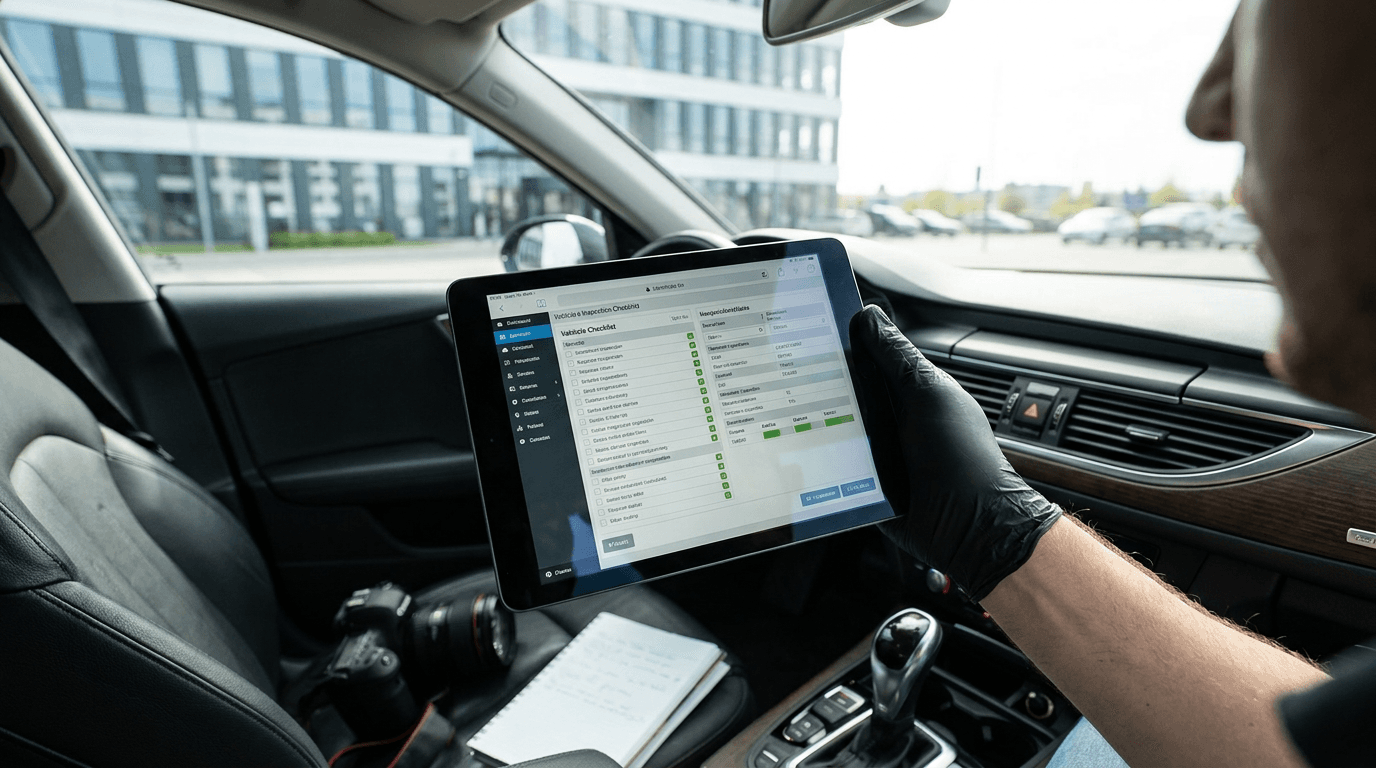
Professional remote appraisal techniques for UK motor traders buying vehicles at distance. Data-driven methods, compliance requirements, and risk mitigation strategies.
By CiteFlow
Why Remote Appraisals Require Different Standards
Remote vehicle appraisals demand fundamentally different verification methods compared to forecourt inspections because you cannot physically examine the vehicle before committing to purchase. The absence of tactile inspection, test drives, and visual assessment means traders must rely heavily on documentary evidence, third-party data sources, and structured photographic protocols to mitigate risk. Without these compensatory measures, distance purchases expose dealerships to vehicles with undisclosed damage, misrepresented condition, or hidden history issues that would be immediately apparent during physical inspection.
The shift towards remote purchasing accelerated significantly across the motor trade, driven by auction platforms, part-exchange networks, and inter-dealer transactions spanning different regions. Dealers in Leeds might source stock from Southampton, whilst Birmingham traders acquire vehicles from Newcastle. This geographic dispersal makes comprehensive data checks and standardised documentation protocols essential rather than optional.
Mandatory Data Checks Before Any Distance Purchase
Every remote appraisal must begin with comprehensive provenance verification before considering condition or price. Outstanding finance, Category S or N write-off markers, stolen vehicle flags, or mileage discrepancies represent deal-breakers that no amount of photographic evidence can overcome. These fundamental checks establish whether the vehicle is legally saleable and accurately represented.
Start with a full vehicle intelligence report covering finance status, salvage history, stolen vehicle databases, DVLA keeper changes, and MOT mileage progression. This baseline eliminates vehicles with disqualifying issues before investing time in detailed condition assessment. A vehicle showing 47,000 miles on the clock but 89,000 miles recorded at its last MOT represents a non-starter regardless of how good the photos look.
Digital service history verification adds another critical layer, particularly for premium or higher-mileage stock where maintenance records significantly impact value. Manufacturer database checks confirm actual dealer service visits, recorded mileage at each service, and warranty work carried out. This matters because stamped service books accompanying remote sales are easily fabricated, whilst digital records from OEM systems cannot be forged.
Factory build data verification prevents costly mis-descriptions. A seller might claim a vehicle has the Technology Pack or Premium Sound System, but without OEM build sheet confirmation, you are relying on their word. Discovering after purchase that advertised options are absent creates either a loss on resale or an awkward conversation with your customer.
Structured Photographic Evidence Requirements
Photographic documentation for remote appraisals needs systematic coverage rather than selective highlights. Establish a mandatory shot list that sellers must provide: front three-quarter, rear three-quarter, both side profiles, all four wheels individually, boot space, engine bay, dashboard with ignition on showing mileage, and interior from multiple angles. This standardised approach ensures consistent evaluation across different sellers.
Detail shots matter as much as overall views. Request close-ups of any area typically subject to wear: driver's seat bolster, steering wheel rim, gear knob, pedal rubbers, door shuts, and sill covers. These wear patterns correlate with genuine mileage and usage. A vehicle showing 32,000 miles but with heavily worn pedals and a polished steering wheel rim warrants serious questions.
Demand photos of any disclosed damage or imperfections with a reference object for scale. A description of "minor scuff to rear bumper" means different things to different people. A photo showing the damage alongside a coin or credit card provides objective assessment. Similarly, kerbed alloys, stone chips, or interior marks need photographic evidence with sufficient lighting and focus to evaluate repair costs accurately.
Time-stamped and metadata-verified photos add authenticity. Request images taken specifically for your appraisal rather than accepting stock photos that might be months old or from a different vehicle entirely. Some dealers now use video walkarounds with running commentary, which are harder to manipulate than curated still images.
Documentation Standards for Distance Transactions
Complete documentation packages reduce risk substantially when buying remotely. The V5C logbook must show the current keeper with matching details to your seller. Check the document reference number against DVLA records to confirm authenticity. Photocopies or photos of the V5C should be clear enough to verify security features and check for signs of alteration.
MOT certificates provide mileage validation and advisory history. Request copies of the last three MOT certificates if available, checking that mileage progression is consistent and that previous advisories have been addressed. A vehicle showing brake disc advisories for two consecutive years suggests deferred maintenance that will require immediate attention.
Service documentation, even if not digitally verified, should be requested in full. Look for consistency in servicing intervals, use of manufacturer-approved parts for major work, and evidence of addressing known model-specific issues. A premium German vehicle with no evidence of cambelt or water pump replacement at the recommended interval represents a significant liability.
For vehicles still under manufacturer warranty or with extended warranty products, obtain written confirmation of warranty status and transferability. Some warranties are non-transferable or require specific conditions to be met. Discovering post-purchase that an assumed warranty is void eliminates a key selling point.
Compliance Requirements for Distance Sales
Distance vehicle purchases trigger specific Consumer Contracts Regulations 2013 obligations that differ from forecourt sales. When you subsequently sell that vehicle to a retail customer through distance methods, you must provide comprehensive pre-contract information including full vehicle specification, total price, delivery arrangements, and cancellation rights. Building these requirements into your own remote purchasing process ensures you gather the information you will later need to provide.
The digital distance sale pack requirements mean collecting detailed specification data, photographic evidence, and condition reports during your remote appraisal. This documentation serves dual purposes: protecting your purchase decision and fulfilling your subsequent obligations when selling onwards. Traders who skip this step during acquisition find themselves unable to provide compliant distance sale packs to their own customers.
Pre-delivery inspection documentation becomes particularly important for distance purchases. Without personal inspection before buying, your PDI process must be more thorough to identify issues the remote appraisal missed. The used vehicle PDI checklist should be completed immediately upon delivery, with any discrepancies documented and raised with the seller whilst recourse options remain available.
Video Appraisal Protocols
Live video appraisals via smartphone provide the closest alternative to physical inspection. Schedule a video call with the seller and direct them to show specific areas, start the engine, demonstrate electrical functions, and walk around the vehicle systematically. This interactive approach lets you request additional angles or closer inspection of concerning areas in real time.
Recorded video walkarounds offer less interaction but create permanent records. Request unedited footage showing continuous coverage from exterior walk-around through interior inspection to engine bay and boot. Edited videos with cuts or transitions suggest selective presentation. A single continuous take, even if slightly shaky or imperfect, provides more confidence than polished edited content.
Ask sellers to demonstrate specific functions during video appraisals. See the infotainment system boot up, watch the parking sensors activate, observe the climate control operation, and verify that warning lights extinguish after starting. These functional checks identify electrical gremlins that static photos cannot reveal.
Audio matters in video appraisals. Engine noise, exhaust note, and mechanical sounds provide diagnostic information. Ask the seller to start the engine from cold if possible, listen during idle, and capture sound during a brief rev. Unusual ticking, knocking, or rattling noises often indicate issues requiring investigation.
Third-Party Inspection Services
Independent inspection services bridge the gap between remote data checks and physical presence. These services send qualified technicians to inspect vehicles on your behalf, providing detailed condition reports with professional photography. Costs typically range from £75 to £150 depending on location and report depth, representing worthwhile insurance on higher-value purchases.
Choose inspection services with automotive trade credentials rather than consumer-focused alternatives. Trade inspectors understand what matters to dealers: accurate paint depth readings to identify previous accident damage, comprehensive mechanical assessment, and honest evaluation of retail readiness. Consumer inspections often focus on different priorities and may miss trade-critical issues.
Inspection reports should include paint depth meter readings across multiple panels, tread depth measurements for all tyres, brake pad and disc condition assessment, and functional testing of all electrical systems. The report becomes part of your due diligence documentation and provides recourse if significant undisclosed issues emerge.
Some auction platforms and trade networks offer integrated inspection services with standardised grading. These provide consistency when buying from multiple sources but verify the inspection standards meet your requirements. A Grade 3 vehicle in one system might be Grade 2 in another, so understand the specific criteria applied.
Risk Assessment and Price Adjustment
Remote purchases inherently carry more risk than physical inspections, which should reflect in your pricing strategy. Build a risk premium into your maximum bid or offer price to account for potential undisclosed issues. This premium varies based on vehicle age, value, and the quality of documentation provided, but typically ranges from £200 to £500 on mainstream stock.
Consider the cost of rectification for likely issues. Older vehicles or models with known common faults need larger buffers. A diesel vehicle approaching cambelt interval needs that replacement cost factored in unless recent service history confirms completion. Tyres showing 3mm tread in photos will need replacement before retail, so deduct that cost from your offer.
Transport costs impact your effective purchase price significantly. Moving a vehicle from Scotland to the South East might add £300 to £400 to your acquisition cost. Factor this into your calculations alongside the risk premium and likely preparation costs. A vehicle that looks attractively priced becomes marginal once transport, risk premium, and preparation costs are included.
The complete vehicle appraisal checklists for trade buyers methodology applies to remote purchases but with adjusted scoring. Reduce condition scores by one grade when assessing remotely unless exceptional documentation quality justifies confidence. This conservative approach protects margins when the physical vehicle arrives.
Delivery and Immediate Verification Process
Arrange delivery during daylight hours when possible, allowing proper inspection immediately upon arrival. Have your PDI checklist ready and complete it before the transporter leaves. Any significant discrepancies between the remote appraisal and actual condition need documenting immediately with time-stamped photos and transporter witness if possible.
Check the VIN plate against documentation first. Confirm the registration number, VIN, and engine number all match your paperwork. This basic verification prevents accepting the wrong vehicle or identifying cloning issues before the transporter departs.
Conduct a systematic walk-around comparing the delivered vehicle against your photographic evidence. Look for any damage not shown in appraisal photos, check that all described features and options are present, and verify the overall condition matches representations. Significant discrepancies require immediate contact with the seller whilst the vehicle is still on the transporter.
Test all electrical systems, start the engine, and check fluid levels during your delivery inspection. Mechanical issues not apparent in remote appraisal might emerge during this initial assessment. Document everything, as your recourse options diminish once you have accepted delivery and signed paperwork.
Building Trusted Seller Relationships
Developing reliable seller networks reduces remote purchase risk over time. Track your experience with different sources, noting accuracy of descriptions, quality of documentation provided, and how they handle any issues that emerge. Sellers who consistently provide accurate appraisals and comprehensive documentation earn repeat business and higher confidence levels.
Establish clear expectations with new sellers before committing to remote purchases. Specify your documentation requirements, photographic standards, and inspection protocols upfront. Professional sellers appreciate clarity and will either meet your standards or self-select out, both of which serve your interests.
Some dealers develop reciprocal arrangements with counterparts in other regions, conducting physical inspections for each other's distance purchases. A trusted dealer in Manchester might inspect vehicles on your behalf in exchange for you doing the same in your region. These relationships provide physical verification without third-party inspection costs.
Technology Tools Supporting Remote Appraisal
The remote capture tools now available let sellers document vehicles to professional standards using just a smartphone. These guided capture systems ensure consistent photographic coverage, collect required documentation, and create structured appraisal packages that standardise remote purchasing across different sources.
Digital signature and document verification tools enable secure transaction completion without physical meetings. Electronic V5C transfers, digital payment confirmations, and electronically signed purchase agreements create audit trails whilst accelerating transaction speed.
Cloud-based appraisal platforms let multiple team members review remote purchases before commitment. Your buyer might conduct the initial appraisal remotely, whilst your workshop manager reviews mechanical aspects and your sales manager assesses retail potential, all working from the same documentation package.
When to Walk Away from Remote Purchases
Some vehicles simply should not be purchased remotely. High-value prestige cars, vehicles with disclosed accident damage requiring assessment, or anything with incomplete documentation presents excessive risk without physical inspection. Knowing when to insist on personal inspection or decline the opportunity protects your business.
Sellers who resist providing comprehensive documentation or become evasive about specific questions raise red flags. Professional sellers understand trade buyers need thorough information and accommodate reasonable requests. Reluctance to provide additional photos, video walkarounds, or documentation copies suggests something being hidden.
Vehicles priced significantly below market value warrant extra scrutiny when offered remotely. Genuine bargains exist, but substantial discounts often reflect undisclosed issues. If the price seems too good and you cannot physically inspect, the risk typically outweighs the potential reward.
Frequently Asked Questions
AI-Generated Content Notice
This article was created with the assistance of artificial intelligence technology. While we strive for accuracy, the information provided should be considered for general informational purposes only and should not be relied upon as professional automotive, legal, or financial advice. We recommend verifying any information with qualified professionals or official sources before making important decisions. AutoProv accepts no liability for any consequences resulting from the use of this information.
From our AI insights
- Advanced Mileage Verification for UK Dealers
Explore innovative mileage verification tactics for UK car dealers to mitigate risks and enhance negotiations.
- Harnessing Real-Time Data in UK Motor Trading
Explore how real-time data aids UK traders in identifying vehicle risks swiftly.
- Predictive Insights: Using DVLA Data for Stock Risk Analysis
Explore how DVLA data transforms into predictive insights for UK car dealers managing stock risk.
Related Articles

Navigating the UK Used Car Market
Explore the latest trends in the UK used car market and how AutoProv can reveal true vehicle values.
Understanding Market Insights for Vehicle Pricing
Learn how market insights can guide UK traders in setting the right vehicle prices.

7 Best Second Hand Cars to Buy UK: A 2025 Guide
The search for the best second hand cars to buy in the UK can feel like navigating a maze of private listings, vast online showrooms, and conflicting advice. With prices fluctuating and new models constantly entering the used market, how do you identify a reliable, fairly-priced vehicle that truly suits your needs? This guide is designed to cut through the noise and provide clear, actionable insights for your next purchase.
Published by AutoProv
Your trusted source for vehicle intelligence