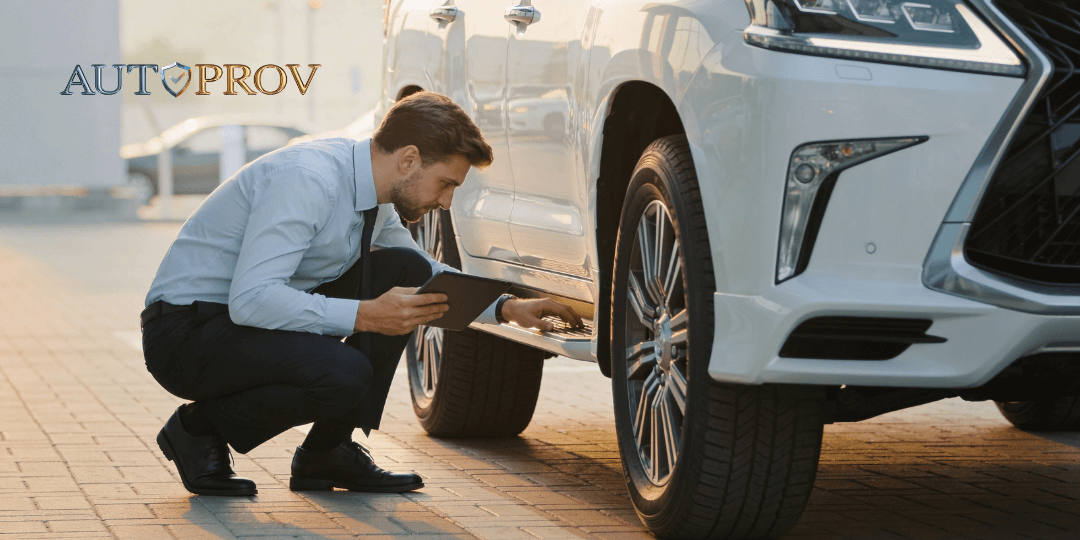
A used 4x4 can look like ideal stock at first glance. Strong retail demand, broad seasonal appeal, and enough margin on paper to justify moving quickly.
Then the core work begins. The best used 4x4 for a dealer isn’t the one with the most impressive brochure spec or the strongest off-road reputation. It’s the one that fits your forecourt, carries acceptable mechanical risk, has a believable history, and won’t come back as a dispute three weeks after delivery.
That distinction matters more in 4x4s than in most other segments. These vehicles attract mixed-use histories, harder working lives, more modifications, and more ownership stories that don’t show up clearly in a basic used car history report. If you’re buying for stock, profit comes from filtering out the stories that don’t add up.
Defining the Best Used 4x4 for Your Forecourt
Friday afternoon at the block. A 4x4 rolls through with strong photos, a desirable badge, and a guide price that still leaves room on paper. By Monday, that same unit can be either clean retail stock or a margin trap with drivetrain noise, weak history, and no clean answer when a buyer asks what it’s really done.
That is the test.

Good 4x4 versus good stock unit
A capable 4x4 is not automatically a profitable one. On a forecourt, the best used 4x4 is the unit that turns cleanly, preps predictably, and stands up to scrutiny after the sale.
That usually comes down to four things:
- History you can defend: Registration timeline, MOT pattern, servicing, mileage progression, and prior use all make sense together.
- Prep exposure you can price: Tyres, transmission, suspension, brakes, and underbody condition do not leave you guessing.
- Demand in your patch: You know the buyer profile, finance tolerance, and likely days to sale.
- Fallback exit: If retail interest softens, the car still has a sensible trade floor.
This trade view matters because 4x4s carry risks that standard hatchbacks often do not. They tow. They work off-road. They get fitted with oversized wheels, mixed-brand tyres, lift kits, and cheap accessories that create appraisal noise and warranty risk. A clean advert can hide a very expensive story.
Reliability helps with shortlist building, not buying decisions
Reliability still matters because it improves your hit rate on stock selection. The difference is how to use it. Reliability should narrow the field before money is committed, not excuse weak provenance or poor prep economics.
Recent owner survey results from What Car?'s reliability reporting on used SUVs and 4x4s continue to put Japanese and selected mainstream SUV models near the safer end of the used market. That lines up with what many buyers already see in trade. Certain Lexus, Toyota, Honda, and some Skoda product often carry lower drama than prestige 4x4s with stronger image than substance.
I still would not buy one on badge confidence alone.
A reliable model with poor servicing, signs of tow use, repeated advisories, or inconsistent ownership can turn into dead money. A less fashionable model with a straight story, proper maintenance, and realistic buy-in can produce the cleaner margin.
Trade rule: Buy the car in front of you, inside a model range you already trust.
What “best” means for your forecourt
The answer changes by stock profile and postcode. A rural site can support different 4x4 stock from a suburban pitch where family SUVs need to turn fast and emissions concerns narrow the buyer pool. If your group already carries too much of one type, check current UK SUV sales trends by segment and buyer demand before adding more similar metal.
I judge a used 4x4 against four commercial questions:
- Will it retail without a long explanation?
- If the history, tyre choice, tow bar fitment, or cosmetic condition needs a sales pitch before the buyer even drives it, the unit is already harder work than it should be.
- Can the workshop quote prep with reasonable accuracy?
- Unknowns kill profit. Transfer case issues, diff noise, suspension wear, corrosion, and electrical faults can wipe out what looked like healthy front-end margin.
- Does the spec help saleability without adding fragility?
- Desirable trim helps. Expensive air suspension, neglected panoramic roofs, and over-complicated driveline systems can turn a good advert into a comeback risk.
- What happens if you need to trade out?
- The best stock gives you options. If the only route to profit is a perfect retail buyer at full ask, the buying position is too tight.
Presentation still matters, just not in the way inexperienced buyers think. Clean interior prep raises confidence and helps photography, but it should support appraisal discipline, not distract from it. Practical guides such as how to clean your seats in your car can help get a cabin sale-ready without trying to hide wear that a proper inspection will expose anyway.
The best used 4x4 for a forecourt is the one that leaves you with room to correct small issues, defend the retail price, and sleep after delivery. That is a better definition of “best” than badge appeal or off-road reputation.
High-Value Models and Their Common Pitfalls
A tidy Discovery arrives in part exchange on Monday. Fresh valet, strong spec, decent photos, and a seller who knows exactly what similar cars are advertised for. By Friday, the same unit can be sat in the workshop needing suspension work, electrical diagnosis, tyres, and a proper history chase before it is safe to retail. That gap between appraisal and reality is where used 4x4 profit gets lost.
The right way to group these vehicles is by trade behaviour. Some models sell with very little explanation and predictable prep. Others create headline margin on paper, then consume it in workshop time, warranty exposure, and slower stock turn.
Premium comfort stock
Lexus RX and NX product sits in a useful part of the market. These cars usually come from buyers who wanted comfort, reliability, and a high driving position, not serious off-road use. That ownership profile often shows up in better cabins, fewer aftermarket changes, and less abuse underneath.
That does not mean they are automatic buys.
The main risk with Lexus is buying the reputation instead of the car. Sellers know the badge carries trust, so asking prices are often strong even when service history is incomplete or tyre quality suggests corners have been cut. A clean interior can distract buyers from overdue maintenance. Hybrid system health, gearbox behaviour, and evidence of long gaps between services still matter.
Skoda Karoq and Yeti stock can also work well in this lane. They rarely carry the same prestige, but they often give a cleaner entry price and broader retail appeal for buyers who want practicality over image. That can leave more room for prep and a more defensible retail number. The trap is assuming they are low risk because they are sensible cars. Poor servicing, cheap tyres, and fleet-style use still turn up regularly.
Rugged workhorses
Discovery, Land Cruiser, Shogun, and similar stock can produce good gross when bought properly. They also carry the biggest spread between apparent margin and real margin.
A Discovery sells on capability, presence, and spec. The problem is that capability usually comes with complexity. Air suspension faults, transfer case issues, electrical gremlins, and towing wear are common reasons a cheap-looking example is cheap for a reason. I treat short ownership patterns, mixed tyre brands, fresh underbody dressing, and vague service invoices as commercial warnings. Any one of them may be manageable. Two or three together usually mean the margin was never real.
Land Cruiser stock is often safer mechanically, but it is not immune from trade risk. Many have worked hard, towed regularly, or spent time in rural use where cosmetic condition matters less than function. Chassis corrosion, worn driveline components, and tired interiors can be expensive to correct if the buying price leaves no room. Demand stays strong because the model has a reputation for durability, but that same reputation can keep trade prices firmer than the actual condition deserves.
If you deal in Range Rover product, this earlier piece on the 2016 Range Rover trade risk profile is useful background. The pattern is familiar. Strong retail appeal, expensive options, and a buyer audience that notices luxury first and maintenance history later.
Reliable all-rounders
Honda CR-V, Toyota RAV4, and Subaru Outback often make better stock than flashier 4x4s because the buying audience is broader and the ownership history is usually easier to defend.
These vehicles do not always deliver the biggest headline profit. They often deliver cleaner deals.
A CR-V or RAV4 with coherent servicing, quality tyres, and sensible mileage progression is easier to appraise, easier to prep, and easier to stand behind after sale. Subaru Outback stock can be similar, although it needs closer checking for towing use, gearbox condition, and evidence that maintenance has been done by someone who understood the car properly.
The common mistake in this category is under-checking. Buyers assume these are safe because they are known for reliability. That is exactly how patchy histories, poor repairs, and neglected maintenance slip through appraisal.
Common Used 4x4 Trade Risk Profile
Model Category Example Models Typical Profit Margin Primary Provenance Risk Premium comfort Lexus RX, Lexus NX, Skoda Karoq Usually steadier rather than aggressive Patchy servicing hidden by strong cosmetic condition Rugged workhorses Land Rover Discovery, Land Cruiser Can look strong, but risk-adjusted margin varies widely Short ownership cycles, hidden electrical issues, heavy-use history Reliable all-rounders Honda CR-V, Toyota RAV4, Subaru Outback, Skoda Yeti Often modest but defensible Assumed “safe” history leading to under-checking Budget image-led stock Older premium-badged 4x4s Tempting on entry price only Deferred maintenance, prior repairs, hard use not reflected in advert What works and what doesn’t
What works:
- Buying clear ownership stories: Long-term keepers, coherent service records, believable wear, and mileage that matches the condition.
- Favouring usable specs: Heated seats and sensible trim help saleability. Complex suspension, niche options, and expensive electronic extras can add failure points without adding enough retail return.
- Keeping one eye on exit routes: The best 4x4 stock can retail well, but can also be traded out without pain if the market shifts.
What doesn’t:
- Paying strong money for reputation alone: A desirable badge does not cover poor maintenance or hidden use.
- Mistaking capability for value: Serious off-road hardware is only an advantage if the vehicle has not been worked into the ground.
- Ignoring small inconsistencies at appraisal: One missing invoice, one odd tyre choice, and one abrupt keeper change are often connected.
The best high-value used 4x4s are rarely the ones with the strongest story in the advert. They are the ones with the fewest expensive surprises after the deal is done.
Decoding Provenance Red Flags Unique to 4x4s
A standard vehicle history check UK process catches the obvious. Recorded finance, theft markers, insurance events, and basic registration details all matter.
For 4x4s, they’re only the start.
These vehicles often lead split lives. School run during the week, towing at weekends. Cosmetic valeting before sale, but years of strain underneath. A basic check may tell you the car exists correctly on paper. It won’t always tell you whether the story makes commercial sense.

The red flags that matter most
The first is mileage credibility.
Odometer fraud remains a live issue in popular UK 4x4s. Provenance data flags 14% of Land Rover Defenders with mileage inconsistencies, and short-ownership patterns under 6 months appear in 22% of Jeep Wranglers, which can indicate potential fraud. The same verified source states that cross-referencing MOT timelines with other data sources via platforms like AutoProv uncovers 40% more anomalies than basic checks (trade risk data on popular off-road vehicles).
That matters because 4x4 mileage is often interpreted too superficially. Buyers see a lower reading and assume lower wear. In reality, a supposedly low-mileage vehicle can still have had a hard life through towing, site work, farm use, or repeated short-term resale.
The second is ownership tempo.
A short ownership period in an ordinary hatchback can be meaningless. In a complex 4x4, repeated quick resale is different. It often suggests that one owner discovered something the next owner didn’t want to absorb.
If a 4x4 has changed hands too quickly too often, I stop asking whether the price is attractive and start asking who is trying to exit the risk.
Why 4x4 provenance needs context
A proper vehicle provenance view beats a simple pass-or-fail report. You’re not just checking whether an event happened. You’re checking whether the pattern is believable.
Look at these combinations:
- Clean MOT pass history plus erratic ownership often deserves more attention than a car with a few straightforward advisories and long-term keepers.
- Moderate mileage plus heavy cosmetic wear can point to undeclared working use.
- Neat presentation plus inconsistent use pattern often signals a vehicle prepared for sale rather than maintained for life.
A strong used car history report for this class of stock should help you read the timeline, not just list entries. That’s the difference between data and actual trade vehicle intelligence.
For dealers who want deeper context before committing, a dedicated vehicle provenance report is more useful than relying on the most basic dealer vehicle checks alone, because the underlying issue is usually the pattern between data points.
What a basic check can miss
A 4x4 can pass a routine appraisal and still carry meaningful hidden risk. The common misses tend to be:
- Use-case mismatch: The mileage says family SUV. The wear says utility vehicle.
- Rapid resale chains: The paperwork is present, but the timeline is uncomfortable.
- Modification clues: Factory-looking presentation that doesn’t align with original use or maintenance habits.
- MOT story gaps: Advisories that appear isolated until you read them as a pattern.
That’s why experienced buyers don’t separate digital checks from physical checks. One explains the other.
The Definitive Trade Inspection Checklist for 4x4s
The physical inspection is where you prove or disprove the paperwork story. A 4x4 can have a tidy advert, sensible mileage, and present well on first walk-round. Underneath, it may tell a very different story.

Start underneath, not at eye level
Most costly 4x4 mistakes sit below the sill line.
Check the chassis rails, crossmembers, mounting points, and the areas hidden by trims or guards. Plastic protection can conceal impact marks, bent fixings, poor repairs, and corrosion that doesn’t show from standing height.
Then look at the drivetrain housings. Differentials, transfer case, prop shafts and surrounding seals tell you a lot. Fresh cleaning around these areas can be innocent. It can also be an attempt to hide leaks or recent disturbance.
Use this order:
- Chassis condition
- Look for distortion, fresh underseal in isolated patches, corrosion that appears dressed rather than treated, and evidence of off-road contact.
- Suspension and steering wear
- Bushes, links, air suspension components where fitted, and uneven stance all matter. A vehicle that sits wrong often costs more than the seller admits.
- Drivetrain operation
- Engage four-wheel drive functions properly. Don’t accept “never used it” as a substitute for testing.
Workshop habit: If the seller explains why something hasn’t been tested, test that first.
Look for environmental damage, not just mechanical wear
4x4s pick up a type of damage ordinary cars often don’t. Water ingress, mud retention, sand abrasion and hidden corrosion can all be present without obvious panel issues.
Pay close attention to:
- Cabin moisture signs: Damp smells, stained carpets, misting patterns, and electrical oddities can point to prior water ingress.
- Load area use: Worn plastics and scratched trims aren’t a problem by themselves. They become relevant when they don’t match the claimed use.
- Underbody corrosion pattern: Uniform age-related corrosion is one thing. Concentrated rust in awkward areas can reflect environmental exposure or poor post-use cleaning.
Watch imported and budget stock closely
This matters particularly on older and lower-value 4x4s where presentation can distract from compliance and repair history.
Verified trade data notes that post-ULEZ compliance and hidden repair histories are critical issues in budget 4x4s, that a 2025 AutoExpress analysis flagged a 27% anomaly rate in some imported 4x4s, including emissions tampering, and that Glass’s Guide notes 4x4 insurance write-off declarations are up 15% year-on-year, often following off-road abuse and later repair without full disclosure (trade note on budget 4x4 risk).
That should change how you inspect.
Don’t just look for quality of repair. Look for evidence of what was repaired, why, and whether the current condition matches the retail story.
A practical accept-or-walk-away filter
Some defects are normal stock buying issues. Others should change the deal materially or kill it altogether.
Acceptable, if priced correctly:
- Age-consistent underbody wear
- Straightforward consumables due
- Minor cosmetic scars from genuine utility use
Usually a rethink:
- Unconvincing chassis repairs
- Non-compliant emissions alterations
- Water ingress with electrical symptoms
- Mismatch between service record and actual mechanical condition
- Signs of previous structural or heavy off-road damage dressed up for sale
If your team wants a broader process document to standardise appraisal quality, this used car inspection checklist is a good operational reference. For 4x4 buying, the key is to add the underbody, drivetrain and use-case checks that ordinary stock doesn’t always require.
Valuation and Negotiation Using Provenance Intelligence
Most dealers lose margin on 4x4s before the car reaches the site. The loss happens at purchase, when enthusiasm for model, spec or season pushes the appraisal ahead of the evidence.
A proper valuation on a used 4x4 isn’t just market price minus prep. It’s market price minus uncertainty.

Price the risk, not the advert
A seller prices from appearance and badge. A trade buyer should price from downside exposure.
That means adjusting your offer for factors such as:
- Broken continuity in service history
- Ownership patterns that weaken confidence
- MOT narrative that suggests use beyond normal family driving
- Evidence of modification, heavy towing, or inconsistent wear
- Any mismatch between the digital story and the physical vehicle
None of those items automatically make the car wrong. They do make the asking price less defensible.
Turn evidence into negotiation leverage
Good negotiation on 4x4 stock isn’t theatrical. It’s documentary.
When the seller says the vehicle is “well looked after”, you need to know whether the records support that. When they say the mileage is right, you need to know whether the pattern supports that. When they say the car has had light use, you need to know whether the inspection supports that.
The strongest buying position usually comes from three layers agreeing with each other:
Layer What you want to see What weakens your offer Paper history Coherent registration, servicing, MOT progression Gaps, abrupt changes, unexplained inconsistency Physical condition Wear that matches age and claimed use Damage pattern inconsistent with the story Market position Desirable spec with clear retail route Narrow audience or difficult compliance questions Buy with reasons you can write down. If you can’t explain the deduction clearly, you probably won’t defend the margin later.
Why better intelligence improves buying discipline
Motor trade risk work becomes commercial rather than administrative in this scenario. Better evidence gives you a firmer offer, cleaner approval path internally, and a stronger basis for defending your retail price later.
It also stops a familiar bad habit. Dealers often treat uncertainty as something to “manage later” through prep. On 4x4s, that’s dangerous. Unknowns around provenance, prior use, or repair quality rarely get cheaper after purchase.
A buyer who uses stronger dealer vehicle checks, a proper mileage check UK process, and broader context from vehicle history check UK data can move faster because the decision standard is clearer.
For teams that want the market side alongside the risk side, these vehicle valuations and market insights are useful because they help frame whether a vehicle deserves aggressive bidding, cautious bidding, or no bid at all.
The discipline that protects margin
In practice, I’d separate 4x4s into three buying positions:
- Buy confidently when the model is proven, the history is coherent, and the condition matches the narrative.
- Buy only at adjusted money when the unit is saleable but carries explainable risk.
- Walk away when the story depends on trust rather than evidence.
That sounds strict. It should be. The trade usually regrets the 4x4s it tried to justify, not the ones it left behind.
Buy Smarter A Framework for Low-Risk 4x4 Sourcing
The best used 4x4 isn’t a single model. It’s the result of a disciplined buying process.
That process starts by separating retail desirability from stock quality. A vehicle can be popular and still be poor inventory. It can also be slightly less glamorous and far safer money.
A repeatable sourcing standard
The lowest-risk approach is straightforward:
- Choose for market fit first
- Buy the 4x4 your site can retail confidently, not the one that merely looks exciting in stock lists.
- Know the model-specific weak points
- Every serious buyer should have a working view on which models tend to produce stable stock and which ones need tighter filtering.
- Interrogate the history properly
- Basic data is useful, but context is what protects margin. Ownership tempo, mileage logic and MOT narrative matter.
- Inspect to confirm the story
- The underbody, drivetrain and evidence of prior use need to support what the records imply.
- Value from downside exposure
- A clean-looking 4x4 with unresolved questions isn’t cheap. It’s just not fully priced yet.
What separates stronger buyers from weaker ones
The stronger buyer doesn’t chase every fashionable 4x4. They filter harder.
They also don’t rely on one source of truth. They use digital history, physical appraisal, and local market knowledge together. That’s what turns a generic used car history report into actual trade vehicle intelligence.
The profitable 4x4 deal is usually the one with the least explaining to do.
Sourcing channel matters as well. A unit that looks attractive on one platform may carry different risk than the same type of stock coming from part exchange, closed trade supply, or specialist wholesale routes. If you’re reviewing channel mix, this comparison of Facebook Marketplace vs. Autotrader is a useful read because it helps frame where lead quality and buying discipline can diverge.
The key point is simple. Don’t buy 4x4s on reputation alone. Buy them on evidence, consistency and resale defensibility.
AutoProv helps UK dealers, traders and wholesalers make those decisions with better context. If you need clearer vehicle provenance, stronger anomaly detection, and more useful point-of-decision intelligence than a basic history check provides, AutoProv is built for that job.
Frequently Asked Questions
AI-Generated Content Notice
This article was created with the assistance of artificial intelligence technology. While we strive for accuracy, the information provided should be considered for general informational purposes only and should not be relied upon as professional automotive, legal, or financial advice. We recommend verifying any information with qualified professionals or official sources before making important decisions. AutoProv accepts no liability for any consequences resulting from the use of this information.
From our AI insights
- Essential Pre-Purchase Checklist for UK Motor Traders
Ensure a seamless vehicle acquisition with our detailed pre-purchase checklist tailored for UK motor traders.
- Leveraging Auction Data for Strategic Car Purchases
Discover how to use auction data effectively to make profitable car buying decisions.
- Auction Pitfalls: Avoiding Costly Mistakes
Navigate UK car auctions with confidence by avoiding finance, write-off, and mileage risks.
Related Articles

Your Ultimate Guide to Buying a Used Car in the UK
Navigate the UK used car market with confidence using our comprehensive buying guide. Tips, checks, and AutoProv Provenance insights included.

Difference Between MOT and Service: What You Need to Know
An MOT is a mandatory legal inspection that every car on UK roads needs to pass.Think of it as the government's way of ensuring your vehicle meets the absolute minimum safety and environmental standards to be considered roadworthy. A service, on the other hand, is a completely different beast. It's the proactive maintenance routine recommended by the people who built your car, designed to keep it running smoothly and catch problems before they start. In short, an MOT is a pass-or-fail exam required by law. A service is a comprehensive health plan for your car.
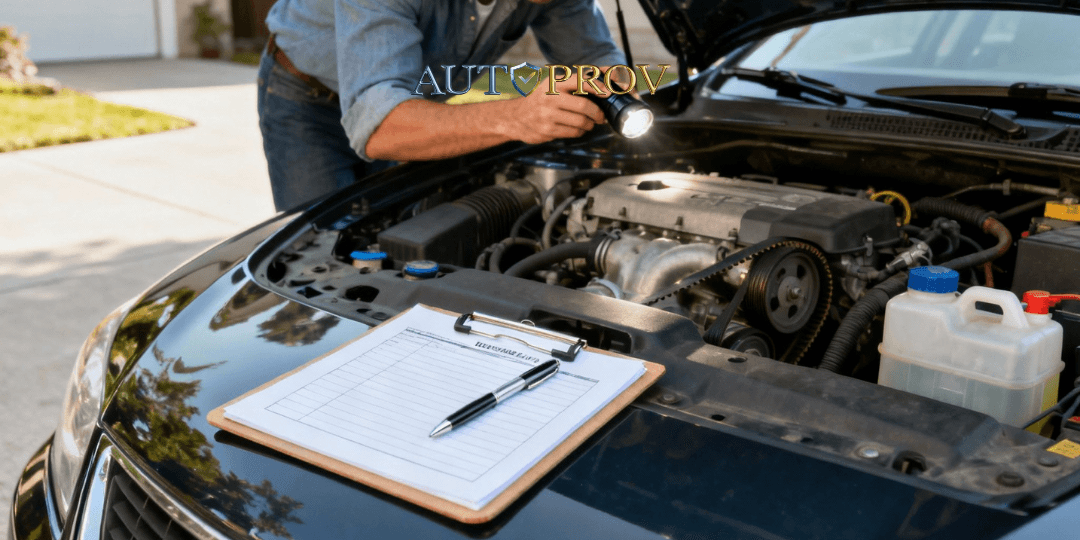
Your Ultimate Used Car Inspection Checklist
A solid used car inspection checklist is the single most powerful tool you have to avoid buying a lemon. It gives you a methodical way to look past the shiny paint and assess a car's real condition, helping you spot hidden problems and get a fair price before you shake hands on the deal.
Published by AutoProv
Your trusted source for vehicle intelligence