
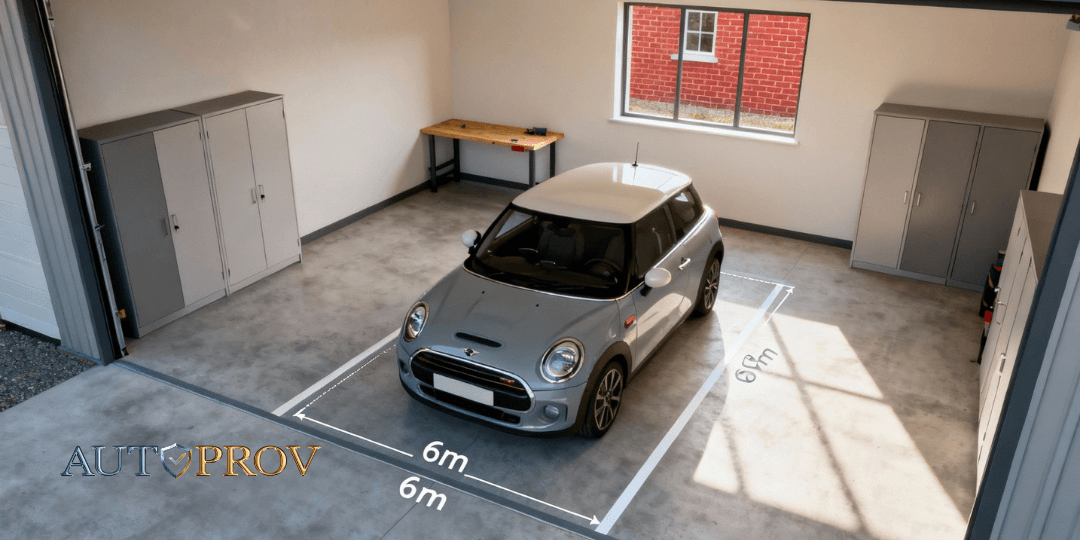
When you're planning a new garage, the first question on your mind is probably, "What's the standard garage size in the UK?" It's a great starting point. Typically, a single garage is quoted as being around 3 metres by 6 metres, and a standard double garage is about 6 metres by 6 metres. But here's the catch: these dimensions are a throwback to an era when cars were a lot smaller.
When you're planning a new garage, the first question on your mind is probably, "What's the standard garage size in the UK?" It's a great starting point.
Typically, a single garage is quoted as being around 3 metres by 6 metres, and a standard double garage is about 6 metres by 6 metres. But here's the catch: these dimensions are a throwback to an era when cars were a lot smaller.
Decoding the Standard UK Garage Size
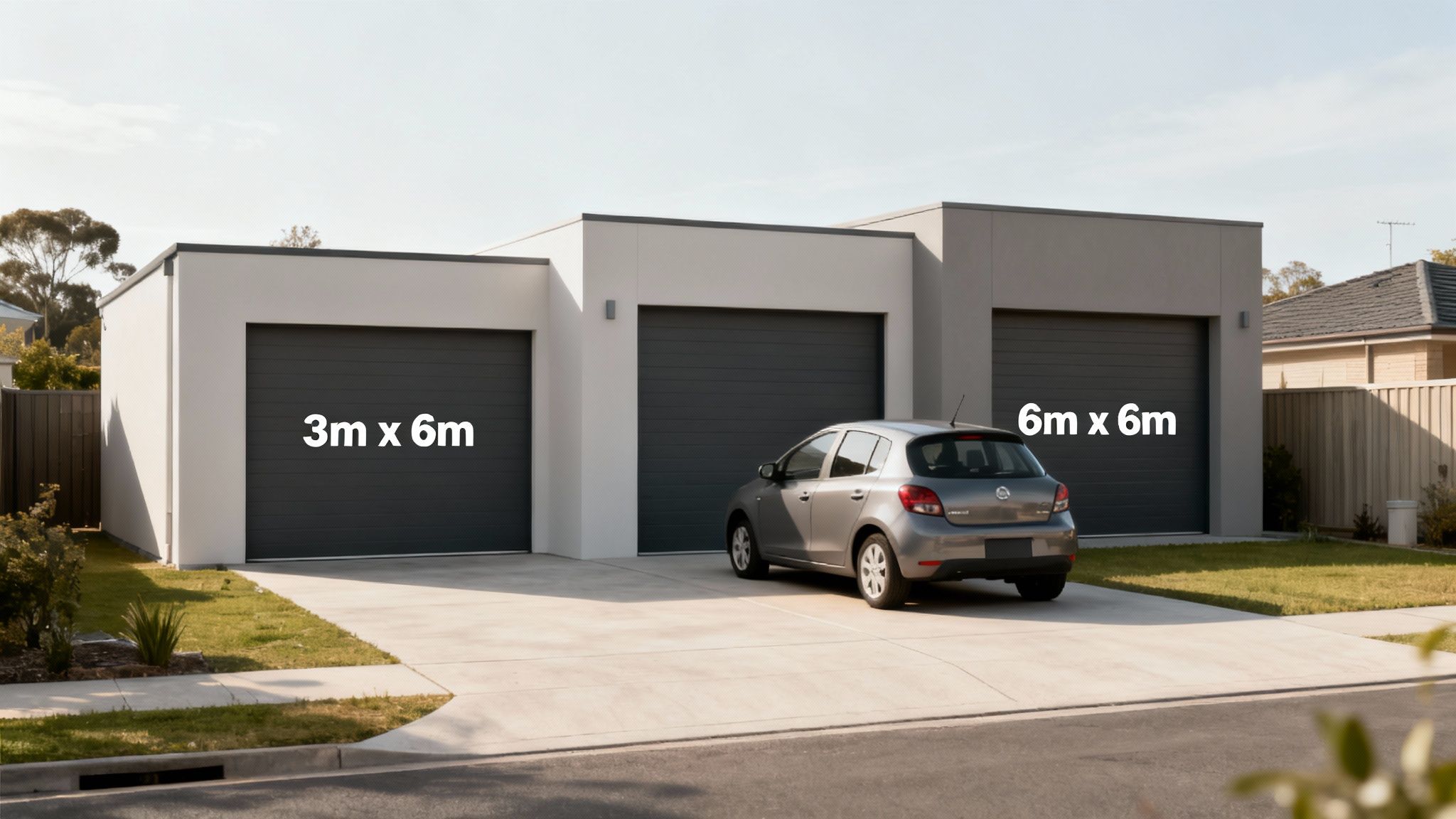
Understanding where these "standard" sizes come from is crucial. If you don't, you could make a very common and expensive mistake: building a garage that’s simply too small for a modern car. For decades, those measurements were perfectly fine for the average family runaround, but as our cars have grown, the old standards have become seriously outdated.
The Problem with Traditional Dimensions
The heart of the issue is a huge mismatch between old building habits and new car design. A garage built to yesterday's standards might technically fit your car, but it often leaves you with no room to open the doors, walk around, or store anything else. This is why so many UK garages have become little more than glorified sheds instead of practical parking spaces.
This isn't just a hunch; the numbers back it up. Recent research has uncovered a major parking headache, revealing that over a quarter (28%) of garage owners in the UK rarely, if ever, park their car inside. A big reason for this is that 16% believe their car is just too big to fit comfortably. It makes sense when you learn that UK cars have grown by an average of 22% in the last 20 years.
Planning for Today's Vehicles
If you want to design a garage that’s genuinely useful, you have to start with the dimensions of your actual vehicle. Modern cars, especially the ever-popular SUVs and new electric models, are significantly wider and longer than the cars those old "standard" sizes were based on. Forgetting to account for this growth is the number one reason new garages just don't work as intended.
A truly functional garage isn't just about squeezing your car inside. It’s about creating enough clearance to use the space comfortably and safely every single day. That means planning for fully opened doors, easy boot access, and having room left over for storage.
Before you finalise any plans, it is absolutely vital to know your vehicle's exact measurements. If you're not sure, you can easily find detailed car specs by registration, giving you the precise data needed for smart planning. Here at AutoProv, we provide the vehicle intelligence you need to make informed decisions, ensuring your new garage is perfectly sized for your car right from the start.
Planning a Truly Usable Single Garage
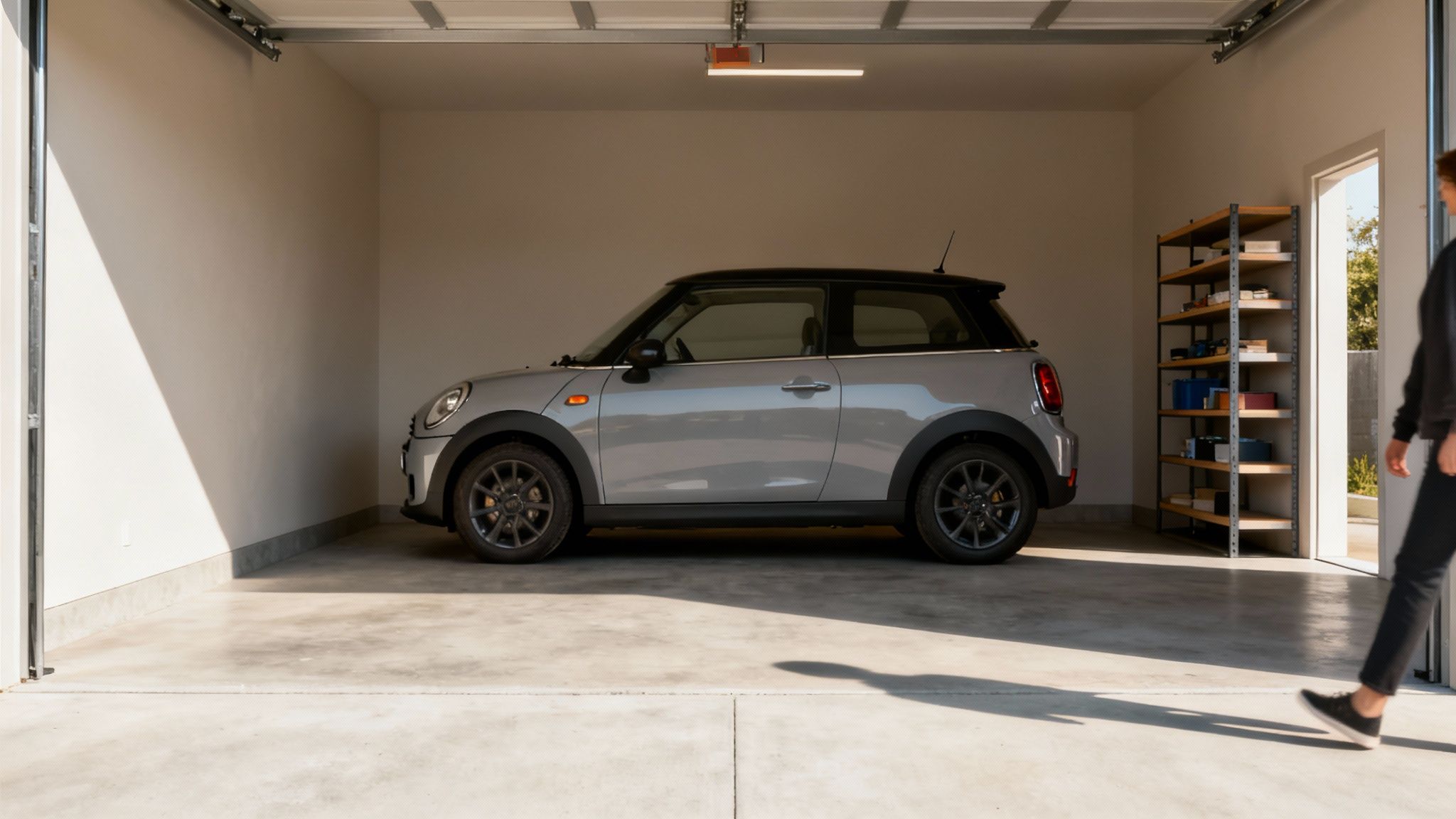
A single garage should be an asset, not a daily tightrope walk. The real difference between a garage that just about ‘fits’ a car and one that’s genuinely practical boils down to smart planning – thinking beyond the absolute bare minimum dimensions.
It’s a common trap to focus only on whether the car will physically squeeze inside. A truly usable single garage size in the UK has to account for that crucial clearance space, letting you open doors, get to the boot, and walk around without breathing in.
And let's be honest, our cars have grown. Back in 1965, the top five models sold in the UK had an average width of just 1.5 metres. Fast forward to today, and popular cars now average around 1.8 metres wide – that's a 20%+ increase.
Comfortable Dimensions vs The Bare Minimum
A 'comfortable' single garage is one that anticipates your real-life needs. Think about lugging in the weekly shop, wrestling a toddler out of a car seat, or just doing some basic maintenance. A garage built to bare-minimum specs turns these simple jobs into a frustrating battle.
To get it right, you need to factor in 'clearance zones' around your car. These are the invisible buffers that transform a cramped box into a space you can actually use.
A good starting point for a comfortable setup involves leaving at least 1 meter of clearance on the driver's side to allow the door to open fully. For the passenger side, 0.8 metres is often sufficient, though aiming for another meter is ideal. You should also leave at least 0.8 metres at the front and rear to walk past the car and comfortably open the boot.
The Impact of Modern Car Sizes
Of course, the type of car you drive completely changes the game. A nippy Fiat 500 needs a lot less room than a modern SUV or a bulky electric vehicle. This 'size creep' in family cars is exactly why so many older single garages now feel impossibly tight.
Don't forget the garage door, either. A standard single garage door width is often around 2.1 metres. While that sounds okay on paper, it leaves precious little room for error when you're guiding a wider, modern car in, especially if you're not approaching perfectly straight.
A wider garage door – maybe 2.4 metres – can make a massive difference to your daily routine. It takes the stress out of parking and cuts the risk of scraping your wing mirrors down to almost zero.
The only way to be certain is to start with your own car's exact measurements. The AutoProv platform is brilliant for this, as our data services can provide the precise vehicle dimensions you need to design a custom-fit garage plan. This way, you know your new space will be perfectly functional from day one. And while you're at it, have a look at our guide on essential car maintenance tips for UK drivers to keep your vehicle in great shape.
Designing Double and Triple Garages
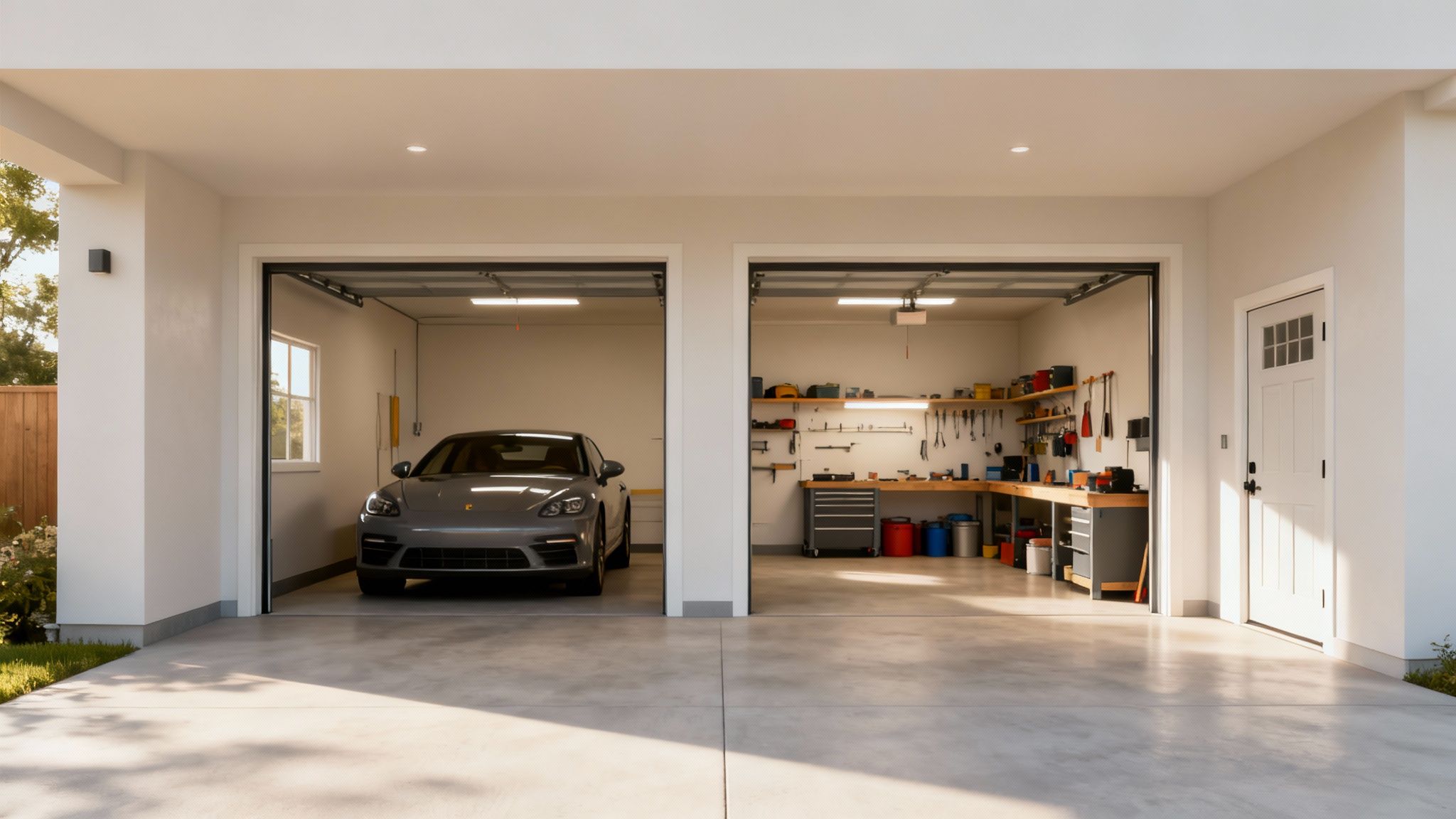
For households with more than one car, or for anyone who just wants a bit more breathing room, stepping up to a double or triple garage completely changes the game. It opens up a whole new world of possibilities.
In the UK, a typical double garage usually starts around a 6 meter by 6 meter footprint. But it's the design choices you make within that space that really dictate how well it works for you day-to-day.
One of the very first decisions you’ll face is the garage door. Should you go for one massive door that spans the entire width, or two separate, individual doors? Each option has its own clear pros and cons, and the right choice really depends on what you need.
Comparing Double Garage Layouts
A single, wide garage door gives you incredible flexibility. It’s perfect if you've got two cars of different sizes, as you won't have to worry about navigating around a central pillar. This wide-open layout is also a brilliant choice if you’re planning to use the space as a large, uninterrupted workshop or home gym.
On the flip side, having two separate doors can be better for insulation and security, since you only need to open one bay at a time. This setup can also feel much more organised, creating a natural divide between parking spots or sectioning off a dedicated workshop area away from your main car.
The choice between one big door or two single ones often comes down to this: are you prioritising easy parking or creating distinct, separate zones? Think about how you’ll actually use the garage most often before you lock in a layout.
The Ultimate Flexibility of Triple Garages
For serious car enthusiasts, growing families, or even small businesses, the triple garage is the ultimate setup. These much larger structures are more than just a place to park; they’re a proper extension of your home or business premises.
If you are managing several vehicles professionally, getting the basics right is crucial. Our guide to essential fleet management practices offers some great insights into keeping a vehicle collection organised and in top shape, a service AutoProv supports with comprehensive vehicle data.
The sheer scale of a triple garage gives you the freedom to create dedicated zones without having to make any compromises. You could easily park two cars and still have an entire bay left over for a fully kitted-out workshop, a home gym, or a massive storage system for bikes, tools, and all your outdoor gear.
This level of versatility turns a garage from a purely functional box into a multi-purpose hub built around your lifestyle.
Creating a Modern Multi-Functional Garage
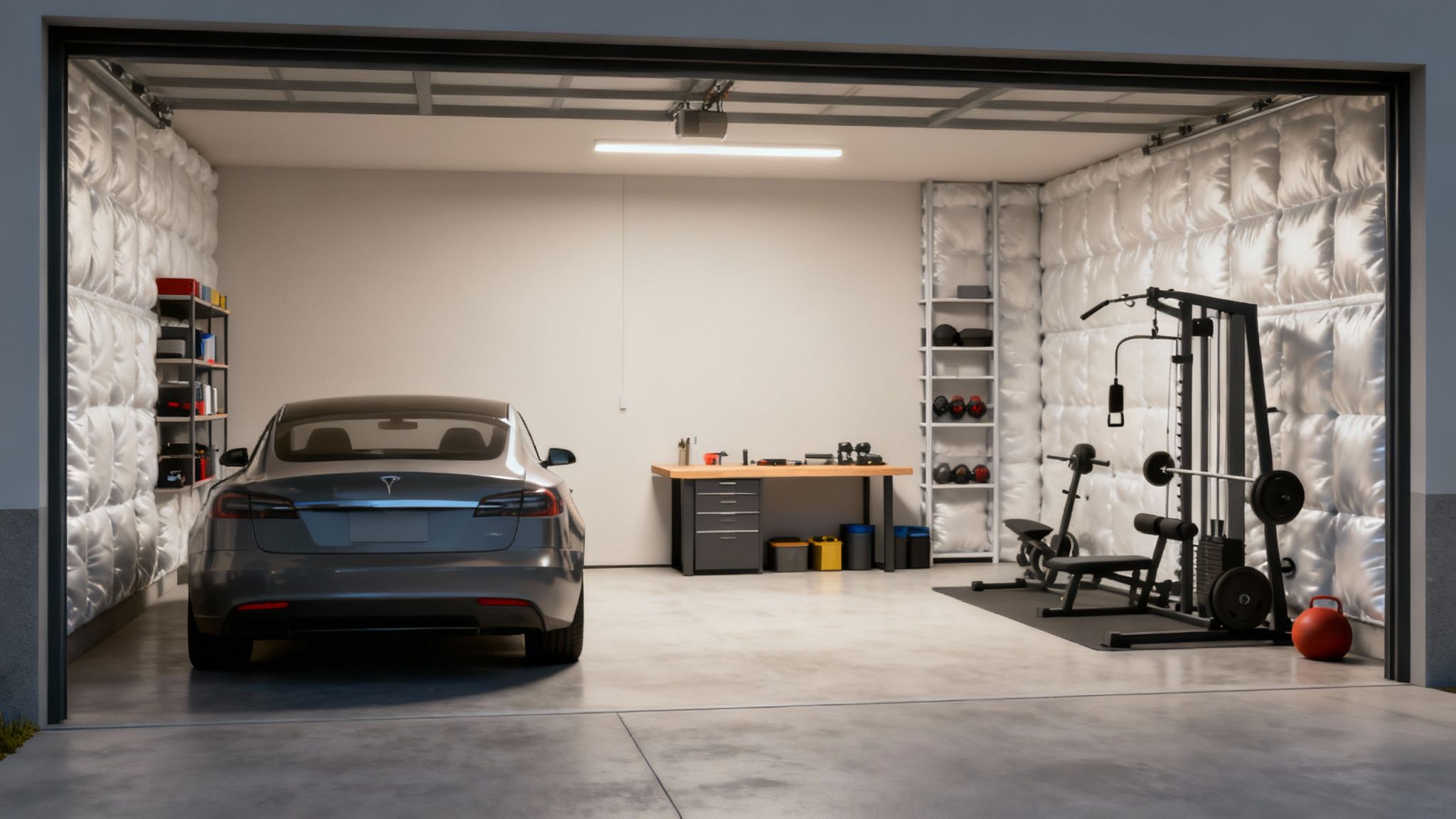
Let's be honest, the garage is rarely just a place to park the car anymore. For most UK homeowners, it’s a goldmine of flexible space just waiting to be tapped. Smart planning is the secret to turning it into a versatile room that can house your vehicle alongside a home workshop, a gym, or a perfectly organised storage hub.
This move towards multi-functionality isn't just a fleeting trend. It's a smart response to our changing lifestyles and the very real need to make the most of every square meter of our homes. The aim is no longer simply to fit a car inside, but to create a space that genuinely adds value to your property and your day-to-day life.
Planning for More Than Just Parking
A great multi-use space starts with a clear vision. If a home workshop is what you're after, you need to zone it properly. Think about dedicating one end of the garage to your projects, leaving plenty of room for a sturdy workbench and tool storage without getting in the way of the car. This usually means adding at least an extra 1.5 to 2 metres to the length of a standard garage design.
For those dreaming of a home gym or a clutter-free storage zone, your best friend is vertical space. Think floor-to-ceiling shelving, wall-mounted racks, and clever overhead storage systems. These keep the floor clear and ensure you still have a safe, usable parking spot.
A successful multi-functional garage isn’t about cramming more things in; it’s about designing intelligent zones. Each area—parking, storage, and activity—should have its own clearly defined footprint from the very beginning of the planning process.
This strategic approach is fueling some serious growth in the UK’s garage organisation market. It was valued at a huge USD 2.04 billion in 2022 and is expected to climb to USD 3.51 billion by 2030. It’s clear homeowners are investing big in turning these forgotten spaces into properly functional rooms, a trend you can read more about in this market outlook on garage organisation.
Integrating the Essentials for Comfort and Use
To take your garage from a cold, basic box to a comfortable, usable room, you have to think about utilities from day one. Getting these elements integrated during the initial build is far easier and cheaper than trying to retrofit them later on.
Important considerations include Electricity, for which you should install plenty of sockets for tools, equipment, and EV charging. Good Lighting, such as a mix of overhead LEDs and task lighting, is a must for safety. Finally, Insulation in the walls, ceiling, and door will make the space comfortable all year round. To see how electric vehicle technology is evolving, check out our article on the latest innovations in UK automotive technology.
By carefully planning the garage size, layout, and utilities, you create a space that doesn't just meet your needs today but also adds lasting value to your property. With data services from AutoProv, you can be sure your design starts with the most accurate vehicle information, building a solid foundation for the perfect multi-functional garage.
Getting to Grips with UK Planning and Building Rules
Building a new garage isn't just about bricks and mortar; it's a legal maze too. Before you even think about laying a foundation, you need to understand the UK's regulations. It might sound like a headache, but getting your head around the basics now can save you a world of time, money, and stress later on.
The two big hurdles you'll constantly hear about are Planning Permission and Building Regulations. They are not the same thing, and it's crucial to know the difference. Think of Planning Permission as getting the green light for the idea of your garage—its size, how it looks, and where it sits on your property. Building Regulations, on the other hand, are all about the quality of the build, making sure it's structurally sound, safe, and up to modern standards.
The good news? You might be able to sidestep the full planning permission process entirely. Many garage projects fall under something called 'Permitted Development' rights.
So, What Are Permitted Development Rights?
Permitted Development is a genuine game-changer for homeowners. It’s essentially a pre-approved permission slip from the government that lets you carry out certain types of building work without submitting a formal planning application, as long as your project sticks to some very strict rules.
For a detached garage, these rules are quite specific. Getting them wrong is not an option—it could lead to a council enforcement notice demanding you tear the whole thing down. So, paying attention to the details is vital.
Key restrictions for a garage to fall under Permitted Development include it being a single-story building with a maximum eaves height (where the wall meets the roof) of no more than 2.5 metres. The total height cannot top 4 metres for a dual-pitched roof or 3 metres for other roof types. Crucially, if the garage is within 2 metres of your property boundary, the overall height is capped at a strict 2.5 metres.
A common tripwire for homeowners is overlooking that 2.5-metre height limit when building near a boundary. This one rule often dictates the final garage size and roof design for many UK homes, particularly those with smaller gardens.
Special Cases and Playing It Safe
Things can get a bit more complicated if your home is a listed building, sits in a Conservation Area, or is in an Area of Outstanding Natural Beauty. In these spots, Permitted Development rights are often heavily restricted or removed entirely, meaning you'll almost certainly need to apply for full planning permission.
Navigating these rules is where precise, careful planning really pays off. You need to design a garage that does what you need it to do while staying on the right side of the law.
For a deeper dive into the legal landscape, it’s also useful to get familiar with the broader rules that govern vehicles on UK roads. You can learn more by understanding UK automotive regulations in our detailed guide, which provides context on the very vehicles you're building a garage for. No matter what, always check in with your local council's planning department before starting any work. They have the final say and can confirm the specific rules for your area.
Your UK Garage Size Questions Answered
Even with the best plans laid out, a few last-minute questions always seem to surface when you're finalising a garage design. Getting clear, practical answers is the key to moving forward with real confidence. This section tackles some of the most common queries we hear about garage size in the UK, offering straightforward advice to help you lock in those final decisions.
Think of this as a final sanity check before you break ground, making sure every little detail is buttoned up.
What Is a Good Minimum Size for a New Single Garage?
While there’s no official legal minimum, if you're building a new garage today and want it to be genuinely useful, you should aim for internal dimensions of at least 3.6 metres wide by 6.5 metres long. This gives you enough space to park a typical modern family car without feeling like you're squeezing into a shoebox.
With these dimensions, you can actually open the car doors fully without worrying about dinging them against the walls—a classic frustration with older, narrower garages. It also leaves just enough room to walk around the vehicle comfortably, which makes a huge difference in day-to-day use.
You could build a garage measuring 3 metres by 6 metres, but with today's larger cars like SUVs, it would feel incredibly cramped and leave almost no space for storage or a small workbench.
Do I Need Planning Permission for a Detached Garage?
Often, the answer is no. A detached garage can fall under 'Permitted Development' rights in the UK, which is a huge bonus as it means you can skip the full planning application process. However, this isn't a free-for-all; it comes with a strict set of rules that you absolutely must follow.
For starters, the garage has to be single-story with a maximum eaves height of 2.5 metres. The total height can't exceed 4 metres if it has a pitched roof. But here's the crucial one to watch: if the building is within 2 metres of a boundary fence or wall, the entire structure is capped at a maximum height of 2.5 metres.
It's always a good idea to have a quick chat with your local council before starting, as rules can have local variations.
How Much Space Should I Leave Around My Car?
The empty space you plan for is just as important as the overall garage size UK standards. For comfortable daily use, aim for at least 1 meter of clearance on both the driver and passenger sides. This generous buffer lets you swing doors wide open, preventing scrapes and making it easy to get kids or shopping in and out.
At the back of the car, a gap of around 0.8 metres is perfect for opening the boot and walking past without having to shuffle sideways. It's a good idea to leave a similar 0.8-metre space at the front to create a clear walkway.
Factoring these clearance zones into your plans from the start will make your garage a joy to use, not a daily obstacle course. When you combine a smart layout with precise vehicle data from a service like AutoProv, you can be confident you’re building a space that truly works.
What Is the Main Difference Between One Double Garage and Two Singles?
This choice really boils down to flexibility versus separation. A standard double garage is typically one large open space, maybe 6 metres by 6 metres, with a single, wide garage door. This layout is incredibly adaptable, letting you park different-sized cars easily or create a big, uninterrupted workshop area.
On the other hand, two adjoined single garages create two distinct, enclosed bays, each with its own door and usually separated by an internal wall. This setup can offer better security and makes it easier to insulate and heat one bay as a workshop while keeping the other purely for parking. The trade-off is that it's far less flexible for open-plan projects or parking an unusually wide vehicle.
Frequently Asked Questions
AI-Generated Content Notice
This article was created with the assistance of artificial intelligence technology. While we strive for accuracy, the information provided should be considered for general informational purposes only and should not be relied upon as professional automotive, legal, or financial advice. We recommend verifying any information with qualified professionals or official sources before making important decisions. AutoProv accepts no liability for any consequences resulting from the use of this information.
From our AI insights
- Navigating ULEZ Compliance for Used Car Dealers
A deep dive into ensuring your used car stock meets ULEZ standards, avoiding costly fines.
- Understanding Days-to-Sell: Improve Dealer Stock Turn
Learn how to calculate and optimise days-to-sell for better dealership profitability.
- Leveraging VIN Data for Vehicle Option Verification
Discover how UK motor traders use VIN data to authenticate vehicle options and avoid mis-described purchases.
Related Articles

Car Specs by Reg: Instantly Find Vehicle Details & MOT History
Trying to find the full car specs by reg? In the UK, that little number plate is the key to unlocking a huge amount of information about a vehicle. From the exact engine size and CO2 emissions to its MOT history and tax status, it's all tied to the registration.

How to Check Previous Owners of a Car in the UK
Before you even start thinking about how to check the previous owners of a car, you need to get your head around why it's so important. This isn't just about being nosy; it’s a non-negotiable step that protects you from serious financial headaches and safety risks lurking under a shiny bonnet.

How to Check Service History in the UK
Think of a car's service history as its detailed CV, not just some dusty folder in the glovebox. To check service history is to get the real story behind a vehicle, digging into everything from its routine oil changes to any major surgery it's had. For any savvy car buyer in the UK, this record is the single most important document you can get your hands on.
Published by AutoProv
Your trusted source for vehicle intelligence
