

Explore the complexities of automotive regulations in the UK, covering DVLA, FCA, MOT, and more.
The automotive industry in the UK is governed by a complex framework of laws and regulations designed to ensure safety, environmental protection, and fair trading practices. Understanding these regulations is crucial for automotive professionals and informed consumers alike.
The Role of the DVLA
The Driver and Vehicle Licensing Agency (DVLA) plays a key role in maintaining road safety and ensuring that all vehicles on UK roads are properly registered and insured. The DVLA manages the registration of vehicles and the issuance of driving licenses, making it an essential part of the automotive regulatory landscape.
Vehicle Registration
In the UK, all vehicles must be registered with the DVLA. The registration process involves submitting details about the vehicle, including its make, model, and VIN (Vehicle Identification Number). Additionally, the owner must provide proof of insurance and pay the necessary fees.
Driving Licenses
To drive legally in the UK, individuals must possess a valid driving license issued by the DVLA. There are different types of licenses, including provisional and full licenses, each with its own set of requirements and restrictions.
Understanding the FCA
The Financial Conduct Authority (FCA) regulates the financial side of the automotive industry. This includes the financing of vehicles, insurance products, and the conduct of dealerships in their financial dealings with customers.
Consumer Protection
The FCA is responsible for ensuring that consumers are treated fairly when purchasing vehicles or financing options. This includes transparency in advertising, clear terms for loans, and responsible lending practices.
Insurance Regulations
Car insurance is mandatory in the UK, and the FCA oversees the insurance industry to ensure that policies are fair and provide adequate coverage for consumers. This includes regulations on how insurers must handle claims and communicate with policyholders.
The MOT Test
The Ministry of Transport (MOT) test is a crucial regulatory measure designed to ensure that vehicles meet safety and environmental standards. All vehicles over three years old must undergo an annual MOT test to remain roadworthy.
MOT Requirements
During an MOT test, a variety of components are inspected, including brakes, lights, tires, and emissions. Failure to pass the MOT can result in fines and the inability to legally drive the vehicle.
MOT Exemptions
Some vehicles may be exempt from the MOT test, including those that are over 40 years old and have not been significantly modified. However, it’s essential to check the specific criteria to ascertain if a vehicle is exempt.
Taxation in the Automotive Sector
Taxation is a critical aspect of the automotive industry in the UK. Vehicle Excise Duty (VED), commonly known as road tax, is a tax that must be paid on most vehicles used on public roads.
Vehicle Excise Duty (VED)
VED is determined by a vehicle's CO2 emissions, and the government has implemented a 'pay-as-you-go' system to encourage the use of more environmentally friendly vehicles. It’s important for vehicle owners to understand their tax obligations to avoid penalties.
Dealer Practices and Compliance
Automobile dealers must adhere to a set of regulations designed to protect consumers and ensure fair trading. This includes compliance with the Consumer Rights Act and the Sale of Goods Act, which dictate that vehicles must be of satisfactory quality and fit for purpose.
Advertising Standards
All advertising for vehicles must comply with the Advertising Standards Authority (ASA) regulations, ensuring that advertisements are not misleading and provide accurate information about the vehicles being sold.
After-Sales Obligations
Dealers also have obligations after the sale, including providing warranties and ensuring that the vehicles sold are free from defects. Understanding these obligations is crucial for both dealers and consumers.
Understanding the legal and regulatory framework governing the automotive industry in the UK is essential for both professionals and consumers. By familiarizing oneself with the roles of the DVLA, FCA, MOT, taxation, and dealer practices, stakeholders can navigate the complexities of the automotive landscape more effectively.
Frequently Asked Questions
AI-Generated Content Notice
This article was created with the assistance of artificial intelligence technology. While we strive for accuracy, the information provided should be considered for general informational purposes only and should not be relied upon as professional automotive, legal, or financial advice. We recommend verifying any information with qualified professionals or official sources before making important decisions. AutoProv accepts no liability for any consequences resulting from the use of this information.
From our AI insights
- Navigating CCR 2013: Niche Insights for UK Motor Traders
Explore niche insights on CCR 2013 for UK motor traders, focusing on compliance and cancellation rights.
- Decoding CRA 2015: Dealer's Guide to 30-Day Rejections
Explore CRA 2015's 30-day rejection rights from a dealer's perspective, highlighting key compliance strategies.
- Navigating DVLA Conviction Checks: Dealer Compliance
Understand DVLA conviction checks and lawful access for UK dealers.
Related Articles

Understanding the Consumer Rights Act 2015 in the UK Motor Trade
Explore the Consumer Rights Act 2015 and its impact on UK car buyers and sellers, offering essential protections and insights.
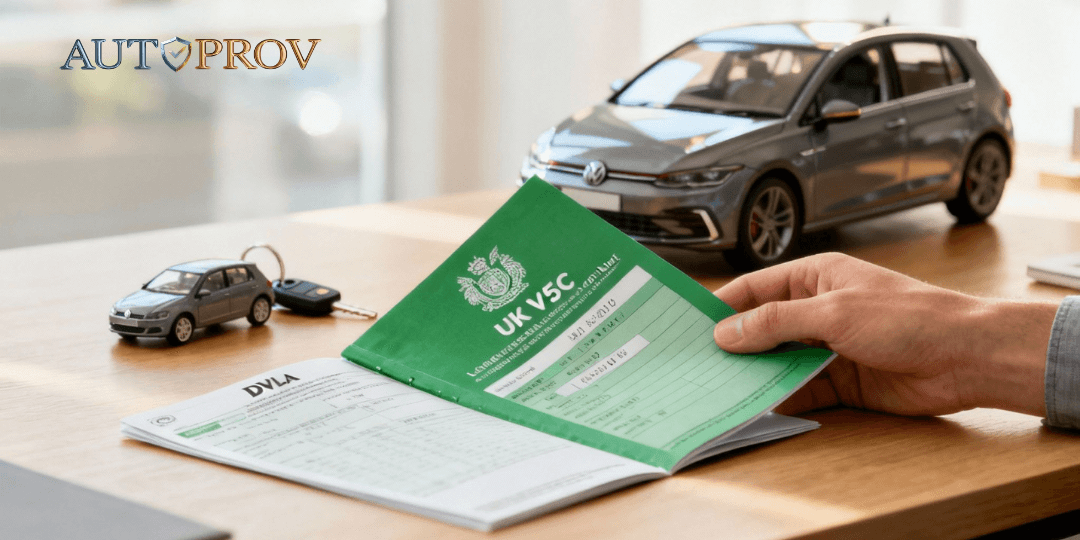
What is a V5C Document: A Quick UK Log Book Guide
If you've ever bought or sold a car in the UK, you've definitely come across the V5C. It's often just called the 'log book', and it’s the official Vehicle Registration Certificate issued by the DVLA.
Car Tax Guide for UK Motor Trades: Rates, SORN, and Compliance
Let's get straight to it. Vehicle Excise Duty (VED), or what everyone just calls car tax, isn't a tax on driving – it's a tax on owning a vehicle. For anyone in the motor trade, getting this wrong isn't just a bit of bad luck; it's a direct hit to your bottom line and your legal standing. Mastering the ins and outs of VED is non-negotiable.
Published by AutoProv
Your trusted source for vehicle intelligence
