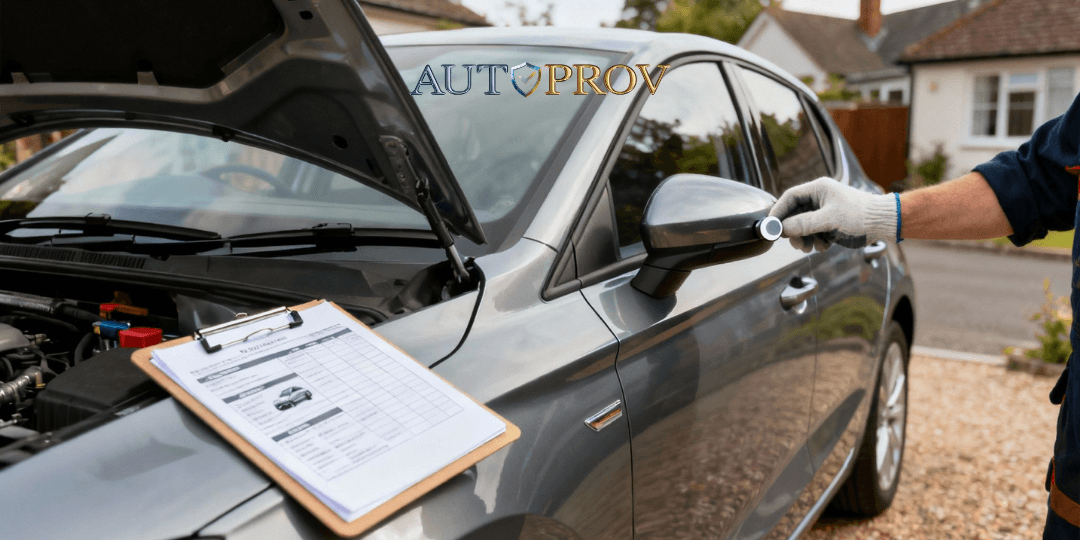
So, can you really tell if a car's been in a crash? Absolutely. You just need to know what you're looking for. Telltale signs like dodgy paintwork, panels that don't quite line up, or a vehicle history report flagging a 'Category S' or 'Category N' status are dead giveaways. This guide will walk you through exactly how to spot them.
So, can you really tell if a car's been in a crash? Absolutely. You just need to know what you're looking for.
Telltale signs like dodgy paintwork, panels that don't quite line up, or a vehicle history report flagging a 'Category S' or 'Category N' status are dead giveaways. This guide will walk you through exactly how to spot them.
Uncovering a Used Car's True History
We’ve all been there—that nagging feeling when you’re looking at a used car, wondering if the seller is telling you the whole story. This guide is here to replace that uncertainty with confidence, giving you a proper method for investigating a car’s past.
Learning how to check for accident damage is more than just about getting a good deal. It's a fundamental part of keeping yourself safe on the road.
Why Even "Repaired" Cars Can Be a Risk
A car can look pristine after a professional repair, but what lies beneath the surface? Major structural damage, even when fixed, can permanently weaken a car's frame. If you're unlucky enough to have another accident, those compromised areas might not protect you the way they were designed to. It's a serious risk.
And this isn't a rare problem. The latest Department for Transport stats showed around 104,258 reported road collisions in Great Britain, with car occupants accounting for 43% of all fatalities. These figures are a stark reminder that any used car could have a story to tell. You can dig into the full road safety statistics on RAC.co.uk.
Spotting Minor Fixes vs. Major Flaws
This isn't about generic advice. We're going to get into the nitty-gritty of what you'll actually see when you're kicking the tyres. We’ll give you the tools to know the difference between a minor cosmetic touch-up—like a resprayed bumper—and the signs of a serious structural repair.
The goal isn't just to find evidence of a repair; it's to understand what it means for the car's safety and value. A scuff on the bumper is one thing. A bent chassis rail is a completely different story—and an instant deal-breaker.
Once you know what to look for, you can ask the right questions and make a truly informed choice. You’ll be able to buy a car that's not just a good investment, but more importantly, one that's safe for you and your family.
Using Official Records to Check a Car's History
While getting your hands dirty with a physical inspection is a must, your real detective work should always start with the paper trail. This is where you dig into the car’s documented life on UK roads, straight from the official databases.
Comprehensive vehicle history checks, like an provenance check or an RAC Car Passport, are your best friends here. They do the heavy lifting for you, pulling together information from all the right places to build a complete picture of the car’s past.
What a Full Vehicle History Check Reveals
Think of these reports as a deep-dive background check on a car. They tap into records from insurance companies, finance houses, and even the police to answer that one crucial question: "has this car been crashed?"
The whole system for checking a car's history in the UK hinges on this combined police and insurance data. For instance, the government gathers detailed info on road traffic collisions from police reports, which can flag if a car was involved in a recorded incident. You can get a better sense of the data behind these checks and the leading causes of accidents over at NimbleFins.
A proper paid check will usually tell you about:
- Insurance Write-Off Status: It flags if the car has ever been declared a write-off and, most importantly, which category it was given.
- Outstanding Finance: This is a big one. It reveals if there's a loan secured against the car, which could mean it gets repossessed from you, even after you've paid for it.
- Recorded Mileage: It cross-references the current mileage with historical records from MOTs and services to spot signs of "clocking" or tampering.
- Stolen Vehicle Register: A quick check to confirm the car isn't listed as stolen on the Police National Computer (PNC).
Decoding Insurance Write-Off Categories
You need to know the lingo. When a car is damaged, an insurer weighs up the repair cost against the car's market value. If it's not worth fixing, they "write it off" and assign it a category.
- Category S (Structural): This is a serious red flag. It means the car suffered damage to its chassis or structural frame. It can be professionally repaired and put back on the road, but its core integrity might have been compromised.
- Category N (Non-structural): This suggests damage that doesn't affect the car's structural frame—think cosmetic issues, electrical problems, or damaged panels. It's less severe than Cat S, but you still need to know precisely what happened and how well it was put right.
- Categories A and B: You'll never see these for sale. Category A cars have to be crushed completely. Category B cars can have some salvageable parts removed, but the bodyshell must be destroyed.
A "Cat S" or "Cat N" marker isn't an automatic deal-breaker, but it means you have to do your homework. Insist on seeing detailed evidence of the repairs—invoices, photos, the lot—and never, ever buy one without getting an independent professional inspection first.
Using Free Tools for Initial Clues
Before you part with any cash, you can do some free sleuthing. The GOV.UK MOT history checker is the perfect place to start. Just pop in the car's registration number, and you'll get its entire MOT history.
This brilliant free tool shows every pass and fail, the mileage recorded at each test, and any advisories or reasons for failure. You're looking for patterns here. For example, a car that repeatedly fails its MOT for a suspension part on just one side might be hiding damage from an old collision. It's all about building a picture before you even lay eyes on the car.
Your Hands-On Physical Inspection Checklist
An official history report tells you what should be true about a car, but a proper physical check reveals what is true. This is where you put down the paperwork and become a detective, using your own eyes and hands to uncover the real story hidden in the metal and paint.
This isn't about just kicking the tyres. We’re talking about a methodical walk-around that can reveal everything from a minor cosmetic touch-up to a major structural repair that the seller conveniently forgot to mention. A car can lose 10% to 30% of its value after an accident, so spotting the signs protects your wallet just as much as your safety.
Follow along as we go through the key areas—the exterior, under the bonnet, and inside the cabin—to spot the tell-tale signs of a past collision.
Examining the Car's Exterior
Always start by walking around the car in good, bright daylight. Stand back a few feet and look at it from different angles. Does the colour look perfectly consistent across all panels? A door or wing that’s a slightly different shade, especially when the light hits it, is a classic giveaway of a respray.
Once you’ve had a good look from a distance, it’s time to get up close.
- Panel Gaps: Look at the spaces between the panels—where the bonnet meets the wings or the doors meet the body. On a factory-fresh car, these gaps should be tight and perfectly even all the way around. Wide, uneven, or inconsistent gaps are a huge red flag that panels have been replaced or poorly refitted after an impact.
- Paint and Texture: Gently run your hand along the panels. Factory paint is flawless and smooth. If you feel a rough, gritty texture, particularly on the edges of panels or near trim, that’s likely overspray from a shoddy paint job. Also, look for tiny bubbles or an "orange peel" texture in the paint’s finish, another clear indicator of non-factory work.
- The Magnet Test: This is an old-school trick, but it’s brilliant for finding hidden body filler (often called Bondo), which is used to smooth over dents. Take a small, weak magnet—a fridge magnet is perfect—and place it on various parts of a steel panel. It should stick with consistent force. If you find a spot where it doesn't stick or the pull feels weak, there's a good chance it's hiding a thick layer of filler underneath.
A professional repair can be tough to spot, but a rushed or cheap job leaves clues everywhere. Look for paint overspray on window seals, plastic trim, and even inside the wheel arches. These are dead giveaways of a repairer who cut corners to save time and money.
Looking Under the Bonnet
Now it's time to pop the bonnet and see what’s going on underneath. This area can tell you a lot about a front-end collision, which is one of the most common types of accidents. Don't worry if you're not a mechanic; you're just looking for simple visual clues.
Pay close attention to the bolts that hold the wings and front panel in place. From the factory, these are almost always painted the same colour as the car's body. If you see bolts with chipped paint, tool marks, or unpainted replacements, it’s a clear sign that those panels have been taken off or replaced.
Next, look at the main chassis rails—the two large metal beams running from the front of the car towards the cabin. They should be perfectly straight and symmetrical. Any signs of crinkling, bending, or fresh welding are immediate deal-breakers, as this indicates a significant structural impact.
Checking Inside the Cabin
The interior can hold subtle but critical clues. It's an area many people overlook, but these details can be the final piece of the puzzle when you're trying to work out if a car has been in a crash.
First, check every single seatbelt. Pull each one all the way out until it stops and look at the manufacturing tags sewn into the fabric. The dates on these tags should all match and be slightly earlier than the car’s registration date. A mismatched tag is a strong hint that the seatbelt was replaced, which often happens after it's been triggered in an accident.
Next, turn the ignition on but don't start the engine. All the warning lights on the dashboard should light up for a few seconds and then go out. Keep a close eye on the airbag light (it usually shows an icon of a person with a circle). If this light doesn’t come on at all, flashes, or stays lit, it signals a fault in the system. That’s a very worrying sign that the airbags may have deployed and not been replaced correctly.
How to Interpret Signs of Accident Damage
Spotting a potential sign of a past crash is one thing. Knowing what it actually means is the real skill. This is where you learn to tell the difference between a minor cosmetic touch-up and a major, safety-compromising repair. Getting this right is crucial.
A small scuff on a bumper is rarely a big deal. But finding evidence of structural work? That’s another story entirely. Learning to read these signs will save you from buying a car that’s either unsafe or a ticking time bomb of expensive bills.
Differentiating Good Repairs from Bad Ones
Not all accident repairs are equal. A top-notch, professional job can be almost invisible and won’t compromise the car's integrity. A cheap, rushed fix, on the other hand, leaves behind obvious clues that should set alarm bells ringing.
You need to look for the subtle imperfections. Wavy or rippled body panels are a classic sign. They often mean a dent was pulled out and slapped with body filler instead of the panel being properly replaced.
Mismatched paint is another dead giveaway. A budget respray might look okay in the shade, but get it into bright sunlight and you'll often see a slight difference in colour or metallic flake from one panel to the next. It’s a tell-tale sign of a corner-cutting job.
Identifying Major Structural Red Flags
Cosmetic flaws are annoying, but structural damage is the real deal-breaker. This is the kind of damage that can seriously affect how the car protects you in another crash. You have to be ruthless when looking for it.
Pop the bonnet and grab a torch. Look for uneven, messy welds along the chassis rails or inner wings. Factory welds are neat and uniform. Anything that looks lumpy, scorched, or just plain messy is a huge red flag for a post-accident repair. A bent or crinkled chassis rail, no matter how small, means you walk away. Simple as that.
A car's structural integrity is non-negotiable. Even if a vehicle has been repaired after a serious incident, its crash performance may be permanently affected. It's a risk that is simply not worth taking.
Sadly, with the sheer number of accidents on UK roads, many used cars have seen some damage. Drink-driving continues to be a major cause, with data showing collisions peaking in June and July. With an estimated 4,620 drink-driving collisions nationally, a huge number of cars on the market could have been involved. This is precisely why these checks are so vital. You can dig deeper into these UK driving statistics and trends at Hire 2 You.
Connecting Physical Clues to Mechanical Problems
The evidence of a crash isn't just skin deep; it often shows up as persistent mechanical gremlins. The test drive is your chance to connect the dots between the physical clues you've found and how the car actually behaves on the road.
If you suspect a previous front-end shunt, pay very close attention to the steering. Does the car pull to one side on a straight, flat road? It could just need the tracking done, but it can also be a symptom of a poorly repaired impact that’s left the chassis slightly twisted.
Likewise, listen for strange noises. Creaks or rattles coming from one corner of the car could point to damaged suspension components that were never replaced properly. These aren't just minor irritations; they're clues to the car's hidden and potentially costly history.
Knowing When to Get a Professional Opinion
You’ve sifted through the paperwork and given the car a thorough once-over. By now, you should have a much better feel for its history. This is the crunch point—time to decide whether to move forward or walk away.
Some discoveries are instant deal-breakers. Any sign of chassis damage, like bent or shoddily welded frame rails, is a massive red flag. This means the car's fundamental safety structure has been compromised. The same goes for an evasive seller who can't produce paperwork for major repairs. If your gut is screaming that something’s not right, you need to listen to it.
The Value of a Pre-Purchase Inspection
But hang on—not every repair means you should run for the hills. A car with a fully documented, top-notch repair for something non-structural (like a Category N write-off) could still be a solid, reliable motor. Better yet, it might come with a more attractive price tag. The trick is knowing the real story.
This is exactly where a professional pre-purchase inspection (PPI) proves its worth. If your own checks have left you with even a shadow of a doubt, a PPI is the definitive way to settle it. It takes you from nagging suspicion to absolute certainty.
A professional PPI isn't just a second opinion; it's an expert verdict. For around £100-£200, a qualified mechanic can give you the kind of peace of mind that could save you thousands in hidden repairs. More importantly, it can stop you from buying a dangerously unsafe car.
What a Professional Mechanic Looks For
A mechanic doing a PPI goes way beyond what you can see in a driveway. They've got the tools, the lift, and the trained eye to spot things most of us would miss completely.
Here’s a glimpse of what they’ll do:
- Get it on a hydraulic lift: This is the only way to properly inspect the undercarriage, suspension, and chassis for subtle damage or corrosion that’s invisible from ground level.
- Plug in a diagnostic scanner: They’ll pull any error codes from the car’s computer. These codes can reveal hidden electrical or engine faults that might be lingering after-effects of a collision.
- Measure the paint thickness: A special gauge detects tiny variations in paint depth across the bodywork. It’s a dead giveaway for filler and resprays, showing exactly where work has been done.
- Assess the quality of repairs: An expert can easily tell the difference between a factory weld and a repair job. They’ll evaluate whether the work was done to a professional, safe standard or if it was a cheap bodge.
In the end, a PPI provides a detailed, impartial report on the car's true condition. Armed with that knowledge, you can decide with confidence whether you've found a genuine bargain or wisely dodged a bullet.
Got Questions About Crash History? We’ve Got Answers
Even after doing your homework, a few questions always seem to pop up. Let's run through some of the most common ones that people ask when they're digging into a car's past.
Can a Car Pass an MOT If It Has Been in a Crash?
In a word, yes. This is a point that catches a lot of people out. The MOT is simply a snapshot of a car's roadworthiness on the day of the test; it's not a deep dive into its history or the quality of its bodywork.
A car can have terrible paintwork and obvious signs of filler but sail through an MOT if its core safety features—brakes, steering, lights, and so on—all meet the minimum legal standard. That’s why you can never, ever rely on a clean MOT certificate as proof that a car is accident-free. The test won't tell you if the chassis was once bent out of shape or if the airbags have been replaced, making your own history checks and physical inspection absolutely essential.
Do Dealers Have to Tell Me About a Crash?
Professional car dealers in the UK are bound by the Consumer Rights Act, and the law is very clear on this. They are legally required to be upfront about a vehicle's history if they know about it. Deliberately hiding something major, like the fact a car was a Category S write-off, is illegal.
But here's the crucial bit: the rules are completely different for private sellers. A private individual has no legal obligation to tell you anything about the car's past. This is why your own due diligence is so much more important when buying privately. In that situation, you are the only one looking out for your best interests.
When buying from a dealer, the law is on your side regarding accident disclosure. With a private seller, you're on your own. Always raise your level of scrutiny when buying privately and never take a seller's word for it without proof.
What’s the Difference Between Cat S and Cat N?
Getting your head around these insurance write-off categories is key. They quickly tell you what kind of damage a car has suffered.
- Category S (Structural): This is the one to be most wary of. It means the car took a hit to its fundamental structural frame or chassis. It can be repaired and put back on the road, but the fact its core safety structure was compromised is a permanent part of its history and must always be declared.
- Category N (Non-structural): This category is for cars where the damage was not structural. The insurer simply decided it wasn't worth the money to fix, often due to the high cost of cosmetic parts, expensive electronics, or steep labour charges.
While a Cat N car is often seen as a lower risk, any written-off vehicle needs a professional inspection before you part with your cash. For a Cat S car, it's non-negotiable. You need an expert to confirm the structural repairs were done properly and the car is genuinely safe to drive.
Frequently Asked Questions
AI-Generated Content Notice
This article was created with the assistance of artificial intelligence technology. While we strive for accuracy, the information provided should be considered for general informational purposes only and should not be relied upon as professional automotive, legal, or financial advice. We recommend verifying any information with qualified professionals or official sources before making important decisions. AutoProv accepts no liability for any consequences resulting from the use of this information.
From our AI insights
- UK Part-Exchange Checks: Protecting Dealer Margins
Explore essential part-exchange checks for UK dealers to safeguard profit margins, including provenance and finance verification.
- Why Every Keeper Matters: Insights for UK Car Traders
Understand the importance of checking previous keepers for UK motor trade compliance and risk management.
- Navigating UK Car Auctions: Dealer Insights
Master UK car auctions with these strategic dealer insights and avoid common pitfalls.
Related Articles

Your Ultimate Guide to Buying a Used Car in the UK
Navigate the UK used car market with confidence using our comprehensive buying guide. Tips, checks, and AutoProv Provenance insights included.

Difference Between MOT and Service: What You Need to Know
An MOT is a mandatory legal inspection that every car on UK roads needs to pass.Think of it as the government's way of ensuring your vehicle meets the absolute minimum safety and environmental standards to be considered roadworthy. A service, on the other hand, is a completely different beast. It's the proactive maintenance routine recommended by the people who built your car, designed to keep it running smoothly and catch problems before they start. In short, an MOT is a pass-or-fail exam required by law. A service is a comprehensive health plan for your car.
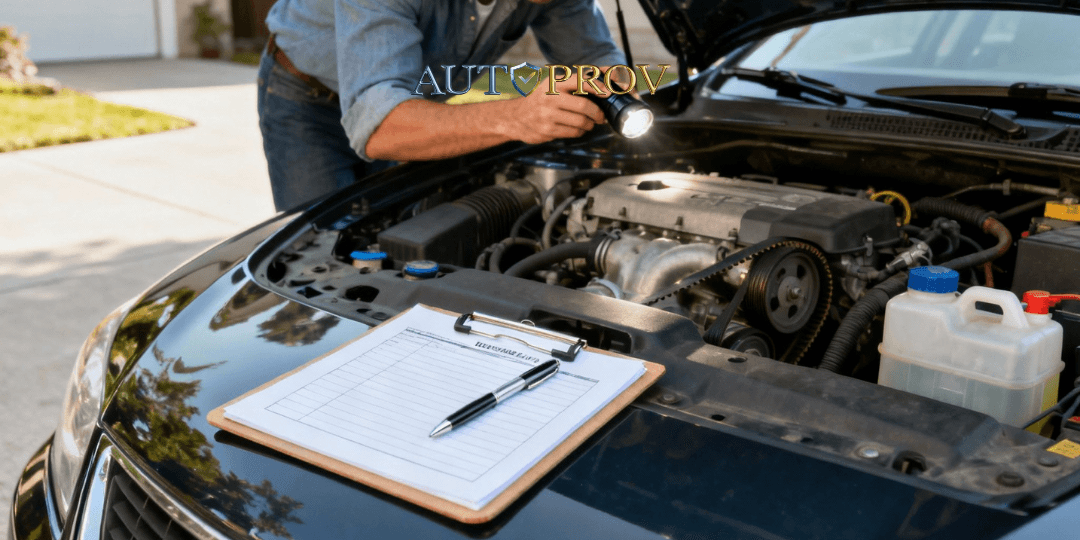
Your Ultimate Used Car Inspection Checklist
A solid used car inspection checklist is the single most powerful tool you have to avoid buying a lemon. It gives you a methodical way to look past the shiny paint and assess a car's real condition, helping you spot hidden problems and get a fair price before you shake hands on the deal.
Published by AutoProv
Your trusted source for vehicle intelligence