
Explore everything you need to know about MOT history, including its significance, how to check it, and what to look out for.
What is the MOT Test?
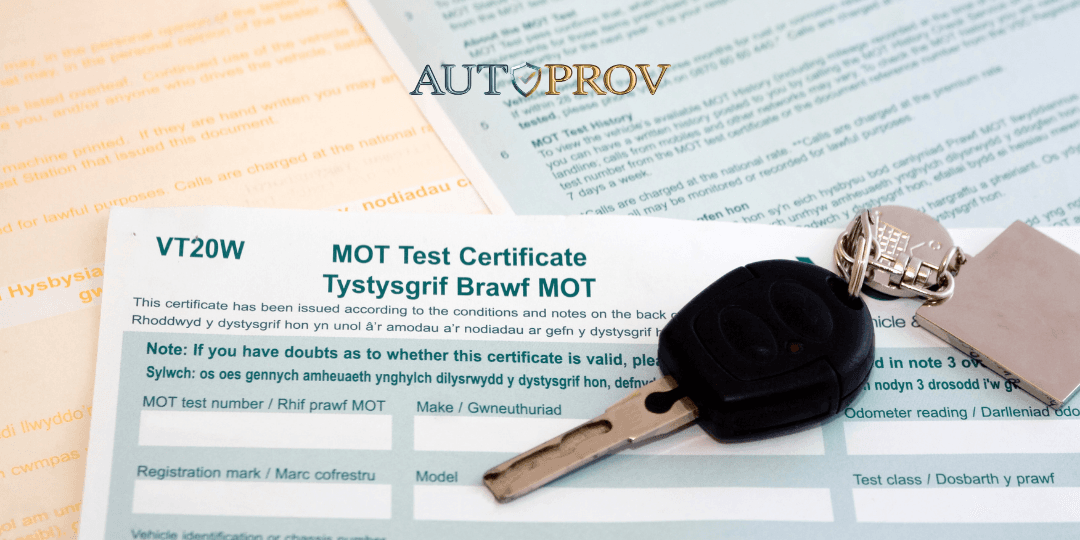
The MOT (Ministry of Transport) test is an annual assessment required for vehicles over three years old in the UK. Its primary aim is to ensure that vehicles meet road safety and environmental standards. Conducted by certified MOT test centres, this examination checks various elements including brakes, lights, emissions, and structural integrity.
Why is MOT History Important?
MOT history plays a crucial role for both current vehicle owners and potential buyers. Understanding a vehicle's past performance in MOT tests can provide insights into its condition, reliability, and any recurring issues.
For Vehicle Owners
As a vehicle owner, keeping track of your MOT history can help you stay on top of necessary repairs and maintenance. This information is often required when selling your vehicle or when seeking insurance quotes. It can also inform you whether your car has passed or failed previous tests, giving you a clearer picture of its overall health.
For Potential Buyers
If you're considering purchasing a used car, reviewing its MOT history is vital. A comprehensive MOT history report can reveal any previous failures and the reasons behind them. This can alert you to potential problems and save you from buying a vehicle that might require costly repairs shortly after purchase.
How to Check Your MOT History
Checking your MOT history is a straightforward process, thanks to the online services provided by the DVLA. Here's how you can do it:
Step-by-Step Guide
- Visit the official DVLA MOT history checker.
- Enter your vehicle registration number, the make of the car, and the previous MOT test postcode.
- Click on 'submit' to view the MOT history, including dates of tests, results, and any advisories.
MOT History Information Breakdown
When you access your MOT history, you will typically see the following information:
- MOT Test Dates: The dates when the tests were conducted.
- Status: Whether the vehicle passed or failed each test.
- Reasons for Failure: Specific issues that led to a failure, if applicable.
- Advisories: Recommendations for repairs or maintenance that were noted during the test.
Understanding Common MOT Failures
Many vehicles fail their MOT tests due to common issues. Familiarising yourself with these can help you prepare your vehicle for testing and improve its chances of passing:
1. Lights
Faulty lights, including headlamps, brake lights, and indicator lights, are among the most common reasons for failure. Ensure all lights are functional and clean before your test.
2. Tyres
Worn or incorrectly inflated tyres can result in an immediate fail. Check tread depth and pressure before your MOT appointment.
3. Brakes
Braking issues, including worn brake pads or low brake fluid levels, are critical safety concerns. Have your brakes inspected regularly.
The Role of the DVSA
The Driver and Vehicle Standards Agency (DVSA) is responsible for overseeing the MOT testing process in the UK. They ensure that test centres comply with regulations and maintain high standards. If you believe a test centre has failed to provide an accurate assessment, you can report them to the DVSA.
Staying Informed
It's essential to keep abreast of changes to MOT regulations and standards. This can help you maintain your vehicle effectively and ensure it remains roadworthy. You can find updates on the DVSA website and through automotive news outlets.
Understanding and keeping track of your MOT history is crucial for any vehicle owner. Whether you're maintaining your own car or considering a used car purchase, being informed can save you from potential pitfalls and ensure safer driving on UK roads.
Frequently Asked Questions
AI-Generated Content Notice
This article was created with the assistance of artificial intelligence technology. While we strive for accuracy, the information provided should be considered for general informational purposes only and should not be relied upon as professional automotive, legal, or financial advice. We recommend verifying any information with qualified professionals or official sources before making important decisions. AutoProv accepts no liability for any consequences resulting from the use of this information.
From our AI insights
- MOT History: Understanding Seasonal Trends
Explore how seasonal trends impact MOT history and what it means for vehicle checks in 2026.
- Predicting Mechanical Issues with MOT Patterns
Learn how to analyse MOT patterns to foresee potential mechanical issues and make informed buying decisions.
- Mastering MOT Data for Smart Stock Acquisitions
Unlock the potential of MOT data to make smarter stock decisions and reduce risks.
Related Articles
Understanding MOT History: A Key to Smart Used Car Purchases
Discover how MOT history can guide your used car buying decisions and ensure you make an informed choice.

How to View MOT History and Make Smarter Buying Decisions
For anyone in the UK motor trade, a vehicle's Ministry of Transport (MOT) history is much more than a simple pass or fail certificate. It's the car's diary, a detailed logbook of its life on the road. Glancing only at the latest MOT is a rookie mistake, and a costly one at that. To really get under the bonnet of a vehicle's past, you need to view MOT history in its entirety—it’s the only way to see the true timeline of maintenance versus neglect.

How to Check if a Car Has MOT: A UK Trade Guide
You’re usually not checking if a car has MOT out of curiosity. You’re checking because you’re about to bid, appraise, part-ex, or commit cash, and you need to know whether the vehicle is straightforward stock or the start of an avoidable problem.
Published by AutoProv
Your trusted source for vehicle intelligence