
Learn essential checks to ensure your used car purchase is safe and sound in the UK market.
The Essential Guide to Vehicle Checks Before Buying
Buying a used car can be a daunting task, especially with the myriad of options available in the UK market. It’s essential to conduct thorough vehicle checks to ensure you're making a sound investment. This guide outlines the critical checks you should perform before finalising your purchase.
1. Research the Vehicle's History
Before even seeing the car, it's crucial to research its history. Services like the DVLA (Driver and Vehicle Licensing Agency) provide information on the vehicle's previous ownership, MOT history, and whether it's been reported stolen. You can use a Vehicle Identification Number (VIN) to obtain this information.
1.1 Check the MOT Status
The MOT test ensures that vehicles meet road safety and environmental standards. Check the car’s MOT status online through the DVLA website. If the car has a history of failing MOTs, it may indicate underlying issues.
1.2 Vehicle Registration Document (V5C)
Ensure that the seller provides the V5C document. This document proves that the seller is the registered keeper of the vehicle. Verify that the details match the vehicle and the seller’s identification.
2. Conduct a Provenance Check
A provenance check is vital for uncovering any hidden issues with the vehicle. This check will reveal if the car has outstanding finance, has been written off, or has been stolen. Various online services provide provenance checks for a small fee.
3. Inspect the Vehicle Physically
Once you've researched the car's history, it's time to inspect the vehicle in person. Look for signs of damage, rust, or poor repair work. Pay attention to:
3.1 Exterior Condition
Check for dents, scratches, or rust. Look closely at the paintwork; mismatched paint can indicate previous repairs.
3.2 Interior Condition
Inspect the upholstery and dashboard for wear and tear. Ensure all electronic components are functional, including lights, windows, and air conditioning.
3.3 Tyres and Brakes
Check the condition of the tyres for tread depth and even wear. Inspect the brakes for responsiveness during a test drive.
4. Take a Test Drive
A test drive is essential to assess the vehicle's performance. Pay attention to how the car handles, brakes, and accelerates. Listen for any unusual noises that could indicate mechanical issues.
5. Verify Service History
A complete service history can indicate how well the car has been maintained. Look for records of regular oil changes, brake replacements, and other essential services.
5.1 Timing Belt Replacement
Check if the timing belt has been replaced as per the manufacturer's recommendations. A failing timing belt can lead to serious engine damage.
6. Understand the Financial Aspects
Before buying a used car, consider the associated costs:
6.1 Insurance Costs
Insurance premiums can vary significantly based on the vehicle's make and model. Use comparison websites to estimate insurance costs.
6.2 Road Tax
Be aware of the road tax applicable for the vehicle’s emissions. You can find this information on the DVLA website.
7. Consider Dealer Practices
If purchasing from a dealership, research their reputation. Look for customer reviews and check if they are registered with the FCA (Financial Conduct Authority) for added security.
8. Final Checks and Paperwork
Once you are satisfied with your checks, ensure all paperwork is in order:
8.1 Purchase Agreement
Get a written agreement detailing the terms of sale. This should include the price, any warranties, and the vehicle's condition.
8.2 Payment Method
Be cautious with payment methods. Avoid cash transactions and prefer secure methods that offer protection, such as bank transfers.
Buying a used car requires diligence and careful consideration. By following these essential vehicle checks, you can ensure your investment is safe and sound. Always trust your instincts and don’t hesitate to walk away if something doesn’t feel right.
Frequently Asked Questions
AI-Generated Content Notice
This article was created with the assistance of artificial intelligence technology. While we strive for accuracy, the information provided should be considered for general informational purposes only and should not be relied upon as professional automotive, legal, or financial advice. We recommend verifying any information with qualified professionals or official sources before making important decisions. AutoProv accepts no liability for any consequences resulting from the use of this information.
From our AI insights
- Navigating UK Grey Imports: A Trader's Guide
Understand the complexities and opportunities of UK grey imports for savvy motor traders.
- Navigating Private Plate Challenges in UK Vehicle Checks
Learn how private plates affect UK vehicle checks and how traders verify provenance and spot cloning risks.
- Navigating VIN Checks Post-Brexit: What UK Traders Need to Know
Discover how Brexit impacts VIN checks for UK traders and the crucial data to review.
Related Articles

Why a Provenance Check is Essential for Used Car Buyers
Ensure your used car is a smart investment by understanding the importance of a provenance check and how AutoProv can help.
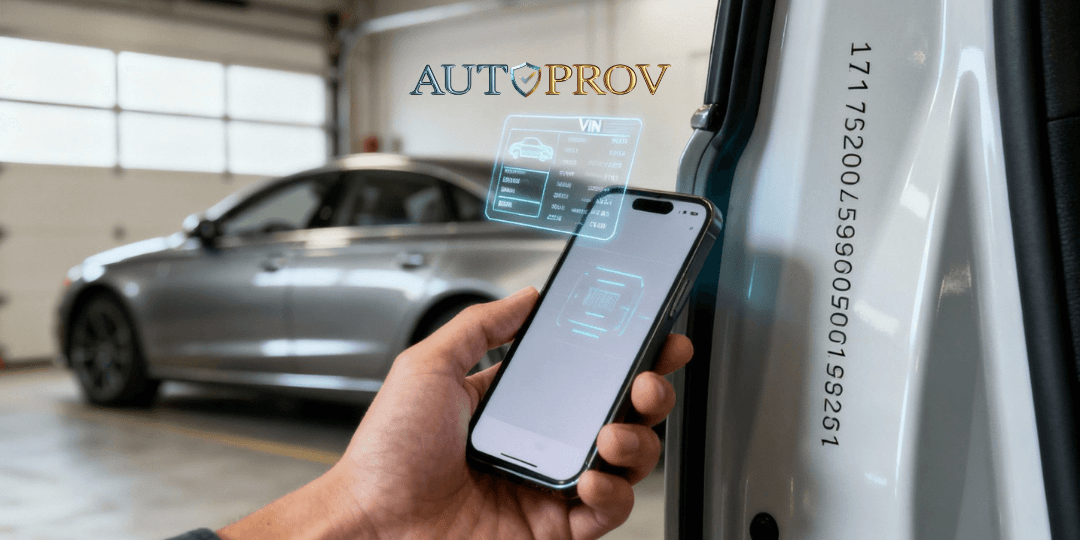
A Guide to Vehicle Check with VIN Number
A vehicle check with vin number is easily the most important thing you can do before buying a used car. Think of it as your first line of defence—a quick, simple step that pulls back the curtain on a vehicle's past, protecting you from expensive mistakes, legal headaches, and downright dangerous cars.
The Essential Autotrader Provenance Check Guide
So, you've found what looks like the perfect car on Autotrader. Before you get swept away by the polished paintwork and glossy photos, it’s time for a reality check. An Autotrader provenance check is your most important line of defence against hidden problems that could turn your dream car into a nightmare.
Published by AutoProv
Your trusted source for vehicle intelligence