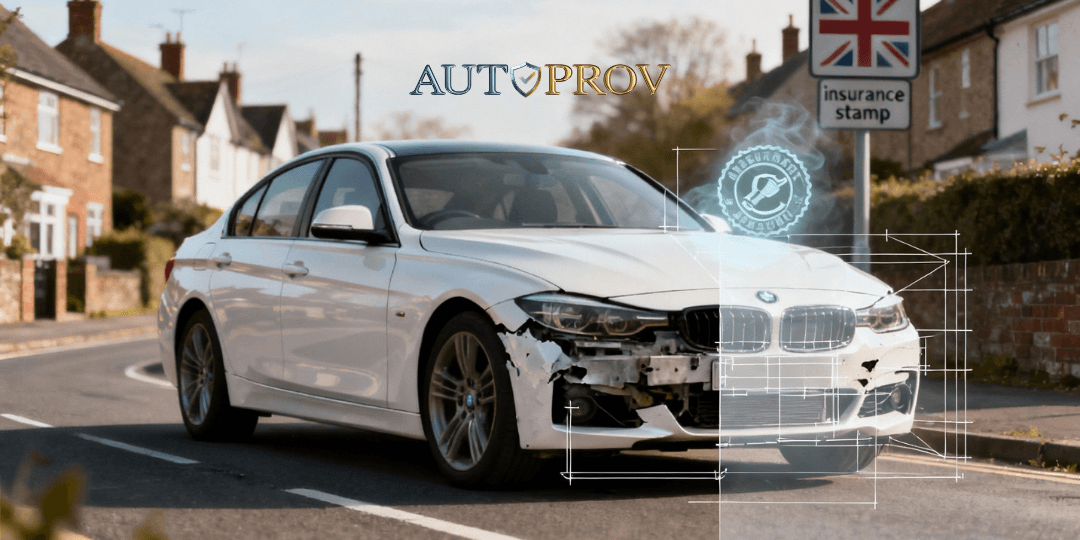
When you hear the term "salvage title," it's easy to picture a specific document you might hold in your hand. But here in the UK, it’s not a physical certificate at all. Instead, what a salvage title means is that a vehicle has been officially declared an insurance write-off. It’s a permanent mark against the car's history, signalling that an insurer once decided it was too damaged or uneconomical to repair.
When you hear the term "salvage title," it's easy to picture a specific document you might hold in your hand. But here in the UK, it’s not a physical certificate at all. Instead, what a salvage title means is that a vehicle has been officially declared an insurance write-off. It’s a permanent mark against the car's history, signalling that an insurer once decided it was too damaged or uneconomical to repair.
Decoding a Salvage Title in the UK
Think of it like a note on a property's file indicating it once had serious structural issues. This label doesn't just appear out of nowhere; it’s the end result of a formal insurance assessment. When the cost of repairs creeps up and exceeds a certain percentage of the car's market value, the insurer "writes it off."
This whole process is absolutely vital for keeping the used car market transparent. A vehicle gets this label after significant damage, often from accidents, floods, or other major incidents. These cars are then sorted into official write-off categories, like Category S or N, which tell you just how bad the damage was and whether it can be safely put back on the road. You can even review key statistics about damaged used cars in the UK to see just how common this is.
A salvage history fundamentally changes a vehicle's identity. It signals to all future owners, from individual buyers to professional dealerships, that the car has a significant event in its past that must be carefully scrutinised.
For anyone in the motor trade, getting your head around this is the first crucial step. It's not just about the bent metal; it's about what that write-off label implies for the vehicle's future. This breaks down into a few key areas:
- Safety and Roadworthiness: Has the car been repaired to a legal, road-safe standard?
- Market Value: How does the write-off status permanently knock down its price?
- Insurability: Will insurers even offer full coverage, and what will the premium look like?
By clearing up what this label really means, we can now dig deeper into the specific categories that define the severity of the damage, from cars destined for the scrapheap to those with repairable, non-structural issues.
The UK Insurance Write-Off Categories Unpacked
To really get to grips with what a salvage title means, you need to look past the label and dive into the specific insurance write-off categories. In the UK, the Association of British Insurers (ABI) has a straightforward code that grades just how badly a vehicle has been damaged. These categories—A, B, S, and N—are the official language of the salvage world.
Each category tells a unique story about a car's past and what its future might hold. They cover everything from vehicles so battered they have to be destroyed, right down to those with purely cosmetic bumps that are perfectly safe to get back on the road. For anyone in the trade, knowing these distinctions inside and out is non-negotiable.
The Point of No Return: Categories A and B
First up, at the most severe end of the spectrum, you’ve got Categories A and B. These are vehicles that can never legally return to the road, plain and simple. However, they do have different final destinations.
- Category A (Scrap): This is the end of the line. The vehicle is so compromised, maybe from a major crash or a fire, that it must be crushed completely. You can't salvage a single part from it. Not a nut, not a bolt.
- Category B (Break): This car has also suffered catastrophic damage, and its body shell must be crushed. The crucial difference from a Cat A, though, is that some of its non-structural parts—think engine, gearbox, or interior bits—can be safely salvaged and used to give other cars a new lease of life.
Both of these are clear-cut, end-of-life classifications. There’s absolutely no coming back from a Cat A or B designation.
The Repairable Write-Offs: Categories S and N
Now, this is where it gets interesting for trade buyers and sellers. Categories S and N are for vehicles that an insurer has deemed uneconomical to repair, but which are legally allowed back on the road once they've been properly fixed.
A vehicle being slapped with a Cat S or N marker doesn't automatically mean it's a death trap. It just means the insurer ran the numbers and decided that the cost of a professional repair, using brand-new manufacturer parts, was more than the car was worth at the time.
The real difference between them comes down to the type of damage the vehicle has sustained.
- Category S (Structural): This tag means the vehicle has taken a hit to its core structural frame or chassis. Think of it as a crack in a house's foundation—it’s a serious issue. It needs an expert, professional repair to make sure the vehicle is safe and its integrity is restored.
- Category N (Non-Structural): This is the category you'll see most often. The damage here is cosmetic or affects non-essential systems. We're talking about things like bumpers, panels, or maybe a glitchy infotainment system. The vehicle's core structure is untouched, which generally makes the repairs simpler and less critical to its overall safety.
How a Salvage History Hammers a Vehicle's Value
A salvage history isn't just a minor detail; it fundamentally rewrites a vehicle's financial DNA. Even with the most perfect, professional repairs, a car that's been written off will always be worth significantly less than an identical model with a clean slate. This isn't just about covering the repair bill—it's a permanent shift in its market standing.
The biggest reason for this nosedive in value? Perceived risk. Buyers, whether they're private customers or seasoned traders, know that a past trauma can easily lead to future headaches. There's always that nagging question in the back of your mind about hidden damage or gremlins that won't show up for months or even years.
Naturally, this history makes the car much harder to sell on. The pool of interested buyers shrinks dramatically because many simply won't touch a vehicle with a write-off marker, no matter how good the repair job looks.
Understanding the Financial Hit
Think of it like buying a designer handbag that's been professionally repaired after a tear. It might still look fantastic and do its job perfectly, but it can never command the same price as a flawless one. That imperfection is now part of its story, and its price has to reflect that.
The drop in value can be staggering. For example, one report found a 2018 Tesla Model 3 sold at a salvage auction for just 57% of its normal retail value. This shows just how immediate and severe the financial impact is, even on modern, sought-after cars. You can discover more insights about salvage checks and their findings on CarVeto.co.uk.
A salvage history isn’t just a note about past damage; it's a permanent financial footnote that dictates the vehicle's value ceiling for the rest of its life.
For dealerships and trade buyers, this reduced value creates a ripple effect:
- Profit Margins: The lower resale price directly squeezes your potential profit.
- Financing: Many lenders get twitchy about financing salvage vehicles, which shrinks your customer base even further.
- Insurance Costs: The end-user will likely face higher insurance premiums, making the car a less attractive deal overall.
At the end of the day, understanding what a salvage title means is about accepting this permanent financial reality. The price has to reflect the car's entire, unchangeable history, not just its current condition.
Your Checklist for Buying a Salvage Vehicle
Diving into the salvage market is about more than just having a good eye for a deal; you need a rock-solid due diligence process. That lower price tag on a previously written-off car is always tempting, but those savings come with serious risks. You need a systematic way to tell a well-repaired bargain from a vehicle that's hiding a world of expensive problems – problems that could trash your reputation and your profits.
This is much more than just kicking the tyres. It’s a proper investigation into the car's entire life story, from the moment of the crash right up to its current state. A rushed decision here is a gamble you just can't afford to take. The UK used car market is fiercely competitive; in 2022 alone, over 6.8 million used cars found new homes, and a salvage history massively impacts a car's value and safety. You can see more data on the UK’s used car market dynamics to get a sense of the scale we're talking about.
Your Essential Due Diligence Steps
Before you even dream of making an offer, every single salvage vehicle needs to pass a multi-stage inspection. Think of each step as another layer of protection, helping you build a complete picture of the car’s past and its present condition. Skip just one, and you could be heading for a disastrous purchase.
Your non-negotiable checklist has to include these three things:
- A Comprehensive History Check: This is your first line of defence, no question. Use a proper trade-grade service to confirm its write-off category (Cat S or N), check for outstanding finance, verify the mileage, and flag any other alerts. This initial report tells you why the car ended up with a salvage title in the first place.
- An Independent Mechanical Inspection: Never, ever rely on just an MOT certificate or what the seller tells you. Get a full inspection from an independent mechanic or specialist service you trust. They have the expertise to judge the quality of structural repairs and spot issues an untrained eye would easily miss.
- Full Repair Documentation: Any reputable seller will have a complete file of the repair work. This should include detailed invoices for every part and all the labour, plus photos of the damage before, during, and after the repairs were done.
A lack of detailed repair receipts and photos is a massive red flag. It usually means one of two things: either it was an amateur repair job, or the seller is trying to hide just how bad the original damage really was.
At the end of the day, this checklist is your business's safety net. Follow it religiously, and you can confidently pick out the well-repaired vehicles that offer genuine value while steering well clear of the poorly fixed write-offs that are nothing but trouble.
Know Your Rights When Buying a Salvage Car
When you’re buying a car with a past, especially if you're in the trade, knowing where you stand legally is everything. In the UK, the law is on the buyer's side, and that protection absolutely extends to vehicles with a salvage history. You’re not expected to navigate these tricky waters alone; solid legislation is in place to make sure you don't get misled.
The main piece of law you need to know about is the Consumer Rights Act 2015. This act makes it flat-out illegal for any trader to knowingly mislead a buyer by not telling them a vehicle has been written off. This isn’t just about outright lying; simply failing to mention it is enough to break the law.
It all comes down to transparency. A car’s write-off status is what’s known as a ‘material fact’ – basically, it’s a piece of information so important it would likely change your mind about buying the car, or at least how much you'd pay. Hiding that fact is a clear-cut case of misrepresentation.
What the Seller Must Do (And What You Can Do If They Don't)
While private sellers have some responsibilities, the bar is set much higher for professional dealerships. A dealer is expected to do their homework on a car and can’t just plead ignorance if a write-off category pops up later.
If a seller doesn’t disclose a vehicle's salvage history, they're not just being dodgy – they're breaking the law. The Consumer Rights Act gives you the power to reject the car or claim compensation.
So, what happens if you buy a car and later find out its salvage history was kept from you? You’ve got a few options:
- Reject the Vehicle: If you find out within the first 30 days, you have a short-term right to reject the car and get a full refund. No messing about.
- Claim Damages: You can make a claim for the difference in value. This means getting back the money between what you paid and what the car was actually worth with its known salvage history.
- Report to Trading Standards: This is a big one. Reporting the seller helps stop them from doing the same thing to other unsuspecting buyers down the line.
Understanding these rights completely changes the game. It means you can walk into any deal with confidence, knowing exactly what a seller is legally required to tell you. By asking direct questions and expecting straight answers about a car’s history, you’re making sure your decision is fully informed and, crucially, legally protected.
Got Questions About Salvage Titles? We’ve Got Answers
Dipping your toe into the world of salvage vehicles always throws up a few practical questions. It's one thing to understand the categories, but what about the day-to-day reality of owning, insuring, or even financing one? Let's clear up some of the most common queries you might have.
Can You Legally Drive a Category S or N Car in the UK?
Absolutely. It's 100% legal to drive a Category S or N car on UK roads. The crucial thing is that it must be properly repaired, hold a valid MOT certificate, be taxed, and have the right insurance cover in place.
Unlike the doomed Category A and B write-offs which are destined for the scrapheap, Cat S and N cars are specifically marked as being repairable. Just remember, you're legally required to tell your insurer about the car's history when you take out a policy.
Is Insurance More Expensive for a Salvage Car?
You should definitely budget for higher insurance premiums. From an insurer's point of view, a car with a write-off history is a bigger gamble, even if it's been repaired to a flawless standard. This perceived risk nearly always translates to higher costs for you.
You might even find that some companies won't offer fully comprehensive cover at all, pushing you towards more basic third-party policies. Honesty is the best policy here – be completely upfront about the car's salvage history when getting quotes to make sure your cover is valid.
Thinking of financing? It can be tough. Mainstream lenders often get cold feet when it comes to written-off vehicles because of their unpredictable value and higher risk. This means a cash purchase is often the most straightforward, and sometimes only, way forward.
How Can I Be Sure a Salvage Car Is Actually Safe?
The single best thing you can do for your own peace of mind is to get a full, independent inspection done before you hand over any money. A qualified mechanic or an organisation like the AA or RAC has the expert eye to properly assess the quality of the repair work.
When you book the inspection, specifically ask them to focus on the areas that were damaged in the original incident. On top of that, you should insist that the seller provides a full paper trail—detailed invoices and even photos of the repair process are solid proof of the work that's been done.
Frequently Asked Questions
AI-Generated Content Notice
This article was created with the assistance of artificial intelligence technology. While we strive for accuracy, the information provided should be considered for general informational purposes only and should not be relied upon as professional automotive, legal, or financial advice. We recommend verifying any information with qualified professionals or official sources before making important decisions. AutoProv accepts no liability for any consequences resulting from the use of this information.
From our AI insights
- UK Part-Exchange Checks: Protecting Dealer Margins
Explore essential part-exchange checks for UK dealers to safeguard profit margins, including provenance and finance verification.
- Why Every Keeper Matters: Insights for UK Car Traders
Understand the importance of checking previous keepers for UK motor trade compliance and risk management.
- Navigating UK Car Auctions: Dealer Insights
Master UK car auctions with these strategic dealer insights and avoid common pitfalls.
Related Articles

Your Ultimate Guide to Buying a Used Car in the UK
Navigate the UK used car market with confidence using our comprehensive buying guide. Tips, checks, and AutoProv Provenance insights included.

Difference Between MOT and Service: What You Need to Know
An MOT is a mandatory legal inspection that every car on UK roads needs to pass.Think of it as the government's way of ensuring your vehicle meets the absolute minimum safety and environmental standards to be considered roadworthy. A service, on the other hand, is a completely different beast. It's the proactive maintenance routine recommended by the people who built your car, designed to keep it running smoothly and catch problems before they start. In short, an MOT is a pass-or-fail exam required by law. A service is a comprehensive health plan for your car.
Your Ultimate Used Car Inspection Checklist
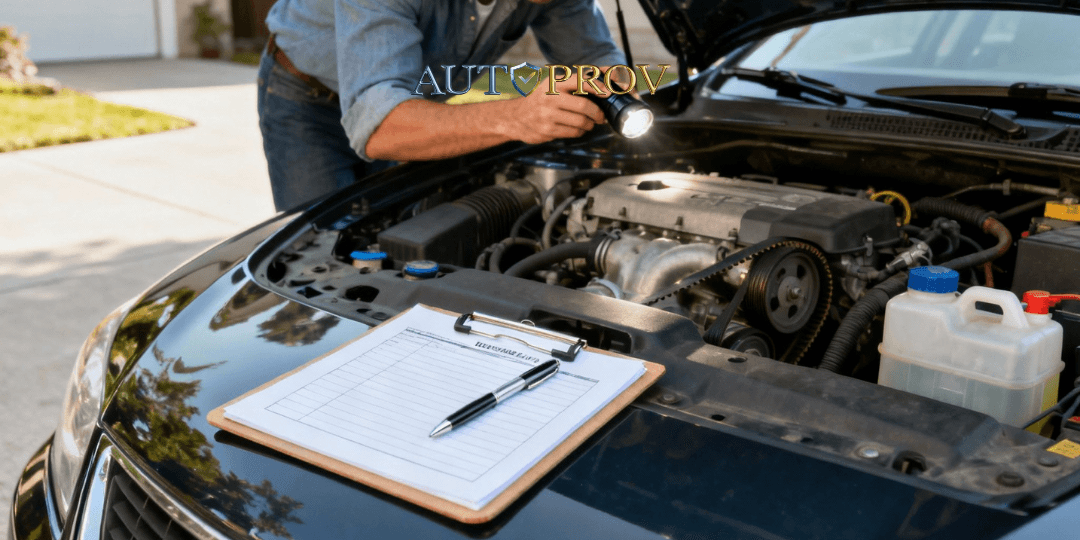
A solid used car inspection checklist is the single most powerful tool you have to avoid buying a lemon. It gives you a methodical way to look past the shiny paint and assess a car's real condition, helping you spot hidden problems and get a fair price before you shake hands on the deal.
Published by AutoProv
Your trusted source for vehicle intelligence