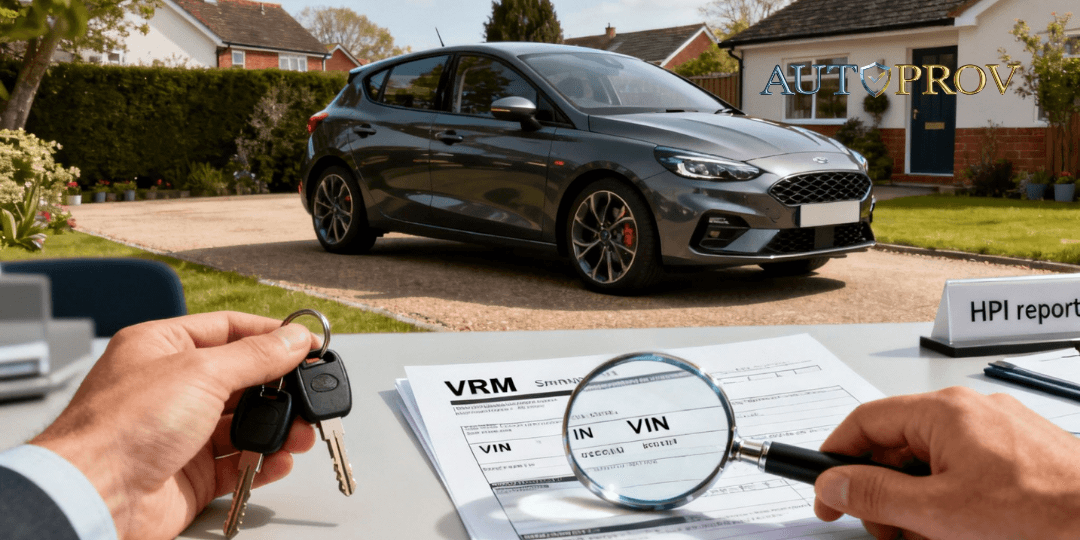
To check for outstanding car finance in the UK, you need to run a professional vehicle history check using the car's registration number (VRM). This is the only reliable way to find out if a finance company legally owns the vehicle under an agreement like Hire Purchase (HP) or Personal Contract Purchase (PCP). If you skip this, you’re taking a massive gamble – one that could see you lose both the car and your money.
To check for outstanding car finance in the UK, you need to run a professional vehicle history check using the car's registration number (VRM). This is the only reliable way to find out if a finance company legally owns the vehicle under an agreement like Hire Purchase (HP) or Personal Contract Purchase (PCP). If you skip this, you’re taking a massive gamble – one that could see you lose both the car and your money.
The Hidden Risk Lurking in Used Car Deals
Buying a used car should be an exciting moment, but a hidden danger can quickly turn that dream purchase into a financial nightmare. The danger is outstanding finance, a problem far more common in the UK's used car market than most people think.
Many buyers, especially if it's their first time, don't grasp a critical legal point: if a vehicle has an active finance agreement, the finance company is the legal owner, not the person selling it. This concept is known as having 'good title', and it means the seller simply doesn't have the legal right to transfer ownership to you.
Why This Puts You at Serious Risk
Imagine this. You’ve found the perfect car, agreed on a price, and driven it home feeling great. A few weeks later, a letter arrives from a finance company. They explain the person you bought it from has defaulted on their loan and, as the legal owners, they are coming to repossess the vehicle.
This isn’t just a scare story; it’s a grim reality for thousands of unsuspecting buyers every year. When the lender reclaims the car, you're hit with two devastating blows: you lose the car you paid good money for, and you have no legal right to get that money back from the finance company.
Trying to recover your cash from the seller often turns into a messy, expensive, and frequently hopeless civil court case. You're left with no car and an empty bank account. This is exactly why a professional check for outstanding car finance in the UK isn't just a good idea—it's an essential shield for your investment.
The stark reality is that until the final payment is made on a finance agreement, the vehicle remains the property of the lender. This legal ownership supersedes any private sale agreement you might have.
The Professional Advantage
A professional check from a service like AutoProv goes far beyond just taking the seller's word for it. It dives into huge, official databases, including records from Experian, to give you a definitive black-and-white answer on the car's financial status. This isn’t just about dodging a worst-case scenario. It’s about walking into a major purchase with total confidence and legal certainty.
Gathering the Essential Vehicle Details
Before you can even think about running a finance check, you need to get your hands on the right information. This isn't just a box-ticking exercise; it's about collecting the keys that unlock a car's genuine history. Get this part wrong, and any check you run is basically worthless.
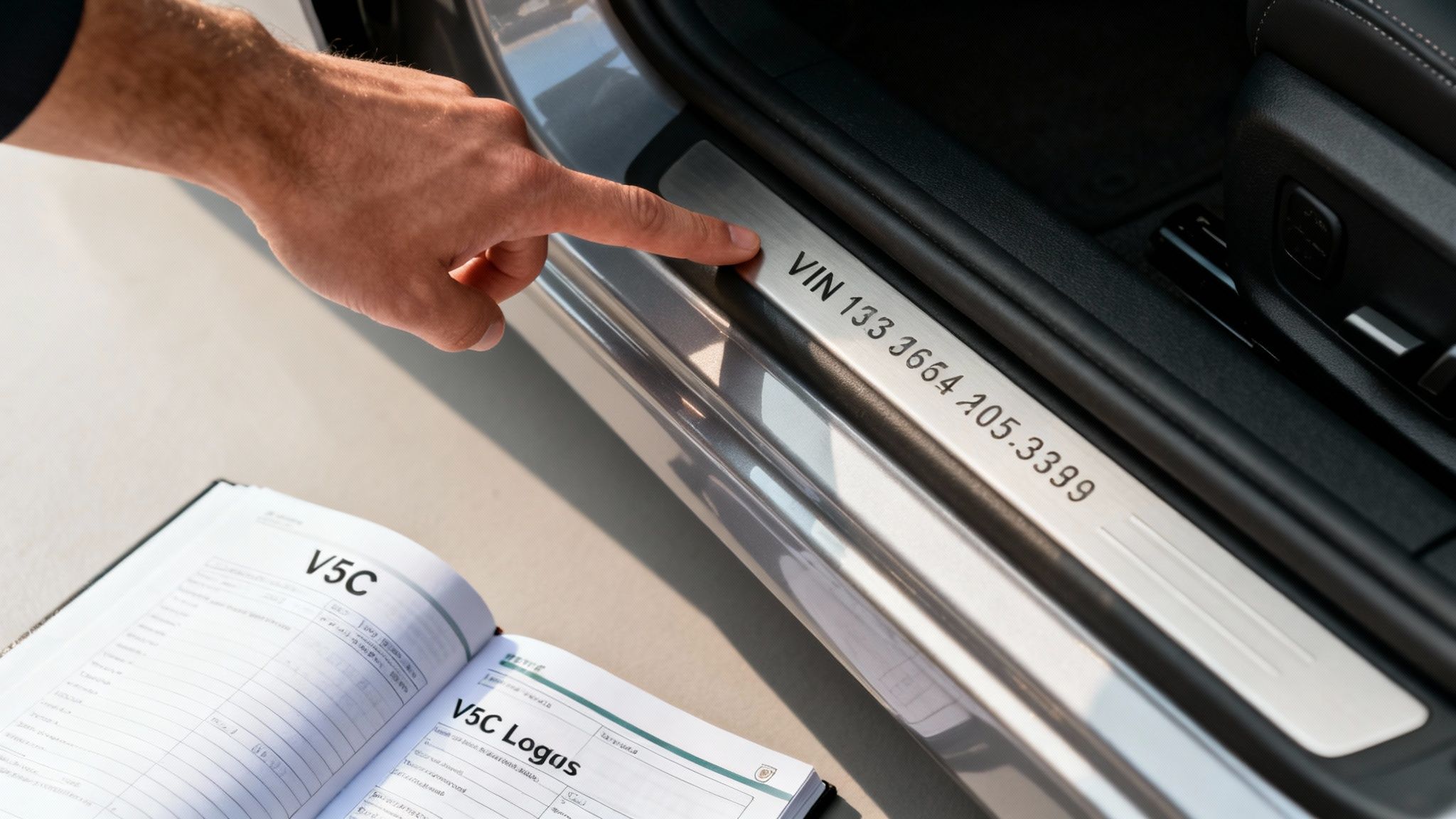
There are two non-negotiable pieces of information you must have: the Vehicle Registration Mark (VRM) and the Vehicle Identification Number (VIN). The VRM – the number plate – is the easy part. It's the VIN that requires a bit of detective work. This unique 17-character code is the car's fingerprint, physically stamped onto its chassis.
Locating and Verifying the VIN
You absolutely have to find the VIN on the car itself, not just on the paperwork. Pop on your inspection gloves and check the usual spots: at the base of the windscreen, usually on the passenger side; on a sticker inside the driver’s side door jamb or B-pillar; or stamped directly onto the chassis, often visible under the bonnet.
Once you’ve located it, the next critical step is to compare it against the VIN printed on the car's V5C logbook. These two numbers must match perfectly. No excuses. A single digit out of place is a massive red flag. It could be an innocent typo, but it could also point to something far more sinister, like cloning or theft.
A mismatched VIN is an instant deal-breaker. Never, ever proceed with a purchase if the number on the car doesn't align exactly with the one on its V5C. This simple check is your first and best line of defence against buying a stolen or cloned vehicle.
Handling a Hesitant Seller
So, what happens if the seller gets a bit cagey when you ask to see the VIN or inspect the V5C? Be very wary. Any legitimate seller with nothing to hide will have absolutely no problem with you verifying these fundamental details.
If you meet resistance, it’s a clear signal to walk away. It strongly suggests they know something is wrong with the car’s past – like outstanding finance – and they’re actively trying to stop you from finding out. This prep work is the foundation for everything that follows, ensuring the data you put into a provenance check is accurate and the results you get back are completely reliable.
How to Uncover a Vehicle's Financial History
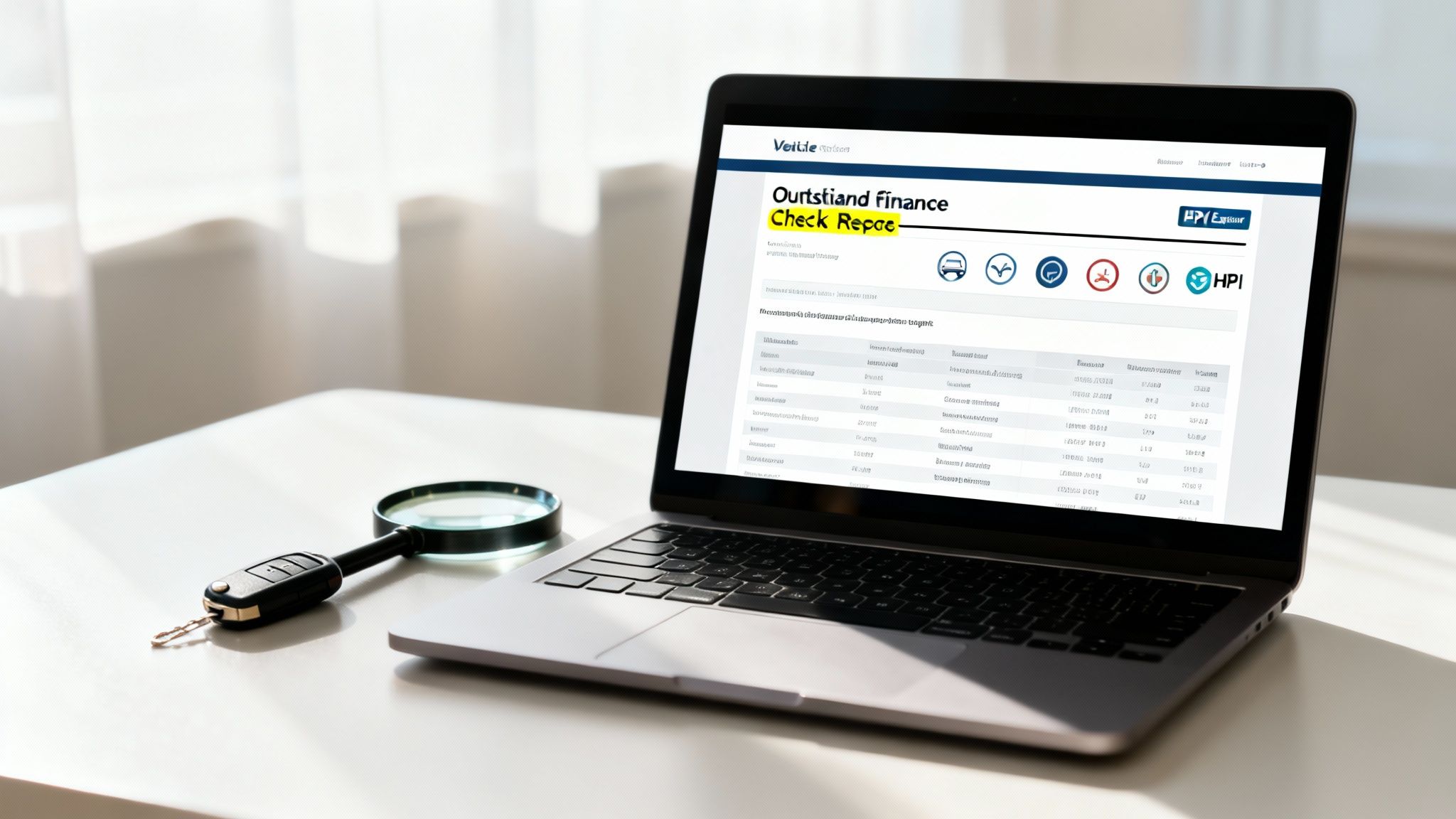
Simply asking a seller, "Is there any finance on it?" just won't cut it. You need impartial, data-backed proof that the car is legally theirs to sell. This is where professional vehicle checks become absolutely essential, moving you away from guesswork and towards hard evidence.
A proper check for outstanding car finance in the UK is a multi-layered investigation. It’s not just a single search; it’s a series of cross-referenced queries against vast, official databases. This is the only way to get a complete and accurate picture of the vehicle's past and protect yourself from a potentially catastrophic financial mistake.
The Anatomy of a Comprehensive Check
A top-tier vehicle history check from AutoProv digs into several critical areas at once. The core components of our checks include a Finance Agreement Search, which queries databases held by major credit reference agencies; a Police National Computer (PNC) Check, which instantly flags if the vehicle has been reported as stolen; and a search of Insurance Write-Off Records, cross-referencing the Motor Insurance Anti-Fraud and Theft Register (MIAFTR). This multi-pronged approach ensures you're not just checking for debt but also for other hidden issues that could make the car unsafe, illegal to own, or impossible to insure.
A common misconception is that all checks are the same. A basic check might only confirm DVLA details, whereas a full provenance check, like those offered by AutoProv, integrates financial, theft, and insurance data for a complete risk assessment.
A Real-World Example: The Hidden Logbook Loan
Imagine this scenario: a private buyer finds a perfect hatchback from a seller who seems completely genuine. The car drives like a dream. But a detailed check reveals a logbook loan secured against the vehicle.
This type of finance is particularly dangerous because the loan is tied directly to the car's V5C document. The seller had handed over the logbook, but the lender still legally held a financial interest. If the buyer hadn't run the check, they would have paid for the car, only for it to be repossessed when the seller inevitably defaulted on their loan. A total loss.
Bringing It All Together
This is precisely why a service like AutoProv is so vital for both private buyers and motor trade professionals. It doesn't just give you one piece of the puzzle; it consolidates these critical checks into a single, clear, and easy-to-digest report. For traders, mastering these reports is key to mitigating risk, a topic we cover in our practical guide to provenance checks for traders.
Instead of you having to piece together information from different sources, you get a definitive answer in seconds. This allows you to verify the seller's claims and make a buying decision based on concrete facts, not just a gut feeling. It’s the smartest way to ensure the car you're buying comes with a clean history and no nasty surprises waiting down the road.
Navigating a Car with Outstanding Finance

Discovering the car you’ve set your heart on has outstanding finance can feel like hitting a brick wall. It’s a common scenario, though, and it certainly doesn't have to be a deal-breaker.
The first rule is simple: stay calm. And whatever you do, don't hand over a single penny just yet. This discovery is your signal to press pause on the transaction and handle the situation with care. An official report from a service like AutoProv gives you the hard evidence needed for a direct, factual conversation with the seller. This isn't about pointing fingers; it's about getting clarity.
Contacting the Lender for a Settlement Figure
The next logical move is to bring the legal owner of the vehicle into the loop: the finance company. With the seller's permission, either you or the seller must contact the lender to request a 'settlement figure'. This is the exact amount of money required to clear the remaining debt on the car, which in turn releases the lender’s interest in it.
This figure is typically valid for a set period, often around 14 days, so time is of the essence. Getting this in writing is non-negotiable. It serves as the official record of the outstanding balance and is a critical piece of the puzzle for a secure sale.
Safe Methods to Settle the Finance
Once you have that settlement figure, you've got a couple of safe ways to proceed. The most secure method by far is to pay the finance company directly. This ensures the money goes exactly where it needs to, clearing the debt at the source.
Here’s how to handle the payment safely: you can arrange to transfer the settlement amount to the finance company yourself, paying the seller only the remaining balance of the agreed sale price. Alternatively, tell the seller you'll only complete the purchase once they've cleared the finance and can show you a 'clearance letter' from the lender confirming the debt is paid.
Never, ever agree to pay the seller the full amount with a 'promise' that they'll settle the finance later. This is a massive risk and leaves you completely exposed if they decide not to pay it. Always ensure the debt is cleared as part of the transaction itself.
Understanding Your Legal Position
Knowing your rights empowers you. A seller is legally obligated to have 'good title' to the vehicle they're selling, which means they must have the undisputed right to sell it. An outstanding finance agreement means they don't.
By managing the process carefully and documenting every step, you ensure the sale is legitimate. For more detail on the paperwork involved, it's worth reading a guide to the UK car sale contract.
This structured approach, backed by a detailed AutoProv report, transforms a potential disaster into a perfectly manageable process. It allows you to confidently navigate the complexities and secure your new car, legally and safely.
A Motor Dealer's Guide to Due Diligence
For anyone in the motor trade, skipping a finance check isn't just a minor oversight. It's a massive business risk, plain and simple, with serious legal and financial blowback. Unlike a private buyer, a dealership is legally bound to provide 'good title' for every car it sells. Getting that wrong can be a catastrophe.
Fail to properly check for outstanding car finance before you put a vehicle on the forecourt, and you're exposing the business to nasty consequences like legal action and reputational damage. That’s why a bulletproof due diligence process isn’t a nice-to-have; it’s fundamental to your survival and profitability.
Building an Essential Audit Trail
Your first line of defence is a solid, verifiable audit trail for every single vehicle that comes into your stock. This means running professional-grade checks as standard practice, with no exceptions. Using an integrated platform like AutoProv lets you instantly run and—crucially—log these checks for every car you buy.
This creates a time-stamped, digital paper trail of your due diligence. If a dispute ever pops up down the line, you have documented proof that you took all the right professional steps to verify the car's history before selling it. That audit trail is your shield against claims of negligence.
For a motor dealer, a vehicle history check is more than a simple data report. It's your legal and financial safeguard. It proves you’ve met your obligation to ensure every car sold has a clean title, protecting both your customers and your bottom line.
Understanding Indemnity Insurance
Another vital layer of protection is indemnity insurance. Most professional vehicle check providers, including AutoProv, offer this cover. It's there to cover your financial losses if a check gets it wrong and you later find out the vehicle has finance against it. This might include a Data Guarantee for accuracy or a Financial Indemnity covering the vehicle's purchase price up to a specified limit, which could be anywhere from £10,000 to £50,000.
The sheer scale of the UK car finance market makes this protection absolutely critical. With an outstanding loan value sitting at around £46 billion and still climbing, the chances of you buying a car with finance attached are incredibly high. Choosing the right indemnity level helps protect your cash flow from those nasty surprises. When you combine this with a robust checking process, including verifying key vehicle data as outlined in our ultimate car spec checker guide, you're building a fortress around your dealership against hidden risks.
Got Questions About Car Finance Checks? We've Got Answers
Even when you know the steps, it’s completely normal to have a few lingering questions before you run a check. After all, getting this right is crucial for a secure purchase. Let’s tackle some of the most common queries we hear from buyers.
Can I Run a Check with Just the Reg Plate?
For the most part, yes. A vehicle's registration number (VRM) is all you need to get the ball rolling on a proper history and finance check. Services like AutoProv use the VRM to tap into DVLA records, which then links them to the car’s unique VIN. From there, we can cross-reference that VIN against the critical finance and police databases. However, you should always physically check that the VIN on the car matches the one on the V5C logbook to ensure you’re not looking at a cloned vehicle.
What's the Worst That Can Happen If I Accidentally Buy a Car with Finance?
This is the nightmare scenario every buyer wants to avoid. If you buy a car with an active finance agreement—like a Hire Purchase (HP) or PCP deal—the finance company is still the legal owner. If that seller then stops their monthly payments, the lender has every right to repossess the vehicle, and that means coming to take it from you. You'd be left with no car and be out of pocket for the full amount you paid. A professional check is your best defence against this exact situation.
Don’t forget: The responsibility to check the car’s history falls squarely on you, the buyer. Claiming you didn't know about the finance won't stand up as a legal defence if the lender comes to reclaim their asset.
How Reliable Are These Online Car Checks?
The reliability of a check comes down to one thing: the quality of the data source. You get what you pay for. Many of the free or ultra-cheap checks you see online only pull from publicly available information and almost never include a proper finance check. A professional service, on the other hand, is built on trust and access to official, protected data. At AutoProv, for instance, we query the very same Experian finance database that lenders use, as well as data from the Police National Computer (PNC) and MIAFTR (the insurance write-off register). This provides a definitive, data-backed answer you can rely on.
Is a Seller Legally Meant to Tell Me About Existing Finance?
In short, yes, they should. A private seller is legally required to have 'good title' to the car, which basically means they have the legal right to sell it. If there's outstanding finance, they don't have good title. The problem is, they aren't required to volunteer this information upfront. A dishonest seller will often deliberately keep quiet about it, hoping you won't ask or, more importantly, won't check. This is precisely why you can never just take their word for it. You absolutely have to verify their claims with an impartial, professional check from a trusted provider like AutoProv. It's the only way to get the real story.
Frequently Asked Questions
AI-Generated Content Notice
This article was created with the assistance of artificial intelligence technology. While we strive for accuracy, the information provided should be considered for general informational purposes only and should not be relied upon as professional automotive, legal, or financial advice. We recommend verifying any information with qualified professionals or official sources before making important decisions. AutoProv accepts no liability for any consequences resulting from the use of this information.
From our AI insights
- Unveiling Engine Codes: Avoid Mis-sold Vehicles
Discover how to verify engine codes using factory build sheets and VIN decoding to dodge mis-sold UK vehicles.
- Efficient Forecourt Appraisals: A Data-Driven Guide
Master forecourt appraisals with essential checks and data-driven techniques for UK motor traders.
- Decoding UK Car Reg Plates: A Motor Trader's Insight
Learn how to decode car reg plates to assess vehicle age and condition before buying.
Related Articles

Car Specs by Reg: Instantly Find Vehicle Details & MOT History
Trying to find the full car specs by reg? In the UK, that little number plate is the key to unlocking a huge amount of information about a vehicle. From the exact engine size and CO2 emissions to its MOT history and tax status, it's all tied to the registration.

How to Check Previous Owners of a Car in the UK
Before you even start thinking about how to check the previous owners of a car, you need to get your head around why it's so important. This isn't just about being nosy; it’s a non-negotiable step that protects you from serious financial headaches and safety risks lurking under a shiny bonnet.

How to Check Service History in the UK
Think of a car's service history as its detailed CV, not just some dusty folder in the glovebox. To check service history is to get the real story behind a vehicle, digging into everything from its routine oil changes to any major surgery it's had. For any savvy car buyer in the UK, this record is the single most important document you can get your hands on.
Published by AutoProv
Your trusted source for vehicle intelligence