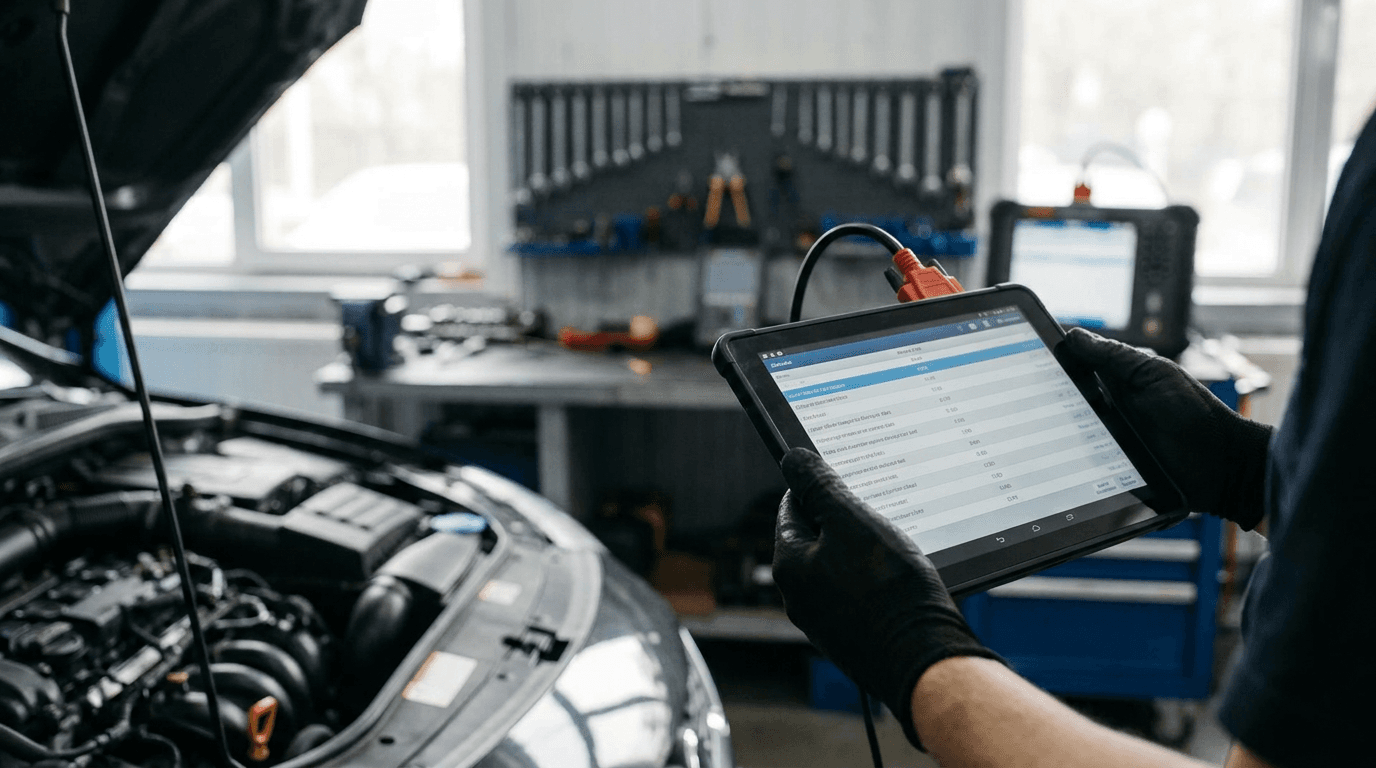
Learn how UK motor traders can identify outstanding vehicle recalls, understand legal obligations, and protect stock value using official recall databases and provenance
By CiteFlow
Why Outstanding Recalls Matter for Motor Traders
Outstanding recall notices represent unresolved safety defects identified by manufacturers that require rectification before a vehicle is safe for retail sale. For UK motor traders, selling a vehicle with an outstanding safety recall creates legal liability under the Consumer Rights Act 2015, which requires goods to be of satisfactory quality and fit for purpose. A vehicle with a known, unresolved safety defect fails both tests. Beyond legal risk, outstanding recalls affect stock value, customer confidence, and your dealership's reputation when buyers discover unresolved safety issues after purchase.
The challenge for traders is that recall notices are not automatically recorded on standard vehicle checks. A vehicle may have a clean HPI report, valid MOT, and no finance markers whilst still carrying multiple outstanding safety recalls. Manufacturers issue recalls for issues ranging from minor software updates to critical safety defects affecting braking systems, airbags, or fuel lines. Some recalls affect millions of vehicles globally, others target specific VIN ranges within a single model year. Without proactive checking, you cannot know whether the vehicle on your forecourt has unresolved safety work.
Understanding the UK Vehicle Recall System
The UK vehicle recall system operates through the Driver and Vehicle Standards Agency (DVSA), which maintains the official database of safety recalls issued by manufacturers. When a manufacturer identifies a safety defect, they notify DVSA and affected owners directly by post using DVLA registered keeper records. The manufacturer is responsible for contacting owners and arranging free rectification work at authorised dealers. However, this system has significant gaps for the motor trade.
Recall notices follow the registered keeper, not the vehicle. When a vehicle changes hands, the new keeper may never receive the original recall notification if DVLA records are not updated promptly. Vehicles sold at auction, through trade-to-trade movement, or with gaps in keeper history often accumulate multiple outstanding recalls that no current party is aware of. The DVSA recall database is searchable by registration number, but checking is not mandatory at point of sale, and many traders remain unaware the facility exists.
Recalls remain outstanding indefinitely until completed. Unlike MOT advisories that may resolve themselves or become irrelevant, a safety recall persists on the DVSA database until the specific remedial work is carried out and recorded by an authorised dealer. A ten-year-old vehicle may carry recalls issued years ago that were never actioned by previous keepers. This creates a hidden liability that passes through the trade chain until someone takes responsibility for verification and rectification.
How to Check for Outstanding Recalls
The primary method for checking outstanding recalls is the official DVSA vehicle recall checker, accessible at www.gov.uk/check-vehicle-recall. This free service allows you to search by registration number and returns any outstanding safety recalls recorded against that vehicle. The system provides the recall reference number, a description of the defect, and confirmation of whether the work has been completed. For trade buyers processing multiple vehicles daily, this represents an additional manual check beyond your standard provenance verification.
Comprehensive vehicle provenance reports from professional data providers increasingly incorporate recall status as part of their standard output. AutoProv's provenance reports include DVSA recall data alongside finance checks, MOT history, and salvage markers, providing a single consolidated view of vehicle status. This integration eliminates the need for separate manual checks and ensures recall verification becomes part of your standard due diligence workflow rather than an easily overlooked additional step.
Manufacturer databases also hold recall information, though accessing this typically requires contacting a franchised dealer with the VIN. Some manufacturers provide online VIN lookup tools that show outstanding recalls and service campaigns. When verifying digital service history, you can simultaneously check whether recall work has been completed and recorded in the manufacturer's system. Completed recalls appear in service records alongside routine maintenance, providing confirmation that the work was done to manufacturer specification.
Interpreting Recall Severity and Risk
Not all recalls carry equal risk or urgency. The DVSA classifies recalls based on safety severity, though the public-facing database does not always make these distinctions explicit. Critical recalls affecting core safety systems like braking, steering, or airbag deployment require immediate attention and should prevent retail sale until rectified. Less urgent recalls covering minor software updates or non-safety components may be resolved at the customer's convenience after sale, though this still requires disclosure.
The recall description provides crucial context. Recalls stating "do not drive" or "stop using immediately" indicate severe safety defects that make the vehicle unsafe for road use. These vehicles should not be moved under their own power and require manufacturer assistance or recovery to an authorised dealer. Selling such a vehicle, even with disclosure, creates unacceptable liability. At the other end of the spectrum, recalls for software updates or minor trim components present lower immediate risk but still require action and disclosure.
Recall population size also matters for practical purposes. Recalls affecting millions of vehicles globally often face parts supply constraints and long waiting times for rectification. A recall affecting a common model across multiple model years may have a six-month waiting list for replacement parts, creating a practical barrier to resolution before sale. Understanding the recall's scope helps you assess whether rectification is feasible within your stock turn timeframe or whether the vehicle requires pricing adjustment to reflect the outstanding work.
Legal Obligations When Selling Vehicles with Outstanding Recalls
Under the Consumer Rights Act 2015, you must ensure vehicles are of satisfactory quality and fit for purpose at the point of sale. A vehicle with an outstanding safety recall affecting core functionality fails this requirement. The Act does not explicitly mention recalls, but case law and trading standards guidance consistently interpret unresolved safety defects as breaches of satisfactory quality. Selling a vehicle with a critical outstanding recall exposes you to rejection rights, refund claims, and potential trading standards action.
Disclosure does not eliminate liability for critical safety recalls. Informing the customer that a vehicle has an outstanding recall affecting the braking system does not make the vehicle legally saleable if it fails the satisfactory quality test. The defect must be rectified before retail sale, or the vehicle should be sold as trade or salvage with appropriate pricing. For less critical recalls, disclosure in writing as part of the sale documentation provides some protection, but you remain liable if the defect affects the vehicle's fitness for purpose.
Distance sales under the Consumer Contracts Regulations 2013 create additional disclosure requirements. When selling remotely, you must provide all material information that would influence the customer's decision to purchase. Outstanding recalls constitute material information. Your pre-contract documentation must include recall status, and failure to disclose can trigger enhanced cancellation rights beyond the standard 14-day cooling-off period. AutoProv's Distance Sale Pack tools include recall status fields to ensure compliance with these disclosure requirements.
Rectifying Outstanding Recalls Before Sale
The most straightforward approach is to have recalls rectified before retail sale. Contact the manufacturer's customer service line with the VIN and arrange for the vehicle to be booked into an authorised dealer. Recall work is free of charge, including parts and labour, regardless of the vehicle's age or mileage. The manufacturer is legally obligated to rectify safety defects at no cost to the owner. As a trader, you can present yourself as the current keeper and arrange the work before the vehicle reaches your forecourt.
Waiting times for recall rectification vary significantly. Common recalls affecting high-volume models may have parts readily available and same-day completion. Complex recalls requiring specialist components or significant disassembly work may face weeks or months of delay whilst parts are manufactured and distributed. Before committing to purchase, check with the manufacturer's recall helpline for estimated completion times. A vehicle requiring three months of recall work may not fit your stock turn model, regardless of its other merits.
Some recalls can be completed mobile or at independent garages if the manufacturer authorises alternative providers. During periods of high recall volume, manufacturers sometimes certify independent workshops to carry out specific recall work to increase capacity. This option is not universal and depends on the recall's nature and the manufacturer's policy. Always verify that any non-franchised work will be recorded in the manufacturer's system and accepted as compliant rectification.
Pricing Vehicles with Outstanding Recalls
Vehicles with outstanding recalls require pricing adjustments to reflect the additional work, time, and risk involved. For minor recalls with short rectification times, deduct the cost of your time and any lost selling days whilst the vehicle is at the dealer. For major recalls with extended waiting times, the pricing calculation becomes more complex. You must factor in the holding cost during the rectification period, the risk that the customer discovers the recall and demands a discount, and the reputational risk of selling a vehicle with known safety issues.
Market perception also affects value. Vehicles subject to high-profile recalls, particularly those receiving media coverage or affecting well-known safety systems, suffer additional depreciation beyond the rectification inconvenience. Buyers research vehicle history online, and prominent recall coverage creates negative associations that persist even after the work is completed. Your valuation and market insights should account for this reputational impact when pricing stock with notable recall history.
Trade sales offer an alternative route for vehicles with complex or time-consuming recalls. Selling to another trader who specialises in that manufacturer or has better access to rectification facilities may be more profitable than holding the vehicle through a lengthy recall process. Price the vehicle to reflect the outstanding work, disclose the recall status clearly in your trade description, and let the buyer make an informed decision about whether they have the facilities and timeframe to handle rectification.
Integrating Recall Checks into Your Due Diligence Workflow
Recall verification should become a standard component of your pre-purchase checks, sitting alongside finance verification, MOT history, and salvage database searches. The most efficient approach is to use a consolidated provenance report that includes recall data as standard, eliminating the need for separate manual checks across multiple systems. This ensures consistency and prevents recalls from being overlooked during busy periods or when processing high volumes of stock.
For auction buyers working under time pressure, recall status should inform your bidding strategy. A vehicle with multiple outstanding recalls requires either a lower maximum bid to account for rectification time and cost, or exclusion from your target list if the recalls are too complex or time-consuming for your operation. Understanding what to check before you bid includes recall verification as a core component of rapid pre-auction due diligence.
Document your recall checks and any rectification work in your stock records. If a customer later raises a complaint or dispute, you need evidence that you conducted appropriate checks and took reasonable steps to identify and resolve safety issues. Your CRA 2015 compliance documentation should include recall check results, copies of rectification certificates from authorised dealers, and any correspondence with manufacturers regarding recall status. This documentation demonstrates due diligence and supports your defence against claims of selling defective goods.
Common Recall Scenarios and How to Handle Them
Multiple outstanding recalls on a single vehicle are common, particularly on older vehicles or models with known issues. Some vehicles accumulate five or more separate recall notices over their lifetime, each addressing different systems or components. Assess each recall individually for severity and rectification complexity. Some may be completed in a single dealer visit, others may require multiple appointments as parts become available. The cumulative effect on your time and holding costs may make the vehicle unviable for retail sale.
Recalls issued after you have purchased but before you have sold create an awkward timing problem. You conducted due diligence, the vehicle was clear at purchase, but a new recall is announced whilst the car sits on your forecourt. You are now aware of a safety defect and cannot claim ignorance. Contact the manufacturer immediately to arrange rectification, and do not complete any sale until the work is done or you have obtained clear legal advice that the specific recall does not affect satisfactory quality.
Completed recalls should be verified, not assumed. A seller may claim that recall work has been done, but without documentation from an authorised dealer, you cannot confirm this. Check the manufacturer's database or request service records showing the specific recall reference number and completion date. Unverified claims of completed recalls should be treated as outstanding until you have documentary proof. This is particularly important when identifying mis-described vehicles, where sellers may misrepresent vehicle condition to achieve a sale.
FAQs
Can I sell a vehicle with an outstanding recall if I disclose it to the buyer?
Disclosure alone does not make a vehicle with a critical safety recall legally saleable under the Consumer Rights Act 2015. If the recall affects core safety systems and renders the vehicle unfit for purpose, you must rectify the defect before retail sale. For minor recalls not affecting safety or fitness for purpose, written disclosure provides some protection, but you should seek legal advice on specific cases. The safest approach is always to rectify recalls before sale or price the vehicle as trade stock.
How long does recall rectification typically take?
Rectification time varies from same-day completion for simple software updates to several months for complex mechanical recalls requiring specialist parts. Common recalls on high-volume models usually have parts readily available and can be completed within a few days of booking. Rare or complex recalls may face significant parts supply delays. Always check with the manufacturer's recall helpline for current estimated completion times before committing to purchase a vehicle with outstanding recalls.
Are recall checks included in standard HPI or vehicle history reports?
Traditional HPI checks do not automatically include DVSA recall data as standard. Recall information is a separate dataset that requires specific integration. Professional trade provenance services like AutoProv include recall status as part of comprehensive vehicle intelligence reports, consolidating recall data with finance checks, MOT history, and other critical information. If your current provider does not include recalls, you must conduct separate manual checks using the DVSA database.
What happens if a customer discovers a recall after purchase that I did not disclose?
If you failed to identify and disclose an outstanding recall, the customer may have grounds for rejection under the Consumer Rights Act 2015, particularly if the recall affects vehicle safety or fitness for purpose. Your liability depends on whether you conducted reasonable due diligence. If you can demonstrate that you checked available databases and the recall was not listed at the time of sale, you have a stronger defence. This is why documented recall checks are essential components of your compliance records.
Can I claim compensation from a seller who sold me a vehicle with undisclosed recalls?
If you purchased the vehicle in a trade capacity and the seller failed to disclose known recalls, you may have a claim for misrepresentation or breach of contract, depending on the sale terms. Trade sales often include "sold as seen" clauses that limit liability, but these do not protect sellers who actively misrepresent vehicle condition. Your ability to claim depends on what was represented during the sale, whether the seller had actual knowledge of the recalls, and the specific terms of your purchase agreement. Document all pre-purchase representations and check results to support any potential claim.
Frequently Asked Questions
AI-Generated Content Notice
This article was created with the assistance of artificial intelligence technology. While we strive for accuracy, the information provided should be considered for general informational purposes only and should not be relied upon as professional automotive, legal, or financial advice. We recommend verifying any information with qualified professionals or official sources before making important decisions. AutoProv accepts no liability for any consequences resulting from the use of this information.
From our AI insights
- Navigating UK Grey Imports: A Trader's Guide
Understand the complexities and opportunities of UK grey imports for savvy motor traders.
- DVLA Keeper Changes: Insight for UK Motor Traders
Understand DVLA keeper change patterns to assess vehicle history and risk factors for UK motor traders.
- Navigating Private Plate Challenges in UK Vehicle Checks
Learn how private plates affect UK vehicle checks and how traders verify provenance and spot cloning risks.
Related Articles

Essential Vehicle Checks Before Buying a Used Car
Learn essential checks to ensure your used car purchase is safe and sound in the UK market.

Why a Provenance Check is Essential for Used Car Buyers
Ensure your used car is a smart investment by understanding the importance of a provenance check and how AutoProv can help.
A Guide to Vehicle Check with VIN Number
A vehicle check with vin number is easily the most important thing you can do before buying a used car. Think of it as your first line of defence—a quick, simple step that pulls back the curtain on a vehicle's past, protecting you from expensive mistakes, legal headaches, and downright dangerous cars.
Published by AutoProv
Your trusted source for vehicle intelligence