Professional mileage verification methods for UK motor traders. Learn to identify clocked cars using MOT data, service records, and physical inspection techniques.
What Makes a Car 'Clocked' and Why It Matters to Dealers
A clocked car is a vehicle whose odometer has been illegally altered to display a lower mileage than the vehicle has actually travelled. For UK motor traders, clocked vehicles represent both a financial risk and a legal liability under the Consumer Rights Act 2015. When you unknowingly buy and sell a clocked vehicle, you face potential customer rejections, reputational damage, and the burden of proving you conducted adequate due diligence. Industry estimates suggest that hundreds of thousands of vehicles on UK roads have false mileage readings, making systematic verification essential for every stock purchase.
The financial implications extend beyond the purchase price. A vehicle showing 45,000 miles commands a significantly higher retail value than the same model with 95,000 miles. If you price stock based on false mileage, you either overpay at acquisition or face customer disputes when the true mileage emerges. Under CRA 2015, customers have six months to reject vehicles that were not as described, and mileage discrepancies constitute a clear breach of the satisfactory quality requirement.
MOT History Analysis: Your First Line of Defence
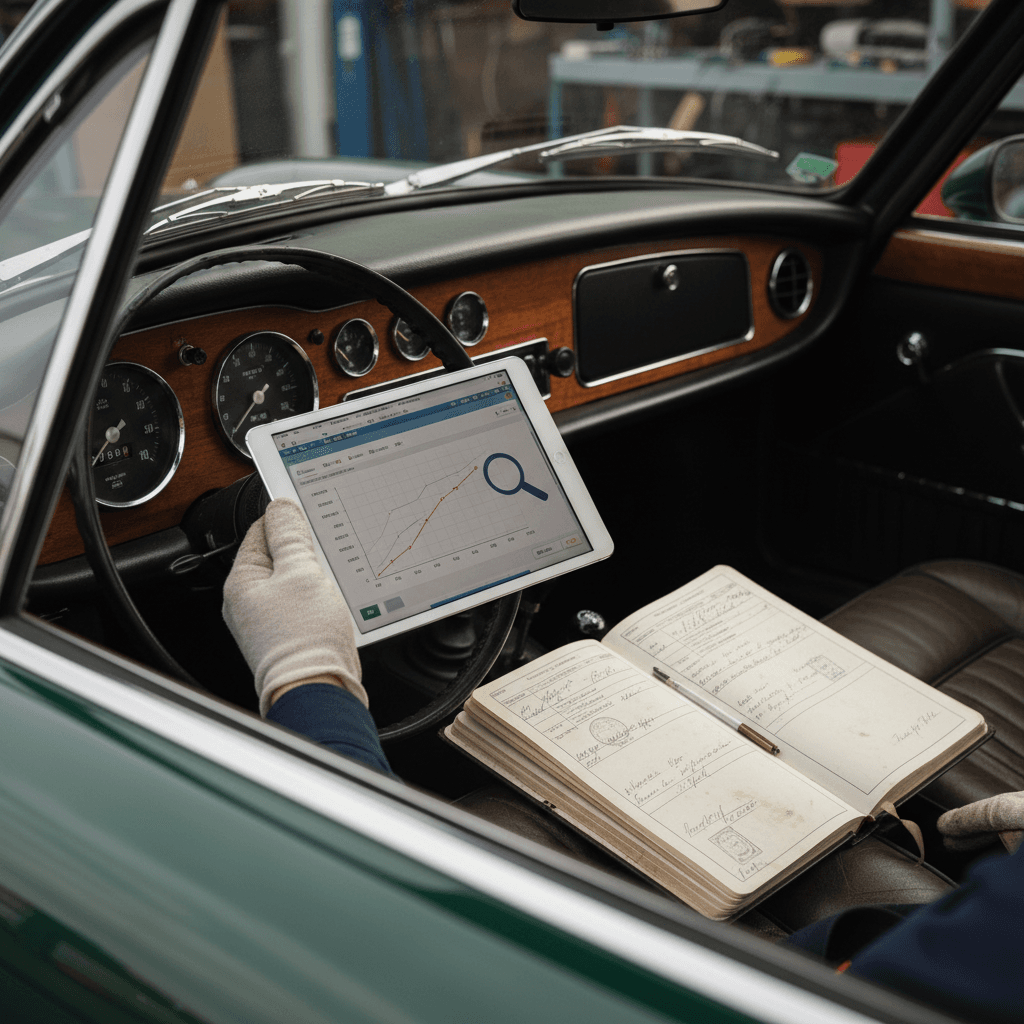
MOT records provide the most accessible and reliable documentary evidence of mileage progression. Every MOT test since 2005 includes an odometer reading, creating a chronological trail that reveals tampering. Start by obtaining the complete MOT history and plotting the mileage against test dates. Legitimate vehicles show consistent upward progression, typically between 6,000 and 12,000 miles annually for average use.
Suspicious patterns include sudden mileage drops between tests, unexplained plateaus where recorded mileage barely increases over multiple years, or dramatic jumps that exceed reasonable annual accumulation. A vehicle showing 87,432 miles in 2022 and 62,108 miles in 2023 has obviously been clocked. Less obvious is a car recording 45,000 miles across three consecutive annual tests, suggesting the odometer was disconnected or the vehicle was stored, though storage is rarely the true explanation for trade stock.
Pay particular attention to advisory notes in MOT records. Examiners sometimes record concerns about mileage authenticity, noting discrepancies with service stickers or previous records. While these notes do not prove clocking, they warrant deeper investigation. You can access complete MOT history data instantly to establish baseline mileage verification before committing to a purchase.
Digital Service History Cross-Referencing
Manufacturer-held digital service records provide independent mileage verification that cannot be altered retrospectively. When a franchised dealer services a vehicle, they upload the mileage reading to the manufacturer's central database. These records create a parallel verification trail separate from MOT data, often with more frequent data points.
For vehicles with manufacturer service history, cross-reference the digital records against the displayed odometer reading and MOT data. A vehicle showing 52,000 miles on the clock should have digital service records that align with this figure. If the last manufacturer service at 48,000 miles occurred eighteen months ago, but the MOT six months ago showed 71,000 miles, the odometer has been wound back.
Digital service history verification works across 44 manufacturer databases, though coverage varies by brand and model age. Premium German manufacturers maintain particularly comprehensive records, while some volume brands have less complete historical data. The technique is most effective for vehicles under eight years old that were serviced within franchised networks. Understanding which manufacturers provide the most reliable digital records helps you assess verification confidence for different stock types.
Physical Inspection Indicators of High Mileage
Documentary evidence must be supported by physical inspection. High-mileage vehicles exhibit wear patterns that low-mileage examples do not, regardless of what the odometer displays. Experienced traders develop an eye for these inconsistencies, though clocking operations have become sophisticated enough that cosmetic refurbishment often accompanies mileage correction.
Examine the driver's seat bolster, steering wheel, and gear knob for wear. A vehicle claiming 35,000 miles should not have a heavily worn driver's seat with collapsed bolster support or a steering wheel with the coating worn through to bare plastic. Pedal rubbers provide another indicator. Original pedal rubbers showing significant wear or aftermarket replacements on a claimed low-mileage vehicle suggest the true mileage is substantially higher.
Check service stickers and oil change reminders on the door frame or under the bonnet. These often show mileage figures that predate the clocking. A sticker indicating the next service is due at 87,000 miles on a vehicle displaying 43,000 miles is clear evidence of tampering. Similarly, examine any paperwork left in the vehicle, including old receipts, parking tickets, or insurance documents that might reference higher mileage figures.
Tyre Condition and Replacement Patterns
Tyre wear provides circumstantial evidence of actual usage. A vehicle genuinely covering 8,000 miles annually should still have substantial tread depth on original or first-replacement tyres after three years. If a claimed four-year-old car with 32,000 miles is wearing its third set of tyres, the true mileage is likely double or triple the displayed figure.
Check tyre date codes to establish when they were manufactured and fitted. The four-digit code on the tyre sidewall indicates the week and year of manufacture. A 2019 vehicle claiming 28,000 miles should not be fitted with tyres manufactured in 2023 unless there is documented evidence of damage requiring early replacement. Multiple tyres from different manufacturers and age ranges suggest repeated replacements consistent with higher mileage.
Brake disc condition follows similar logic. Brake discs on genuinely low-mileage vehicles show minimal wear and scoring. If the discs are heavily scored, lipped at the edges, or have been replaced, this indicates substantially more use than the odometer suggests. Cross-reference brake and tyre condition with service records. If digital service history shows brake disc replacement at 68,000 miles but the odometer displays 41,000 miles, you have documentary proof of clocking.
Interior Wear Patterns and Component Condition
The vehicle interior tells a story that clocking cannot erase. Focus on high-contact areas that accumulate wear through normal use. Door handles, window switches, and centre console controls show distinctive wear patterns on high-mileage vehicles. Chrome or silver-finish switchgear develops a polished, worn appearance after 80,000 miles of regular use that is difficult to replicate on a genuinely low-mileage example.
Examine the carpets and floor mats for wear, particularly in the driver's footwell. Heavy wear or replacement mats on a claimed low-mileage vehicle raise questions. Check whether interior trim pieces have been replaced. Aftermarket or mismatched trim components sometimes indicate an attempt to disguise high-mileage wear. Original equipment showing minimal wear should be consistent with the claimed mileage.
Inspect the condition of labels and information stickers inside the door shuts, under the bonnet, and in the boot. These deteriorate and fade with age and use. A ten-year-old vehicle with pristine, unfaded stickers but claiming only 40,000 miles may have had components replaced to disguise true usage. While not definitive proof, these details contribute to the overall assessment.
Electronic Control Unit Data Interrogation
Modern vehicles store mileage data in multiple electronic control units (ECUs) throughout the vehicle, not just the instrument cluster. Professional clocking operations alter the dashboard display, but they often fail to modify every ECU that records mileage. Interrogating these additional modules can reveal the true mileage even when the odometer has been wound back.
Engine management ECUs, ABS modules, airbag systems, and transmission control units all store mileage data. Using appropriate diagnostic equipment, you can extract these stored values and compare them against the displayed odometer reading. Discrepancies between modules indicate tampering. A vehicle showing 47,000 miles on the dashboard but 94,000 miles in the engine ECU has been clocked.
This technique requires diagnostic tools capable of reading multiple control modules, which represents an investment beyond basic code readers. However, for higher-value stock or when other indicators suggest clocking, ECU interrogation provides definitive evidence. Some premium and performance vehicles store particularly detailed data, making them easier to verify through electronic means. The technique is less effective on older vehicles with simpler electronic architectures that store minimal data.
Provenance Documentation and Ownership History
Complete provenance documentation helps establish mileage authenticity. Request all available service invoices, receipts, and maintenance records from the seller. Genuine low-mileage vehicles typically have comprehensive paperwork trails, while clocked vehicles often have suspiciously sparse documentation or gaps in the service history.
Analyse the ownership history for red flags. Vehicles that have changed hands multiple times in quick succession, particularly through trade-to-trade sales, carry higher clocking risk. Each ownership transfer provides an opportunity for mileage manipulation. A three-year-old vehicle with five previous keepers and minimal service documentation warrants extreme caution.
Previous keeper information from V5C documents can be cross-referenced against service records. If service invoices show work carried out at addresses or by garages in different regions from where the vehicle was registered, this might indicate legitimate relocation or might suggest the documentation has been assembled from multiple sources. Comprehensive provenance checks combine documentary evidence with data from multiple independent sources to build confidence in mileage authenticity.
Commercial Vehicle and Fleet Car Considerations
Ex-fleet vehicles and former commercial use cars present specific mileage verification challenges. These vehicles often accumulate high mileage rapidly, making them attractive targets for clocking before entering the retail market. Fleet operators typically maintain detailed service records, but these are not always passed to subsequent owners, creating information gaps that facilitate fraud.
For vehicles with fleet history, attempt to verify the fleet operator and contact them directly for service records. Legitimate fleet disposals usually include comprehensive maintenance documentation. Be particularly cautious of ex-rental vehicles, which can accumulate 30,000 to 50,000 miles annually. A three-year-old former rental car claiming 45,000 miles is almost certainly clocked.
Commercial derivatives of passenger cars, such as panel vans based on hatchback platforms, often have more basic instrumentation that is easier to manipulate. These vehicles also tend to accumulate mileage quickly through business use. When assessing commercial vehicles or derivatives, apply more stringent verification standards and expect higher baseline mileage for the vehicle's age.
What to Do When You Identify a Clocked Vehicle
When evidence indicates a vehicle has been clocked, the appropriate response depends on whether you have already purchased the stock or are still in the assessment phase. If you identify clocking before purchase, walk away regardless of the asking price. The legal and reputational risks outweigh any potential profit margin.
If you discover clocking after purchase, you have potential recourse against the seller under the Sale of Goods Act if you bought from another trader, or potentially under fraud provisions if you bought privately. Document all evidence of the clocking, including MOT records, service history discrepancies, and physical inspection findings. You may need this evidence to pursue rejection or to defend against subsequent customer claims.
Never attempt to sell a vehicle you know or suspect has been clocked. Doing so exposes you to criminal liability under fraud legislation and civil liability under CRA 2015. The vehicle must either be returned to the seller, scrapped, or sold with full disclosure of the mileage discrepancy at a price that reflects the true condition. Some traders choose to disclose known mileage issues and sell vehicles as 'mileage unwarranted', though this significantly impacts value and marketability.
Building Systematic Verification into Your Buying Process
Effective mileage verification requires systematic processes, not ad-hoc checks. Develop a standard pre-purchase inspection protocol that combines documentary analysis with physical inspection. Every vehicle should undergo MOT history review, digital service history verification where available, and structured physical inspection before you commit to purchase.
Document your verification process for every vehicle you buy. This creates an audit trail demonstrating due diligence if a customer later raises a mileage dispute. Under CRA 2015, you must prove you had reasonable grounds to believe the vehicle was as described. Comprehensive documentation of your verification process provides this evidence.
Consider the cost-benefit analysis of different verification methods for different stock categories. A £3,000 part-exchange may warrant only MOT and visual checks, while a £25,000 premium vehicle justifies ECU interrogation and detailed provenance investigation. Tailor your verification intensity to the risk profile and value of the stock.
Frequently Asked Questions
AI-Generated Content Notice
This article was created with the assistance of artificial intelligence technology. While we strive for accuracy, the information provided should be considered for general informational purposes only and should not be relied upon as professional automotive, legal, or financial advice. We recommend verifying any information with qualified professionals or official sources before making important decisions. AutoProv accepts no liability for any consequences resulting from the use of this information.
Published by AutoProv
Your trusted source for vehicle intelligence