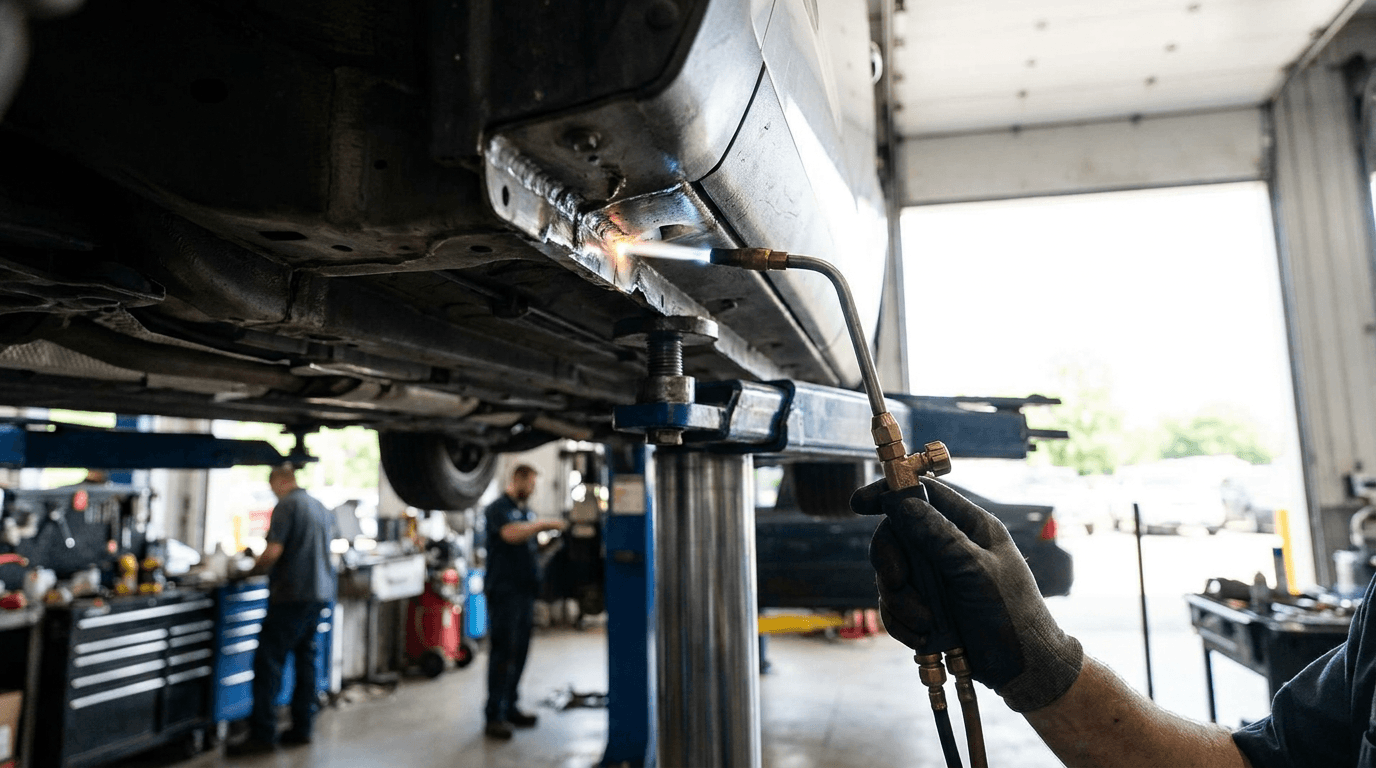
Learn how to identify cut and shut vehicles before purchase. Professional guide covering structural inspection, VIN verification, and data checks for UK motor traders.
By CiteFlow
What Is a Cut and Shut Vehicle
A cut and shut is a vehicle constructed by welding together two or more sections from different vehicles, typically combining the front half of one car with the rear half of another. These vehicles are created when both donor vehicles have suffered significant damage to opposite ends, making them individually uneconomical to repair but superficially viable when joined. The structural integrity of cut and shut vehicles is fundamentally compromised because the welded joints cannot replicate factory-engineered crumple zones, mounting points, or load-bearing structures. Most experienced traders have encountered these vehicles at some point, and the consequences of missing one range from immediate rejection under CRA 2015 to catastrophic safety failures.
The practice became more sophisticated as salvage regulations tightened, with builders using increasingly professional techniques to disguise the joins. Modern cut and shuts often involve laser cutting and precision welding that can fool casual inspection, particularly when combined with fresh paint and underseal application. The vehicles typically enter the trade through private sales, smaller auctions, or import channels where provenance documentation is limited or absent.
Why Cut and Shuts Remain a Trade Risk
Cut and shut vehicles persist in the market because they offer criminals substantial profit margins with relatively low detection rates when sold quickly through private channels. A vehicle written off as Category B (break for parts only) might have a salvageable front end worth £3,000 in parts, whilst another Category B vehicle with rear-end damage has a viable back section. Welding them together creates a vehicle that might sell for £8,000 to an unsuspecting buyer, despite being illegal to return to the road.
The risk to dealers is threefold. First, you face immediate financial loss when the vehicle is identified post-purchase, as cut and shuts have effectively zero legitimate resale value. Second, selling a cut and shut vehicle, even unknowingly, exposes you to criminal liability under the Road Traffic Act and civil liability under consumer protection legislation. Third, the reputational damage from being associated with dangerous vehicles can destroy a dealership's standing in the local market permanently.
Detection rates remain low because many cut and shuts are constructed with enough skill to pass MOT testing, particularly when the joining work is concealed beneath plastic undertray panels or sound deadening material. The vehicles may function adequately under normal driving conditions, only revealing their structural weakness in collision scenarios when the compromised structure fails to protect occupants.
Physical Inspection Techniques for Identifying Cut and Shuts
The most reliable detection method combines systematic visual inspection with tactile examination of key structural areas. Start beneath the vehicle on a ramp or pit, working methodically from front to rear along both chassis rails and the floor pan. Factory welds are uniform, with consistent spot-weld spacing and smooth seam appearance. Cut and shut joints typically show continuous MIG or TIG welds where factory construction would use resistance spot welding, and the weld bead profile differs noticeably from surrounding factory joints.
Pay particular attention to the area around the B-pillar and rear of the front door apertures, as this is the most common joining location. Run your hand along the underside of sills and chassis rails, feeling for changes in metal thickness, additional plates, or weld beads that break the smooth factory profile. Cut and shuts often require reinforcement plates to achieve structural rigidity, creating detectable thickness variations.
Inspect paint finish inside door shuts, boot apertures, and under bonnet areas. Factory paint shows consistent orange-peel texture and coverage into recessed areas. Repainted sections typically show overspray onto rubber seals, thinner coverage in recessed corners, and colour mismatch under different lighting conditions. Remove plastic sill covers and undertray panels where possible, as these are frequently installed specifically to conceal joining work.
Check panel gaps and alignment across the entire vehicle. Measure door gaps at top and bottom with a gap gauge, comparing front to rear. Cut and shuts rarely achieve factory-specification panel alignment because the shell geometry has been fundamentally altered. You will often find the rear doors sitting proud of the body, inconsistent gaps between rear quarter panels and bumpers, or boot lids requiring excessive force to close properly.
VIN and Chassis Number Verification
Every vehicle has multiple VIN locations, and cut and shut builders must address each one to create a convincing vehicle. The primary VIN plate is typically riveted to the bulkhead or door pillar, but secondary VIN stampings appear on the chassis rails, engine bay panels, and sometimes etched into window glass. Systematic verification of all VIN locations is essential because criminals often replace only the most visible plates whilst leaving secondary stampings intact.
Start by recording the VIN from the V5C logbook, then verify it against the main VIN plate. Use a torch to examine the rivets securing the plate, looking for disturbance to surrounding paint, non-original rivet types, or misalignment. Factory VIN plates are installed before final paint application, so genuine plates show paint coverage to the edges with no gaps or overspray.
Locate and check secondary VIN stampings. Common locations include the offside chassis rail near the suspension turret, the bulkhead above the pedal box, and stamped into the floor pan beneath carpets. On many vehicles, the VIN is also laser-etched into window glass, typically in a corner of the windscreen or rear screen. If secondary VIN locations show different numbers, or if stampings appear re-struck or ground away, you are looking at a cut and shut or rung vehicle.
Vehicle provenance reports aggregate data from multiple sources including DVLA, DVSA, and salvage registers to flag vehicles with marker histories that suggest structural compromise. A comprehensive check will reveal if either section of the vehicle was previously recorded as a total loss, even if the current VIN shows clean.
Documentation and History Verification
Cut and shut vehicles typically have documentation inconsistencies because the builders must create a paper trail for a vehicle that did not leave the factory as a complete unit. The V5C logbook is often a recent issue, as criminals apply for replacement documents claiming the original was lost. Check the document issue date against the vehicle age; a three-year-old vehicle with a V5C issued six months ago warrants additional scrutiny.
Request the full service history and examine the documentation chronology. Cut and shuts frequently show service history gaps corresponding to the period when the vehicle was written off and reconstructed. You might see regular servicing stamps up to a certain mileage, then a sudden gap of 12-18 months, followed by an MOT test at a different testing station in a different geographic area. This pattern suggests the vehicle moved through salvage, reconstruction, and re-entry to the market.
Verify the MOT history through DVSA records, checking for testing station changes and mileage progression. Cut and shuts often show an MOT failure or final test at one location, followed by a gap, then a fresh MOT at a different station with suspicious mileage readings. The DVLA keeper history can reveal multiple short-term keepers or keepers registered at salvage yard addresses, both indicators of vehicles with problematic histories.
Cross-reference the vehicle specification against factory build data. Cut and shuts sometimes combine sections from different specification levels or even different model variants, resulting in equipment combinations that were never factory-fitted. A vehicle showing leather seats, climate control, and upgraded alloy wheels but listed on the V5C as a base specification model suggests either extensive modification or construction from multiple donor vehicles. Factory build data provides definitive specification verification that can expose these inconsistencies.
Common Cut and Shut Construction Points
Most cut and shuts are joined in predictable locations dictated by the damage patterns of the donor vehicles and the structural requirements of the finished product. The most common joining point runs through the cabin area, typically just behind the B-pillar or through the rear door apertures. This location allows builders to combine front-end collision damage with rear-end impact damage, using the relatively straight floor pan section as a joining surface.
The second common construction method involves joining at the bulkhead, combining a damaged passenger compartment with an intact front end or vice versa. This approach is less common because it requires more complex work around the dashboard, pedal box, and wiring harness, but it appears in higher-value vehicles where the potential profit justifies additional effort.
Some sophisticated cut and shuts use the factory seam between the rear quarter panel and the door pillar, following the original spot-weld line to disguise the joining work. These vehicles are particularly difficult to detect without removing interior trim to expose the underlying structure. The criminals essentially perform a factory-style rear-end replacement but using a section from a different vehicle rather than genuine manufacturer panels.
Inspect the underside around the fuel tank mounting area and rear suspension pick-up points. These areas show clear evidence of joining work because the fuel lines, brake pipes, and wiring harness must be cut and reconnected. Look for non-original pipe routing, additional joints in brake lines, or wiring repairs that suggest the loom was severed and rejoined.
Using Professional Data Sources for Cut and Shut Detection
Whilst physical inspection remains essential, professional vehicle checks provide critical background intelligence that flags vehicles warranting detailed examination. Salvage registers maintained by insurers record vehicles written off under various categories, and these records persist even when vehicles are illegally returned to the road with fresh identities.
A comprehensive provenance check will reveal if the vehicle was previously recorded as Category A (scrap only) or Category B (break for parts), both of which legally prohibit the vehicle returning to the road. Cut and shut builders sometimes use Category S (structural damage) or Category N (non-structural damage) vehicles as donor sections, as these categories permit repair and return to service, providing cover for the reconstruction work.
The DVSA MOT history provides valuable timeline intelligence. Look for gaps in testing history, changes in recorded mileage that suggest odometer replacement, or advisory notes mentioning structural corrosion or welding that was subsequently absent from later tests. These patterns indicate intervention that may include cut and shut construction.
Experian data includes insurance write-off records and salvage markers that may not appear on basic HPI checks. Professional trade checks aggregate multiple data sources to provide comprehensive marker history that reveals vehicles with problematic backgrounds, even when criminals have attempted to launder the identity through re-registration or import channels.
Legal Implications and Liability
Selling a cut and shut vehicle, even unknowingly, exposes dealers to criminal prosecution under the Road Traffic Act 1988 and civil liability under the Consumer Rights Act 2015. The vehicle is not of satisfactory quality, not fit for purpose, and the structural compromise means it cannot be as described. Customers have absolute rights to reject and claim full refunds, plus consequential losses.
Beyond civil liability, knowingly selling a vehicle that is dangerous or not legally permitted on the road constitutes an offence that can result in unlimited fines and imprisonment. Even if you purchased the vehicle in good faith, your failure to conduct adequate due diligence does not eliminate liability to the customer, though it may provide a defence against criminal charges.
The reputational damage from being associated with cut and shut vehicles is often more severe than the immediate financial loss. Local press coverage, social media exposure, and word-of-mouth within the trade can destroy a dealership's reputation permanently. Most buyers who discover they have purchased a cut and shut will pursue every available avenue for redress, including Trading Standards complaints, online reviews, and legal action.
Maintain detailed records of your inspection process and data checks for every vehicle you purchase. If a cut and shut does slip through, comprehensive documentation demonstrating reasonable due diligence provides some protection against allegations of knowing involvement. Remote appraisal records and timestamped inspection checklists create an audit trail showing professional standards were applied.
What to Do If You Suspect a Cut and Shut
If physical inspection or documentation review raises suspicions, do not proceed with the purchase regardless of the apparent deal quality. The financial loss from a cut and shut vehicle far exceeds any potential profit margin, and the legal exposure is unlimited. Walk away immediately and report the vehicle to the relevant authorities if you have sufficient evidence.
For vehicles already in stock where concerns emerge post-purchase, remove the vehicle from sale immediately and conduct a comprehensive structural inspection. Engage a qualified vehicle examiner or approved inspection facility to provide an independent assessment. If the vehicle is confirmed as a cut and shut, you must not attempt to sell it, even with disclosure. The vehicle should be scrapped through a licensed Authorised Treatment Facility.
If you purchased the vehicle from another trade source, you have rejection rights under business-to-business sale of goods legislation, though these are more limited than consumer rights. Document everything, including your inspection findings, expert reports, and communication with the seller. You may need to pursue civil recovery through the courts if the seller refuses to accept return and provide a refund.
Report confirmed cut and shut vehicles to Trading Standards and the police. Whilst this may seem to draw attention to your own purchasing error, it demonstrates good faith and may prevent other traders or consumers from purchasing the same vehicle if it re-enters the market through other channels. The authorities maintain intelligence databases on known cut and shut builders and distribution networks.
Prevention Through Systematic Due Diligence
The most effective protection against cut and shut vehicles is systematic due diligence applied consistently to every stock acquisition. Develop a standardised inspection checklist that includes all VIN verification points, common joining locations, and documentation review steps. Train all staff involved in stock purchasing to recognise warning signs and empower them to reject vehicles that raise concerns.
Never purchase vehicles without conducting comprehensive provenance checks that aggregate data from multiple sources including salvage registers, DVLA records, and MOT history. The cost of professional checks is negligible compared to the financial and legal exposure from a single cut and shut vehicle in your stock.
Be particularly cautious with vehicles offered significantly below market value, those with recent V5C issue dates, or vehicles where the seller cannot provide comprehensive history documentation. These factors do not confirm a vehicle is a cut and shut, but they indicate elevated risk that warrants additional scrutiny before committing to purchase.
Establish relationships with trusted suppliers who maintain professional standards and provide comeback guarantees. Whilst this does not eliminate risk entirely, purchasing from reputable trade sources with established businesses reduces the likelihood of encountering cut and shut vehicles compared to private purchases or unknown sellers at smaller auctions.
FAQs
Can a cut and shut vehicle pass an MOT test?
Yes, cut and shut vehicles can pass MOT testing if the joining work is sufficiently well executed to avoid detection during the standard inspection process. MOT testers examine visible structural areas and check for excessive corrosion or obvious damage, but they do not typically remove undertray panels or interior trim to inspect concealed joining work. A vehicle with professional welding, fresh underseal, and intact cosmetic appearance may show no obvious defects during a standard MOT. However, the structural compromise remains regardless of MOT status, and the vehicle is still illegal for road use. This is why physical inspection beneath the vehicle and comprehensive data checks are essential, as MOT pass history alone does not confirm structural integrity.
Are cut and shut vehicles always dangerous?
Yes, all cut and shut vehicles are inherently dangerous because the welded joints cannot replicate factory-engineered crumple zones and structural load paths designed to protect occupants during collisions. Even professionally constructed cut and shuts with neat welding lack the computer-designed energy absorption characteristics of factory body shells. In frontal or side impacts, the welded joints may separate or the structure may collapse unpredictably, failing to protect the passenger compartment. The vehicle may handle adequately under normal driving conditions, giving no indication of the structural compromise until a collision occurs. Beyond the immediate safety risk, cut and shut vehicles often develop progressive structural failure over time as the welded joints fatigue under normal road loads, leading to body flex, panel cracking, and mechanical component misalignment.
What should I do if I have already sold a cut and shut vehicle?
Contact the customer immediately, explain the situation honestly, and offer a full refund with collection of the vehicle. Do not attempt to minimise the issue or suggest the vehicle is safe to drive. Your legal obligation under the Consumer Rights Act 2015 is absolute, and the customer has rejection rights regardless of how long they have owned the vehicle. Arrange immediate collection and provide a courtesy vehicle if needed whilst processing the refund. Document everything in writing and report the vehicle to Trading Standards and the police. If you purchased the vehicle from another trade source, pursue recovery from your supplier whilst simultaneously resolving the customer situation. The reputational damage from attempting to avoid responsibility far exceeds the financial cost of an immediate, professional resolution. Most customers will accept a genuine mistake if you handle it transparently and prioritise their safety.
How far back do salvage records go in vehicle checks?
Salvage records in professional vehicle checks typically extend back to the vehicle's date of first registration, as insurance write-off data is maintained indefinitely in industry databases. However, the completeness of historical records varies depending on when the vehicle was written off and which insurer handled the claim. Modern salvage recording became systematic in the late 1990s, so vehicles written off before this period may have incomplete records. Some older write-offs were not recorded electronically and may not appear in current databases. This is why physical inspection remains critical for older vehicles, as data checks alone may not reveal historical structural damage. For vehicles registered after 2000, salvage data coverage is comprehensive across all major insurers and checking services.
Can I insure a vehicle that turns out to be a cut and shut?
No, insurance policies are void if the vehicle is discovered to be a cut and shut, as the vehicle does not meet the policy's fundamental requirement of being legally permitted for road use. If you make a claim and the insurer's engineer identifies the vehicle as a cut and shut during inspection, the claim will be rejected and the policy cancelled with immediate effect. You will not receive a premium refund, and the cancellation will appear on insurance databases, making it difficult to obtain cover for other vehicles. If the cut and shut vehicle is involved in an accident causing injury or property damage, you face personal liability for all costs because the insurance provides no coverage. This unlimited personal exposure is one of the most serious consequences of unknowingly purchasing and operating a cut and shut vehicle.
Frequently Asked Questions
AI-Generated Content Notice
This article was created with the assistance of artificial intelligence technology. While we strive for accuracy, the information provided should be considered for general informational purposes only and should not be relied upon as professional automotive, legal, or financial advice. We recommend verifying any information with qualified professionals or official sources before making important decisions. AutoProv accepts no liability for any consequences resulting from the use of this information.
From our AI insights
- Navigating UK Grey Imports: A Trader's Guide
Understand the complexities and opportunities of UK grey imports for savvy motor traders.
- Navigating VIN Checks Post-Brexit: What UK Traders Need to Know
Discover how Brexit impacts VIN checks for UK traders and the crucial data to review.
- Navigating Low-Cost Vehicle Checks in the UK
Learn how to safely conduct low-cost vehicle checks and avoid pitfalls.
Related Articles

Essential Vehicle Checks Before Buying a Used Car
Learn essential checks to ensure your used car purchase is safe and sound in the UK market.
Why a Provenance Check is Essential for Used Car Buyers
Ensure your used car is a smart investment by understanding the importance of a provenance check and how AutoProv can help.
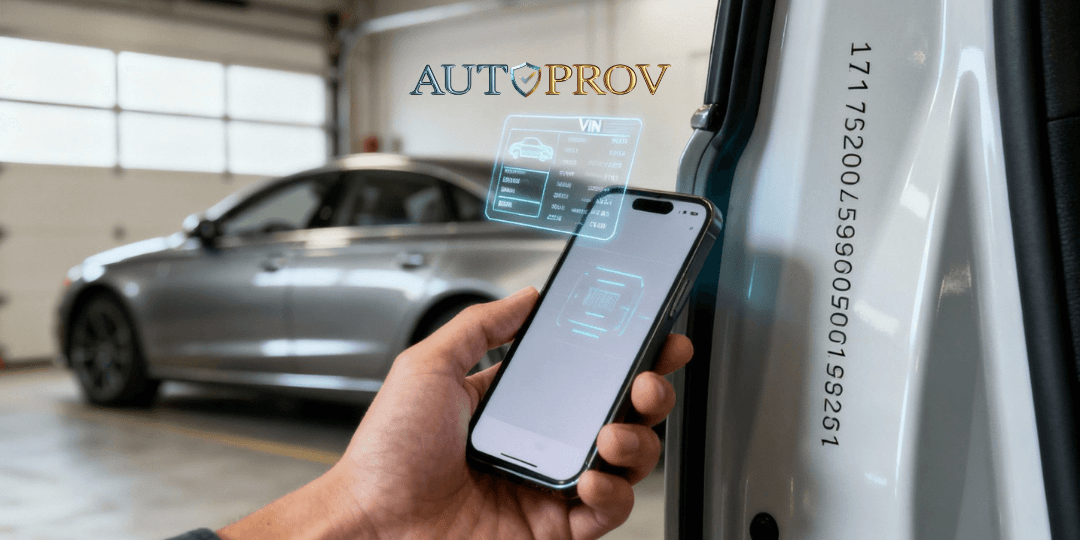
A Guide to Vehicle Check with VIN Number
A vehicle check with vin number is easily the most important thing you can do before buying a used car. Think of it as your first line of defence—a quick, simple step that pulls back the curtain on a vehicle's past, protecting you from expensive mistakes, legal headaches, and downright dangerous cars.
Published by AutoProv
Your trusted source for vehicle intelligence