
Why checking every previous keeper matters for UK motor traders. Learn what keeper history reveals about vehicle provenance, risk, and compliance requirements.
By CiteFlow
Why Previous Keeper History Matters for Motor Traders
Checking all previous keepers provides critical intelligence about a vehicle's commercial history, usage patterns, and potential risk factors that basic checks cannot reveal. The number of keepers, the duration of each ownership period, and the type of keepers (private, company, fleet) directly affect vehicle desirability, pricing, and the likelihood of hidden issues. A vehicle with six keepers in three years signals fundamentally different risk compared to one with two keepers over the same period, regardless of whether both pass basic provenance checks.
For UK motor traders, keeper history forms part of your due diligence obligation under the Consumer Rights Act 2015. Misrepresenting keeper count or failing to disclose unusual ownership patterns can constitute a breach of the requirement to provide accurate pre-contract information. When a customer later discovers additional keepers you failed to identify, your position in any dispute becomes significantly weaker.
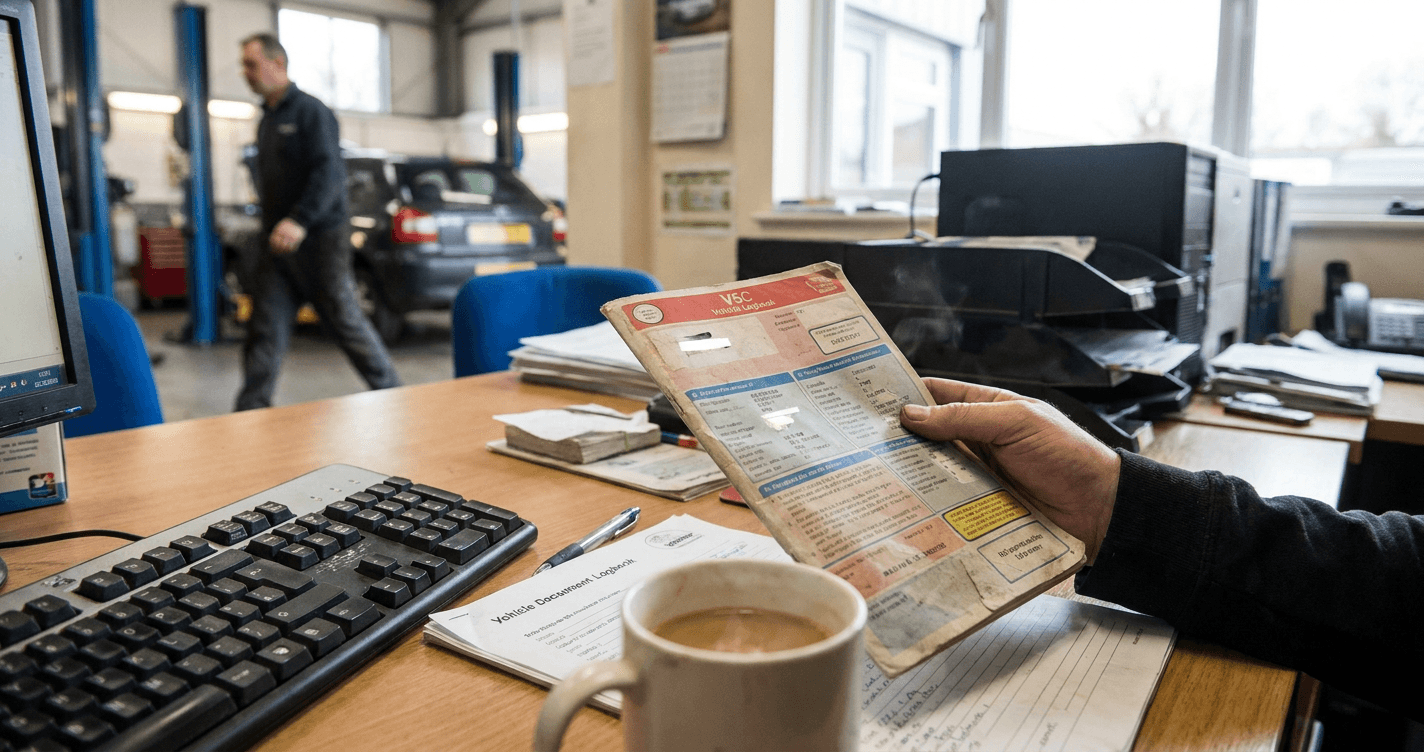
The DVLA V5C logbook shows the current keeper and may reference the previous one, but it does not provide a complete ownership timeline. Professional vehicle provenance reports aggregate DVLA keeper records with other data sources to construct the full ownership sequence, revealing patterns that individual documents cannot show.
What Keeper Count Actually Tells You
Keeper count serves as a proxy indicator for multiple risk factors. A high keeper count relative to vehicle age typically correlates with shorter ownership periods, suggesting dissatisfaction, recurring faults, or vehicles passed quickly through the trade. A 2019 vehicle with seven keepers has averaged less than eight months per keeper, a pattern inconsistent with normal private ownership.
Commercial keepers, fleet operators, and hire companies represent distinct risk categories. Former rental vehicles experience intensive use, multiple drivers with varying care standards, and maintenance schedules optimised for cost rather than longevity. Fleet vehicles may accumulate high mileage in short periods, particularly if used for motorway commuting or sales territories. Company car keepers often indicate higher specification vehicles but may also reflect intensive business use.
Keeper type affects both mechanical condition and market perception. A vehicle with three private keepers over five years will typically achieve stronger retail pricing than an identical vehicle with two fleet keepers over the same period, even when mileage and condition appear comparable. Buyers perceive private keeper history as lower risk, and this perception directly impacts days-to-sell and achievable margin.
Identifying Red Flags in Ownership Patterns
Certain ownership sequences indicate specific problems. A vehicle that alternates between trade and private keepers suggests it has been rejected or returned multiple times, cycling through dealers who cannot retail it successfully. When you see a pattern of 30-day or 60-day keeper periods, you are likely looking at a vehicle that has been through multiple rejections, possibly for faults that are intermittent or difficult to diagnose.
Rapid keeper changes immediately after major mileage milestones warrant scrutiny. A vehicle that changes hands within weeks of reaching 60,000 miles, 100,000 miles, or the end of a manufacturer warranty period may have developed expensive faults that the previous keeper chose not to repair. Cross-referencing keeper changes with MOT history and mileage records can reveal whether the vehicle failed an MOT or developed advisories immediately before being sold.
Geographic movement between keepers can indicate vehicles moved specifically to obscure history. A vehicle registered in Scotland, then Devon, then Newcastle, then Kent within 18 months shows a pattern inconsistent with normal ownership. While not definitive evidence of wrongdoing, such patterns justify additional scrutiny of provenance data and physical inspection.
How Keeper History Affects CRA 2015 Compliance
Under the Consumer Rights Act 2015, vehicles must be of satisfactory quality, fit for purpose, and as described. Keeper history directly impacts the "as described" requirement. If you advertise a vehicle as "two previous owners" when it actually has four previous keepers, you have misdescribed the vehicle regardless of whether the error was intentional.
The distinction between "owners" and "keepers" creates a common compliance trap. The registered keeper is not necessarily the legal owner, particularly for financed vehicles, company cars, or vehicles registered to a business but used by an individual. Marketing a vehicle as having "one owner" when it has had one private keeper but was previously a fleet vehicle registered to a leasing company is technically a misdescription, even though the private individual may have been the sole user.
Your pre-contract information obligations require you to provide accurate keeper history before the customer commits to the purchase. This applies equally to forecourt sales and distance sales. For distance sales, your digital distance sale pack must include accurate keeper information, as customers have enhanced cancellation rights and any misdescription strengthens their position if they choose to reject the vehicle.
When keeper history reveals information that affects desirability, such as previous hire or fleet use, you must disclose this. Failure to disclose material information that you know or should reasonably know constitutes a misleading omission under consumer protection regulations. The fact that the information is theoretically available through a vehicle check does not absolve you of the disclosure obligation.
Cross-Referencing Keeper Data with Other Intelligence
Keeper history gains analytical value when cross-referenced with other provenance data. A vehicle showing four keepers but only one MOT test suggests either incorrect DVLA records or a vehicle that spent significant time off-road, neither of which is reassuring. Conversely, a vehicle with three keepers and comprehensive digital service history from manufacturer databases across all ownership periods demonstrates consistent maintenance regardless of keeper changes.
Finance records provide context for keeper changes. A vehicle that shows a keeper change coinciding with a finance settlement may simply reflect a financed purchase being paid off and re-registered. A keeper change with outstanding finance still showing requires immediate investigation, as it may indicate a vehicle sold without settling the finance agreement, creating a security interest that travels with the vehicle.
Mileage progression between keeper periods reveals whether the vehicle experienced consistent use or periods of intensive mileage followed by storage. A vehicle showing 8,000 miles per year under keeper one, then 35,000 miles in eight months under keeper two, then 6,000 miles per year under keeper three has experienced dramatically different usage patterns. This variation affects wear patterns, component life expectancy, and the reliability of any single mileage figure as a condition indicator.
What Professional Checks Reveal About Keeper History
Basic vehicle checks typically report only the current keeper count as a single number. Professional trade intelligence reports provide keeper timeline data, showing when each keeper change occurred, the duration of each ownership period, and in many cases the keeper type (private, company, fleet, hire). This granular data enables pattern analysis that a simple keeper count cannot support.
Some provenance reports include keeper location data at postcode district level, revealing geographic movement between keepers. While full addresses are protected data, postcode districts provide sufficient information to identify unusual geographic patterns or confirm that a vehicle has remained in a consistent region, which correlates with lower risk of identity issues.
The most comprehensive vehicle provenance reports combine keeper history with write-off checks, finance verification, and stolen vehicle databases to identify whether keeper changes coincide with insurance events, finance defaults, or theft recovery. A keeper change immediately following an insurance write-off category indicates the vehicle was sold salvage and repaired, information that fundamentally affects value and disclosure requirements.
Common Keeper History Scenarios and Their Implications
A vehicle with one or two keepers over five years represents the lowest-risk profile, particularly when both keepers are private individuals with long ownership periods. This pattern suggests satisfaction with the vehicle, routine maintenance, and no major faults forcing disposal. Such vehicles typically command premium pricing and sell faster than comparable vehicles with more complex keeper histories.
Three to four keepers over five years falls within normal parameters for many vehicle types, particularly if keeper periods are relatively consistent. A pattern of 18 months, 24 months, 12 months suggests normal ownership cycles driven by changing circumstances rather than vehicle problems. When accompanied by service history spanning all keeper periods, this pattern presents acceptable risk.
Five or more keepers over three years indicates a problematic vehicle unless there is a clear explanation such as lease fleet rotation. Each keeper change represents a decision to dispose of the vehicle, and when these decisions cluster within short timeframes, the vehicle itself is the common factor. Such vehicles require intensive inspection and should be priced to reflect elevated risk.
Former hire or fleet vehicles with single keeper records can be deceptive. A vehicle showing "one previous keeper" that was a rental company may have been driven by hundreds of individuals over 18 months. While technically accurate, this keeper count does not reflect the vehicle's actual usage history. Professional traders distinguish between keeper count and user count when assessing former commercial vehicles.
Due Diligence Procedures for Keeper Verification
Verifying keeper history begins with the V5C logbook, which shows the current keeper and typically references the previous keeper in section 10. However, the V5C is not a document of title and can be falsified, lost, or incomplete. Cross-referencing the V5C against DVLA data through a professional vehicle check confirms whether the document matches official records.
When keeper count on the V5C conflicts with keeper count from provenance data, investigate before proceeding. Discrepancies may indicate a replacement V5C issued after the original was lost, with the new document not reflecting the full history. Alternatively, discrepancies may signal a cloned identity or a vehicle with confused DVLA records requiring resolution before retail sale.
For high-value stock or vehicles where keeper history appears unusual, consider requesting supporting evidence from the seller. Service invoices, insurance documents, or previous MOT certificates in the seller's name confirm they were the actual keeper during the claimed period. While not always available, such documentation strengthens provenance when keeper history is a selling point.
Finding previous owners of a vehicle for verification purposes has legal constraints. DVLA does not release keeper details to motor traders for commercial purposes, and approaching previous keepers without lawful basis may breach data protection regulations. Your due diligence focuses on verifying the accuracy of keeper records, not contacting previous keepers directly.
How Keeper History Affects Pricing and Stock Decisions
Keeper history directly impacts retail pricing expectations and achievable margins. Market data shows that vehicles advertised with one or two keepers achieve 3-8% higher retail prices than comparable vehicles with four or more keepers, controlling for age, mileage, and condition. This premium reflects buyer perception of risk and desirability, regardless of whether the perception is fully justified by actual condition.
When acquiring stock, keeper history should inform your maximum bid or offer price. A vehicle with complex keeper history requires a larger margin buffer to absorb longer days-to-sell and potential price reductions. If comparable vehicles with simpler keeper histories are available at similar money, the lower-risk option typically represents better stock turn potential.
Some keeper patterns create retail opportunities despite elevated risk. A vehicle with multiple keepers but comprehensive manufacturer service history and clear provenance may be undervalued by sellers who focus only on keeper count. When you can verify that the keeper changes resulted from circumstances rather than vehicle problems, such stock can be acquired below market and retailed at normal pricing to informed buyers.
Keeper history affects your compliance documentation requirements. Vehicles with unusual keeper patterns require more detailed pre-contract disclosure and more comprehensive responses to customer questions. Your dispute response preparation should address keeper history proactively, particularly when the count is higher than typical for the vehicle age.
Technology and Data Sources for Keeper Verification
Professional vehicle intelligence platforms aggregate DVLA keeper data with additional sources to provide comprehensive ownership timelines. The DVLA database provides the authoritative record of registered keepers, including keeper change dates and, in some cases, keeper type classifications. This data forms the foundation of any reliable keeper history report.
Experian Autocheck and similar services combine DVLA keeper records with insurance industry data, finance company records, and auction house information to identify keeper types and ownership contexts. When a vehicle has been a fleet car, hire vehicle, or police car, these classifications typically appear in comprehensive provenance reports, providing context that raw keeper count cannot convey.
DVSA MOT history data provides independent verification of keeper timeline accuracy. Each MOT record includes the test date and recorded mileage, creating a timeline that should align with keeper change dates. Significant mileage jumps or gaps in MOT history between keeper changes may indicate periods of storage, export, or off-road use that affect condition assessment.
Manufacturer service history databases increasingly include service booking details that reference the customer who authorised the work, providing independent confirmation of who was using the vehicle at specific dates. While this data does not always align perfectly with DVLA keeper records, particularly for company cars, it provides corroborating evidence of ownership timeline and vehicle usage.
Frequently Asked Questions
AI-Generated Content Notice
This article was created with the assistance of artificial intelligence technology. While we strive for accuracy, the information provided should be considered for general informational purposes only and should not be relied upon as professional automotive, legal, or financial advice. We recommend verifying any information with qualified professionals or official sources before making important decisions. AutoProv accepts no liability for any consequences resulting from the use of this information.
From our AI insights
- Leveraging Auction Data for Strategic Car Purchases
Discover how to use auction data effectively to make profitable car buying decisions.
- Auction Pitfalls: Avoiding Costly Mistakes
Navigate UK car auctions with confidence by avoiding finance, write-off, and mileage risks.
- Mastering Paint Code Checks: Detecting Hidden Car Repairs
Discover how to use paint code verification to identify hidden car repairs and ensure a smarter purchase.
Related Articles

Your Ultimate Guide to Buying a Used Car in the UK
Navigate the UK used car market with confidence using our comprehensive buying guide. Tips, checks, and AutoProv Provenance insights included.

Difference Between MOT and Service: What You Need to Know
An MOT is a mandatory legal inspection that every car on UK roads needs to pass.Think of it as the government's way of ensuring your vehicle meets the absolute minimum safety and environmental standards to be considered roadworthy. A service, on the other hand, is a completely different beast. It's the proactive maintenance routine recommended by the people who built your car, designed to keep it running smoothly and catch problems before they start. In short, an MOT is a pass-or-fail exam required by law. A service is a comprehensive health plan for your car.
Your Ultimate Used Car Inspection Checklist
A solid used car inspection checklist is the single most powerful tool you have to avoid buying a lemon. It gives you a methodical way to look past the shiny paint and assess a car's real condition, helping you spot hidden problems and get a fair price before you shake hands on the deal.
Published by AutoProv
Your trusted source for vehicle intelligence
