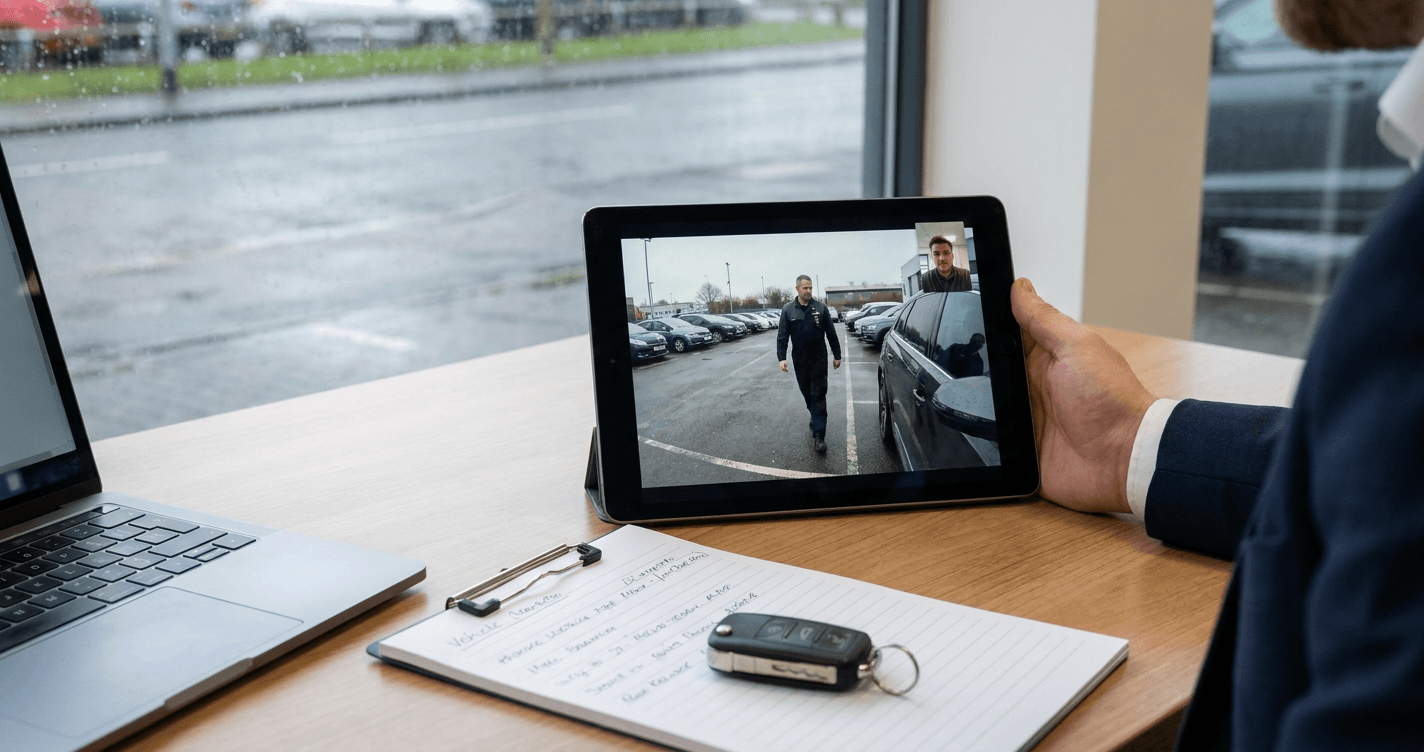
Professional remote vehicle appraisal techniques for UK motor traders. Learn how to conduct thorough distance assessments, verify provenance, and protect your dealership.
By CiteFlow
What Makes a Remote Vehicle Appraisal Effective
Effective remote vehicle appraisal combines comprehensive digital data verification with structured visual documentation and clear communication protocols. Professional motor traders need to replicate the rigour of physical inspection through layered verification: cross-referencing multiple data sources, obtaining detailed photographic evidence following standardised sequences, and establishing seller accountability through documented disclosure requirements. The difference between a robust remote appraisal and a risky one lies in systematic process rather than individual checks.
Remote appraisal has shifted from emergency workaround to standard practice for many UK dealers. Distance purchases from auction houses, trade-to-trade transactions, and customer part-exchanges now routinely happen without physical inspection. The risk profile changes when you cannot walk around a vehicle, but the fundamentals of due diligence remain constant. You still need to verify provenance, assess condition accurately, and protect your business from mis-described stock.
The challenge is replicating tactile inspection through digital means. You cannot feel paint texture or hear suspension noises remotely. What you can do is build a verification framework that catches the issues most likely to knock deals sideways: hidden finance, undisclosed damage, mileage discrepancies, and specification errors. Most remote appraisal failures trace back to incomplete data gathering rather than inherent limitations of distance assessment.
Digital Provenance Verification as Foundation
Start every remote appraisal with comprehensive digital provenance checks before requesting visual documentation. A vehicle provenance report combining DVLA records, MOT history, finance verification, and insurance database checks establishes the factual baseline against which all other information is measured. This sequence matters because provenance data reveals discrepancies that should inform your visual inspection requirements.
Finance checks must complete before you commit to any transaction. Outstanding finance remains the single biggest hidden risk in remote purchases, and it is entirely preventable through proper verification. Check against the finance register, not just seller declarations. The difference between a clear finance check and a verbal assurance is the difference between protected and exposed.
MOT history provides your mileage verification timeline and reveals patterns of use, maintenance, and damage. Look for mileage progression consistency, advisory patterns that suggest deferred maintenance, and failure histories that indicate component wear. A vehicle showing brake advisory notices across multiple consecutive MOTs tells you something about both the car and the previous keeper's maintenance approach.
Insurance database checks catch write-off history that sellers conveniently forget to mention. Category S and N vehicles are not automatically bad stock, but undisclosed structural or cosmetic damage absolutely is. The issue is not the repair history itself but the mis-description and the questions it raises about what else has not been disclosed.
Structured Visual Documentation Requirements
Establish a standardised photo sequence that every remote appraisal must follow. Consistency allows you to spot gaps and compare vehicles against your baseline expectations. Require specific angles, lighting conditions, and detail shots rather than accepting whatever the seller chooses to send. Your photo specification should include full exterior views from each corner, close-ups of all panels and shut lines, interior cabin shots showing all seating positions and trim condition, boot and storage areas, engine bay, and underside where accessible.
Panel gaps and paint finish reveal accident history more reliably than most sellers' memories. Request close-up shots of shut lines at doors, bonnet, and boot. Misaligned gaps, overspray on rubber seals, and colour variation between panels all indicate previous repair work. These details disappear in wide-angle marketing photos but show clearly in targeted close-ups.
Interior condition correlates strongly with overall vehicle care and helps verify mileage claims. Wear patterns on driver's seat bolsters, steering wheel, and pedal rubbers should match declared mileage. A vehicle showing 45,000 miles with heavily worn driver's seat and a polished steering wheel raises questions worth investigating.
Request video walkarounds for higher-value stock. Video captures details that still photos miss: how doors close, whether trim rattles, the sound of the engine starting. A 90-second walkaround video provides context that 20 static images cannot. The seller's commentary during the video often reveals information they would not volunteer in written description.
Verification Against Factory Specifications
Cross-reference seller descriptions against official factory build data before finalising any remote purchase. Mis-described specifications cost dealers money through incorrect pricing, customer disputes, and reputational damage. A vehicle build sheet check using OEM databases confirms exactly what left the factory, eliminating reliance on seller knowledge or V5C entries that may be incomplete.
Factory options significantly affect vehicle value but are frequently mis-described in remote sales. Leather seats, upgraded audio systems, driver assistance packages, and premium paint colours all command price premiums, but only if genuinely fitted. Sellers routinely confuse trim levels, assume options based on other features, or simply guess. Verify against build data, not descriptions.
Engine and transmission specifications must match factory records exactly. A vehicle advertised with a different engine size, fuel type, or gearbox than factory data shows represents either an error or something more concerning. These are not details that should be vague or approximate in professional trade transactions.
Manufacturer service history verification through digital databases provides independent confirmation of maintenance claims. Paper service books get lost, stamps get faked, and service histories get creatively described. Digital records from manufacturer databases show exactly what work was completed, when, where, and at what mileage. This matters for both vehicle condition assessment and for your ability to accurately describe the vehicle to your customers.
Establishing Seller Accountability and Disclosure
Create a formal disclosure checklist that sellers must complete as part of your remote appraisal process. Written declarations create accountability and provide evidence if disputes arise later. Your checklist should cover finance status, accident history, mechanical condition, warning lights, known faults, and service history. The act of signing a disclosure statement concentrates the mind wonderfully.
Document everything in writing. Phone conversations and verbal assurances evaporate when problems surface. Email confirmations, completed checklists, and written responses to specific questions create an evidence trail that protects your business. If a seller is unwilling to put statements in writing, that tells you something important about their confidence in those statements.
Specify your inspection rights and rejection criteria upfront. Make clear that your remote appraisal is provisional, subject to physical inspection confirming the documented condition. Define what constitutes material mis-description and what your response will be. This is not aggressive; it is professional clarity that protects both parties.
For higher-value purchases, consider commissioning independent third-party inspection. Mobile inspection services operate across the UK and can provide professional assessment for a fraction of the cost of buying a mis-described vehicle. The inspection cost is insurance, not overhead.
Remote Appraisal Tools and Technology
Digital tools designed specifically for trade remote appraisal streamline the process and reduce error risk. AutoProv's remote appraisal capture tools provide structured workflows that guide sellers through documentation requirements while giving dealers organised, consistent information for every vehicle. Structured data collection beats ad-hoc photo requests every time.
Video call inspections add real-time interaction to remote appraisal. Walking a seller through a vehicle via video call allows you to direct attention to specific areas, request additional angles immediately, and assess details that static photos miss. The seller's responses to your questions during a live call often reveal more than prepared written descriptions.
Cloud-based documentation systems keep all appraisal information organised and accessible. When you are assessing multiple vehicles remotely, scattered emails and phone photos create confusion and increase error risk. Centralised systems where all documentation, photos, data checks, and communications live in one place reduce mistakes and speed decision-making.
Market intelligence data informs whether a remote purchase makes commercial sense before you invest time in detailed appraisal. Vehicle valuations and market insights showing average days to sell and current market pricing help you assess whether the vehicle fits your stock profile and whether the asking price leaves adequate margin.
Risk Management in Distance Purchases
Quantify your maximum acceptable risk before beginning remote appraisal. Not every vehicle suits distance purchase, regardless of how thorough your appraisal process. High-value prestige vehicles, older vehicles with complex mechanical systems, and anything with disclosed issues that require expert assessment may not be appropriate for remote acquisition. Know your limits.
Build contingency into your pricing for remote purchases. Even with thorough appraisal, distance buying carries higher risk than physical inspection. Your margin needs to accommodate the possibility of condition issues not visible remotely. If the numbers only work with zero contingency, the deal does not work.
Understand your legal position on rejection and returns. Consumer Rights Act provisions apply to business-to-consumer sales, but trade-to-trade transactions operate under different rules. Know what your rights are if the vehicle does not match the description provided during remote appraisal. Document everything to support potential rejection claims.
Indemnity protection through comprehensive vehicle checks provides financial backstop against hidden issues. Experian indemnity covering finance and stolen vehicle risks means that even if something slips through your appraisal process, you have recourse. This is not a substitute for thorough checking, but it is sensible risk management.
Common Remote Appraisal Failures and How to Avoid Them
Incomplete data verification causes more remote appraisal failures than any other single factor. Dealers skip steps under time pressure, rely on partial information, or accept seller assurances without independent verification. Every shortcut you take in the appraisal process increases risk. Follow your process completely, every time, or do not buy remotely.
Poor quality or insufficient photographic documentation leads to condition surprises on collection. Accepting a handful of flattering photos instead of requiring comprehensive documentation is hoping, not appraising. Specify exactly what you need and do not proceed without it. If a seller cannot or will not provide adequate documentation, that is information in itself.
Failure to verify specifications against factory data results in mis-described stock entering your inventory. You then face the choice of absorbing the loss, mis-describing the vehicle to your customer, or returning it to the seller. All three options are worse than spending three minutes checking build data during appraisal.
Inadequate seller disclosure and accountability creates disputes when issues surface. Without written confirmations and completed disclosure checklists, disagreements about what was said or promised become unresolvable. Protect yourself with documentation, not memory.
Integrating Remote Appraisal into Stock Acquisition Workflow
Remote appraisal should complement physical inspection capability, not replace it entirely. Use distance assessment for appropriate vehicles and circumstances while maintaining physical inspection for complex or high-value stock. The question is not whether remote appraisal works but when it is the right tool for the specific situation.
Standardise your remote appraisal process so it becomes routine rather than exceptional. Create checklists, templates, and workflows that guide your team through consistent appraisal regardless of who is conducting it. Consistency reduces errors and builds competence across your operation.
Train your team on remote appraisal techniques and tools. The skills required for effective distance assessment differ from physical inspection. Understanding what to look for in photos, how to interpret data sources, and how to structure seller communication all require specific knowledge. Investment in training pays back through better buying decisions.
Review your remote appraisal outcomes regularly to identify patterns and improve your process. Track which issues you missed, which data sources proved most valuable, and which sellers provided accurate information. Continuous improvement based on actual results makes your appraisal process progressively more effective.
FAQs
Can remote vehicle appraisal be as reliable as physical inspection?
Remote appraisal can achieve comparable reliability to physical inspection for specific vehicle types and conditions when conducted systematically. The key is comprehensive data verification combined with structured visual documentation. For standard used vehicles with clear provenance and no disclosed issues, properly executed remote appraisal catches the majority of deal-breaking problems. However, complex mechanical issues, subtle accident damage, and certain condition assessments still benefit from physical inspection. The question is not whether remote appraisal is perfect but whether it provides sufficient risk reduction for the specific transaction.
What are the minimum data checks required for safe remote purchase?
Minimum safe remote purchase requires finance verification, insurance database check for write-off history, MOT history review for mileage verification, and factory specification confirmation. These four checks catch the issues most likely to create serious problems: outstanding finance, undisclosed structural damage, clocked mileage, and specification mis-description. Anything less leaves you exposed to preventable risks. Additional checks such as manufacturer service history verification and market intelligence add value but these four form the non-negotiable baseline.
How do you verify vehicle condition from photographs alone?
Verifying condition from photographs requires standardised documentation sequences that capture specific diagnostic details. Request close-ups of panel gaps and shut lines to identify accident repairs, interior wear patterns to confirm mileage claims, and detail shots of known problem areas for the specific model. Compare what you see against both the seller's description and your expectations for the vehicle's age and mileage. Inconsistencies between different photos, between photos and descriptions, or between condition and declared history all warrant further investigation. Video walkarounds add context that static images cannot provide.
What legal protections exist for dealers buying vehicles remotely?
Legal protections for trade-to-trade remote purchases depend on the terms agreed between parties and the accuracy of descriptions provided. Unlike consumer purchases, business-to-business transactions do not benefit from Consumer Rights Act protections. Your protection comes from documented seller disclosures, clear rejection criteria specified upfront, and evidence that the vehicle does not match the description provided. This is why written confirmations and completed disclosure checklists matter. For finance and stolen vehicle risks, indemnity protection through your vehicle check provider offers additional financial protection.
Should dealers use third-party inspection services for remote purchases?
Third-party inspection services provide valuable independent assessment for higher-value remote purchases or when buying from unfamiliar sources. The inspection cost, typically between £100-£200, is small relative to the risk of buying a mis-described vehicle worth thousands. Use independent inspection when the vehicle value justifies the cost, when you lack confidence in the seller's disclosure, or when the vehicle has disclosed issues requiring expert assessment. For routine trade-to-trade purchases of standard stock from known sources, comprehensive data verification and structured photo documentation may provide sufficient risk management without third-party inspection.
Frequently Asked Questions
AI-Generated Content Notice
This article was created with the assistance of artificial intelligence technology. While we strive for accuracy, the information provided should be considered for general informational purposes only and should not be relied upon as professional automotive, legal, or financial advice. We recommend verifying any information with qualified professionals or official sources before making important decisions. AutoProv accepts no liability for any consequences resulting from the use of this information.
From our AI insights
- Navigating UK Grey Imports: A Trader's Guide
Understand the complexities and opportunities of UK grey imports for savvy motor traders.
- Uncovering the Real Costs of Vehicle Intelligence Services
Discover hidden fees and data quality issues in vehicle intelligence services.
- Decoding UK Auction Vehicle Histories
Understand how to assess UK auction vehicle histories and uncover hidden risks.
Related Articles

Essential Vehicle Checks Before Buying a Used Car
Learn essential checks to ensure your used car purchase is safe and sound in the UK market.

Why a Provenance Check is Essential for Used Car Buyers
Ensure your used car is a smart investment by understanding the importance of a provenance check and how AutoProv can help.
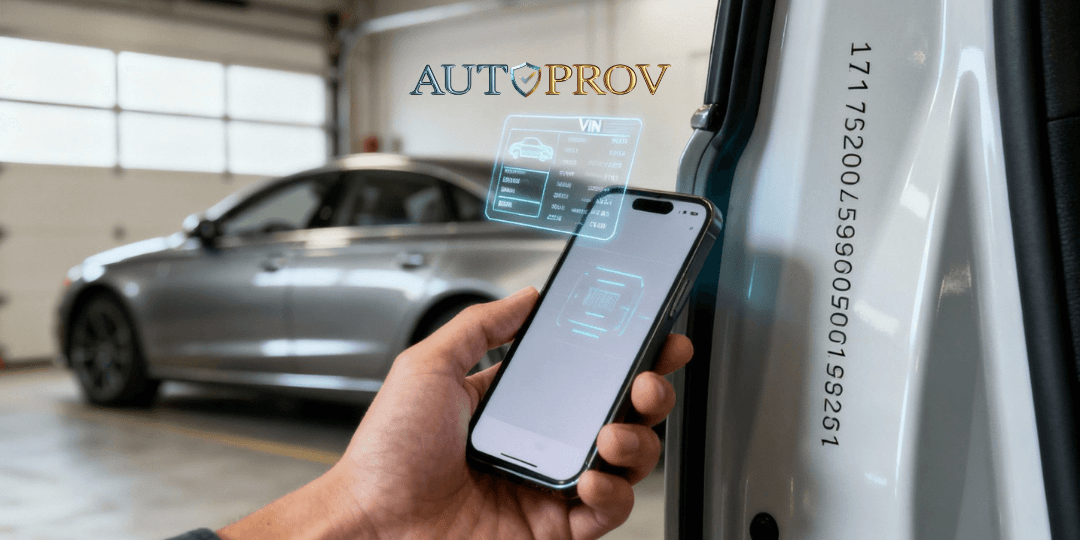
A Guide to Vehicle Check with VIN Number
A vehicle check with vin number is easily the most important thing you can do before buying a used car. Think of it as your first line of defence—a quick, simple step that pulls back the curtain on a vehicle's past, protecting you from expensive mistakes, legal headaches, and downright dangerous cars.
Published by AutoProv
Your trusted source for vehicle intelligence