
Discover crucial safety checks for used cars in the UK to ensure your vehicle is safe and reliable.
Buying a used car in the UK can be a daunting experience, especially when it comes to ensuring the safety of the vehicle. With numerous options available, it is crucial for buyers to be informed about the essential safety features and checks that should be performed before making a purchase.
The Importance of Vehicle Specifications
When considering a used car, checking the vehicle specifications is paramount. This includes understanding the car’s safety features, performance ratings, and compliance with UK regulations.
Key Specifications to Look For:
- Euro NCAP Ratings: The European New Car Assessment Programme (Euro NCAP) provides safety ratings based on crash tests. Look for cars with high ratings.
- Airbags: Ensure the vehicle is equipped with multiple airbags, including front, side, and curtain airbags.
- ABS and ESC: Anti-lock Braking Systems (ABS) and Electronic Stability Control (ESC) are critical for maintaining control during emergency braking.
- Child Safety Features: If you have children, check for ISOFIX points for secure child seat installation.
Checking the Build Sheet
Requesting the build sheet is an essential step in verifying the specifications of the used car. The build sheet provides detailed information about the car's original equipment and features.
What to Find in a Build Sheet:
- Original Safety Equipment: Confirm that the car has all the safety features listed, such as advanced driver assistance systems (ADAS).
- Service History: Review the car’s service history for any safety-related repairs or recalls.
- Modifications: Check for any modifications that may affect safety, such as aftermarket parts.
Conducting a Comprehensive Safety Check
Before finalising your purchase, conducting a comprehensive safety check is vital. Here are steps to take:
1. Examine the Exterior and Interior
Look for any signs of damage, rust, or poorly repaired areas that could indicate previous accidents. Inspect the condition of seatbelts, airbags, and dashboard warning lights.
2. Test Drive
A test drive is essential to assess the vehicle’s performance, braking, and handling. Pay attention to any unusual noises or vibrations.
3. Obtain a Vehicle History Report
Using the car’s registration number, obtain a vehicle history report from the DVLA to check for outstanding finance, previous accidents, or insurance write-offs.
Legal Requirements and Compliance
In the UK, certain legal requirements must be met to ensure a vehicle is roadworthy and safe:
MOT Testing
All cars over three years old must pass an annual MOT test to ensure they meet road safety and environmental standards.
Road Tax and Insurance
Ensure the vehicle is properly taxed and insured. Driving without valid insurance is illegal and can result in hefty fines.
Insurance Considerations
When purchasing a used car, consider the insurance implications. Cars with higher safety ratings generally attract lower insurance premiums. Compare quotes from different insurers to find the best coverage.
In conclusion, ensuring vehicle safety when purchasing a used car in the UK is a critical consideration. By checking vehicle specifications and the build sheet, conducting thorough safety checks, and understanding legal requirements, buyers can make informed decisions and enjoy peace of mind on the road.
Frequently Asked Questions
AI-Generated Content Notice
This article was created with the assistance of artificial intelligence technology. While we strive for accuracy, the information provided should be considered for general informational purposes only and should not be relied upon as professional automotive, legal, or financial advice. We recommend verifying any information with qualified professionals or official sources before making important decisions. AutoProv accepts no liability for any consequences resulting from the use of this information.
From our AI insights
- Managing Takata Recall Liability: A Trader’s Guide
Explore how UK traders can manage liability for Takata airbag recalls effectively.
- Advanced Airbag and Safety Recall Checks for UK Traders
Ensure safety compliance with advanced airbag and recall checks for UK motor traders. Protect your stock and clients.
- Navigating the A2 Motorcycle Test: Risks & Regulations
Understand A2 motorcycle test rules, vehicle restrictions, and provenance risks to accurately value your stock.
Related Articles
A Motor Trader's Guide to the Vehicle Recall Check UK
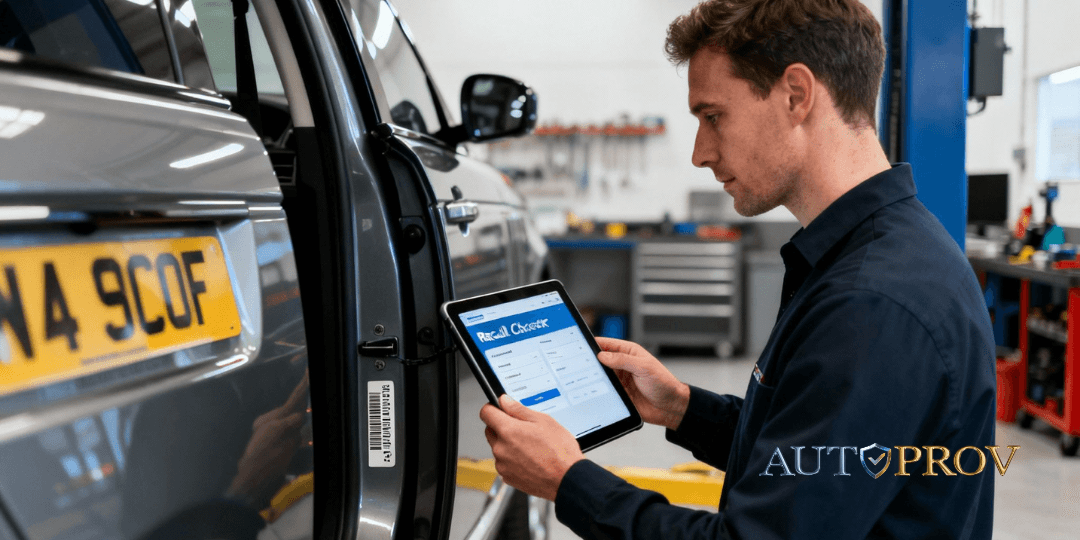
Performing a vehicle recall check in the UK is an absolutely critical step for any motor trader. It’s not just paperwork; it’s about safeguarding your business, your reputation, and most importantly, your customers.
Minimum Tyre Tread Depth UK: A Guide for the Motor Trade
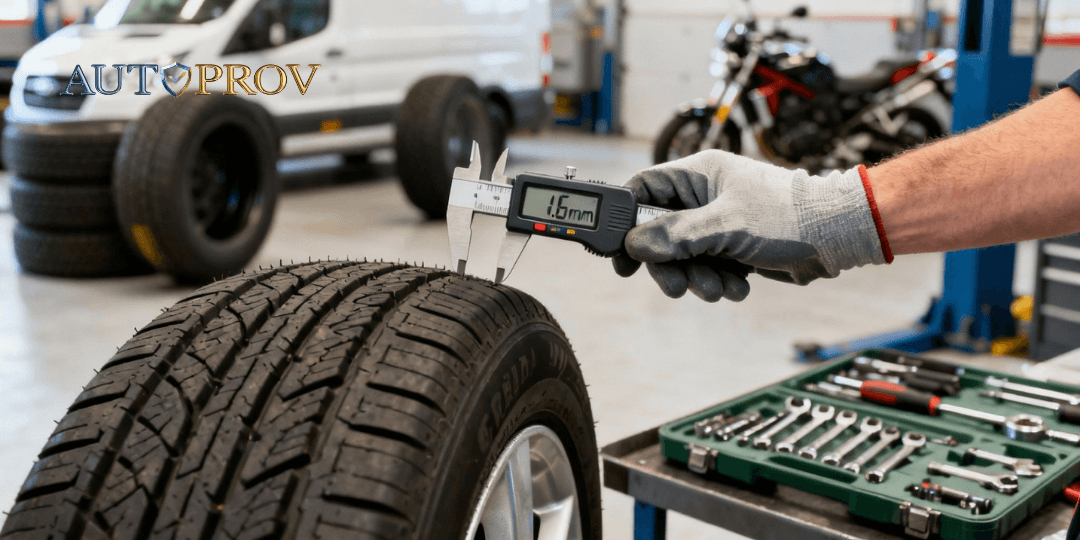
For anyone in the UK motor trade, one number should be front and centre in your mind: 1.6mm. That’s the legal minimum tyre tread depth. But it's so much more than a statistic—it’s a figure that has a direct line to your business's reputation, its legality, and ultimately, its bottom line. Getting this wrong isn't an option.

Cars Safety Ratings: Master Car Safety Ratings
Two cars roll through the same auction lane. Similar age. Similar mileage. Similar guide price. One carries a five-star Euro NCAP result from 2019. The other shows four stars from 2024. If you treat cars safety ratings as a simple hierarchy, the older car looks like the safer buy.
Published by AutoProv
Your trusted source for vehicle intelligence