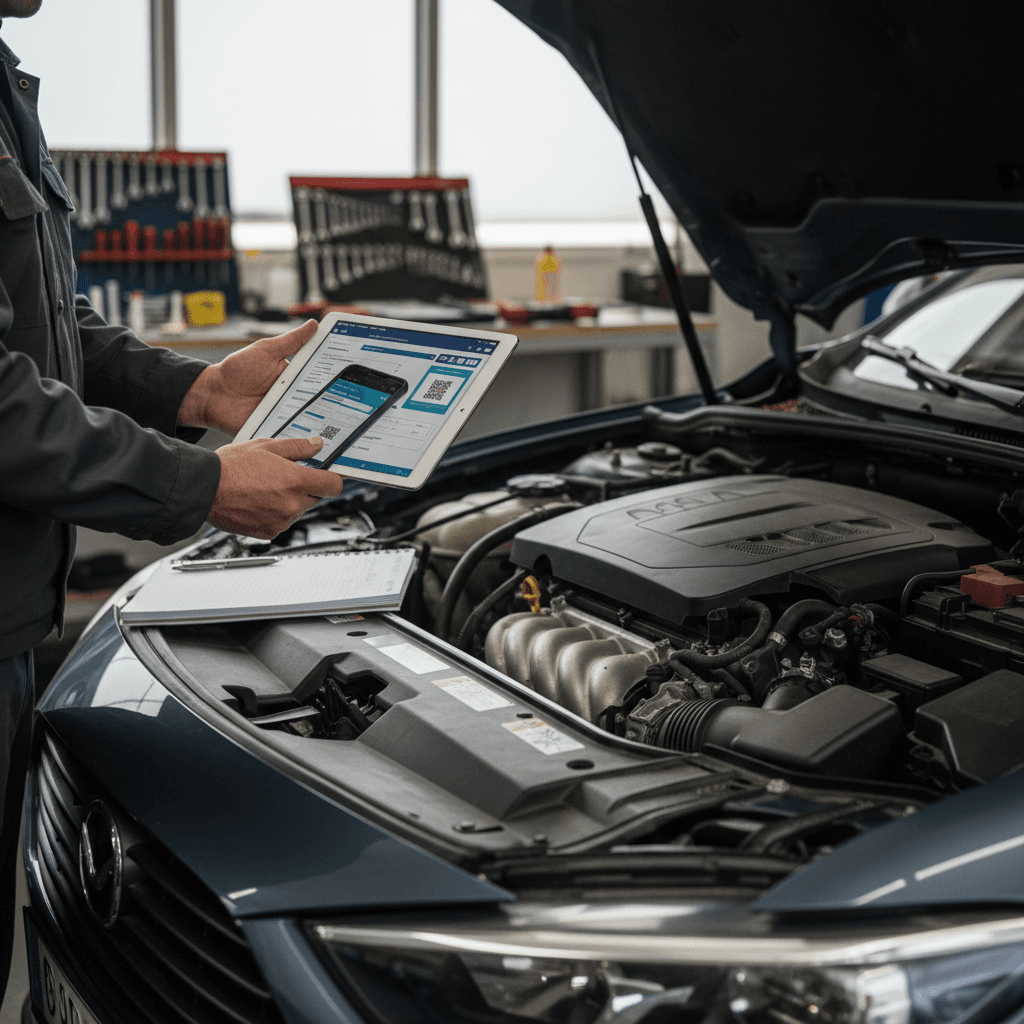
Learn how UK motor traders can identify Cat S and Cat N write-offs before purchase using insurance databases, MOT patterns, and provenance checks.
Why Cat S and Cat N Detection Matters for Motor Traders
Cat S and Cat N write-offs are identified through insurance database checks that reveal salvage markers recorded when insurers classify accident-damaged vehicles as total losses. These categories replaced the old Cat C and Cat D classifications in 2017, with Cat S indicating structural damage and Cat N covering non-structural damage. Both remain roadworthy after repair, but undisclosed write-off history creates significant legal and commercial risks for dealers under the Consumer Rights Act 2015.
The financial exposure is substantial. A vehicle purchased without write-off disclosure can trigger customer rejection rights, force refunds, and expose you to Trading Standards action. Structural repairs affect resale values by 20-40% compared to clean history equivalents. More critically, you cannot legally sell a Cat S or Cat N vehicle without explicit disclosure, regardless of repair quality.
Insurance databases update continuously as claims settle. A vehicle showing clean history at auction might carry a fresh marker by the time it reaches your forecourt. This timing gap makes pre-purchase verification essential, not optional.
Understanding the Cat S and Cat N Classification System
Cat S vehicles have sustained structural damage to the chassis, crux, or load-bearing components. Insurers deem repair costs uneconomical relative to pre-accident value, but the vehicle can return to the road after professional structural repair and re-inspection. The salvage marker remains permanently on the insurance database.
Cat N covers non-structural damage, typically cosmetic bodywork, electrical systems, or mechanical components that do not affect the structural integrity. These vehicles also exceeded economic repair thresholds but require no formal re-inspection before returning to service. The marker persists for the vehicle's lifetime.
Both categories differ fundamentally from Cat B vehicles, which must be crushed and cannot return to roads. Understanding these distinctions prevents confusion when evaluating salvage data, particularly at auction where terminology varies.
The economic repair threshold varies by insurer and vehicle value. A minor front-end collision might write off a ten-year-old hatchback as Cat N while an identical impact on a two-year-old premium model results in repair. This creates market anomalies where relatively minor damage triggers salvage classification on older, lower-value stock.
Step 1: Run Comprehensive Insurance Database Checks
Start every vehicle assessment with a provenance check that queries all major insurance databases, including the Motor Insurance Anti-Fraud and Theft Register (MIAFTR) and insurer loss records. These databases aggregate write-off classifications from UK insurers and record salvage markers against VIN and registration combinations.
Timing matters. Run checks immediately before purchase commitment, not days earlier. Insurance markers can appear between initial interest and final transaction as claims settle and insurers update records. A 48-hour gap creates exposure.
Verify the check covers current and historical markers. Some vehicles carry multiple write-off events, particularly if returned to service after Cat N classification and subsequently damaged again. Each event compounds risk and reduces market value.
AutoProv aggregates insurance data from Experian and specialist salvage registers within its standard provenance reports, eliminating the need to query multiple platforms separately. The system flags any write-off markers alongside finance, theft, and mileage verification in a single query.
Step 2: Analyse MOT History for Damage Indicators
MOT records provide forensic evidence of accident damage through advisory notes, failure items, and structural observations recorded by independent testers. These records persist even after repairs, creating an audit trail that insurance databases might not capture if damage never reached claim threshold.
Search MOT history for specific language: "accident damage", "structural corrosion", "chassis damage", "suspension mounting points", or "body structure corroded". Testers record observations even when vehicles pass, and these advisories often predate formal write-off classification.
Compare MOT mileage progression against service records and HPI data. Significant gaps or irregular patterns often correlate with off-road periods during salvage repair. A vehicle showing consistent annual tests that suddenly disappears for 18 months before reappearing with fresh MOT raises immediate questions.
Repair quality appears in subsequent MOT records. Poor structural work generates recurring advisories about suspension geometry, wheel alignment, or body mounting integrity. These patterns help identify vehicles with substandard repair work that might pass initial inspection but create warranty exposure.
Step 3: Cross-Reference Multiple Data Sources
No single database captures every write-off. Insurers update records at different intervals, salvage auctions maintain separate registers, and some private sales bypass formal classification entirely. Comprehensive verification requires cross-referencing insurance data against DVLA records, finance checks, and salvage auction histories.
DVLA V5C documents sometimes show keeper changes that correlate with salvage events. A vehicle passing through salvage specialists, repair centres, or known write-off traders between private keepers suggests undisclosed damage. The V5C itself carries no write-off marker, but keeper history provides context.
Finance checks reveal whether the vehicle was subject to insurance payout. Outstanding finance on a vehicle with recent total loss classification indicates the insurer settled with the finance house, a pattern typical of write-off scenarios. The absence of finance after years of HP agreements sometimes signals insurance settlement.
AutoProv combines data from 10 sources including Experian, DVLA, DVSA MOT records, and finance verification in single reports. This aggregation identifies discrepancies between databases, such as insurance markers appearing in one register but not others, which warrants further investigation.
Step 4: Verify Repair Quality and Documentation
Cat S vehicles require structural repair certification before returning to service, but enforcement varies and documentation quality differs significantly between repairers. Request copies of repair invoices, engineer reports, and any certification from qualified structural repair specialists.
Inspect repair areas physically. Structural repairs should show consistent welding, proper seam sealer application, and paint finish matching surrounding panels. Mismatched paint, overspray on adjacent components, or visible welding inside the cabin indicates hasty or amateur work.
Cat N vehicles need no formal certification, creating higher risk of substandard repairs. Electrical damage in particular generates recurring faults that appear months after purchase, triggering warranty claims and customer disputes. Test all electrical systems thoroughly, particularly airbag circuits, ABS sensors, and infotainment systems on vehicles with front-end damage history.
Photographic evidence from insurance assessments occasionally surfaces through salvage auction listings or previous advertisements. Search online using the VIN and registration to identify historical listings that might show pre-repair condition. These images provide objective evidence of damage extent.
Step 5: Assess Commercial Viability and Disclosure Requirements
Calculate the commercial impact before purchase. Cat S and Cat N markers reduce retail values by 20-40% compared to clean equivalents, with structural damage carrying heavier penalties. Factor this reduction into your purchase price, reconditioning costs, and target margin.
Consider your customer base. Some buyers actively seek Cat N vehicles for budget purchases and accept the history when properly disclosed. Cat S vehicles face greater market resistance, particularly from finance companies that restrict lending on structural write-offs.
Prepare compliant disclosure documentation before listing. The Consumer Rights Act 2015 requires clear, prominent disclosure of write-off history. Generic "sold as seen" clauses provide no protection. Your listing descriptions, forecourt displays, and sales documentation must explicitly state the salvage category and damage nature.
AutoProv's compliance tools include templates for documenting write-off disclosure in Distance Sale Packs and generating legally compliant vehicle descriptions that satisfy CRA 2015 requirements. These templates reduce rejection risk by ensuring customers receive proper notice before purchase.
Red Flags That Indicate Undisclosed Write-Offs
Multiple keeper changes within short periods often correlate with salvage history, particularly when vehicles pass through trade addresses between private keepers. A car showing four keepers in two years warrants immediate suspicion.
Recent resprays or body repairs on older vehicles sometimes mask accident damage. Paint thickness gauges reveal recent work, but correlation with insurance timelines confirms whether repairs relate to declared incidents or undisclosed damage.
Inconsistent service history creates gaps that align with off-road repair periods. A vehicle with regular dealer servicing that suddenly switches to independent garages or shows no service records for 12-18 months might have been off the road during salvage repair.
VIN plate condition and fixings provide physical evidence. Replaced VIN plates, mismatched rivets, or disturbed mounting points suggest chassis work that might relate to structural damage. Compare VIN plate details against DVLA records to confirm authenticity.
The Role of Provenance Reports in Write-Off Detection
Comprehensive provenance reports aggregate insurance markers, salvage registers, and historical data into single queries that eliminate the need for multiple platform checks. This consolidation reduces verification time from 20 minutes across several websites to under 60 seconds per vehicle.
Experian indemnity protection, included with AutoProv reports up to £50,000, provides financial recourse if database errors result in missed write-off markers. This indemnity covers your purchase price exposure when acting on report data, though it does not eliminate the need for physical inspection.
Digital service history verification through manufacturer databases adds another verification layer. Official service records from 44 manufacturer systems show whether vehicles disappeared from dealer networks during periods that might correlate with salvage repair, providing independent confirmation of keeper-reported history.
Market intelligence within provenance reports helps assess commercial viability. Days-to-sell data for Cat S and Cat N vehicles in your region shows realistic turnover expectations, while valuation tools account for write-off markers when calculating trade and retail prices.
Legal Obligations When Selling Cat S and Cat N Vehicles
The Consumer Rights Act 2015 requires goods to match their description and be of satisfactory quality. Selling a Cat S or Cat N vehicle without explicit disclosure breaches these requirements, giving customers rejection rights for up to six months after purchase.
Your disclosure must be clear, prominent, and specific. Stating "some history" or "previously damaged" does not satisfy legal requirements. You must specify the salvage category, describe the damage nature, and confirm repair completion. Burying this information in small print or verbal-only disclosure provides no protection.
Distance sales under the Consumer Contracts Regulations 2013 require written disclosure before contract formation. Your website listings, email correspondence, and pre-purchase documentation must state write-off status explicitly. Customers discovering undisclosed markers after delivery gain automatic rejection rights.
Trading Standards actively investigates write-off non-disclosure. Enforcement actions include prosecution, fines, and trading prohibition orders. The reputational damage often exceeds financial penalties, particularly when cases attract local media coverage.
Frequently Asked Questions
AI-Generated Content Notice
This article was created with the assistance of artificial intelligence technology. While we strive for accuracy, the information provided should be considered for general informational purposes only and should not be relied upon as professional automotive, legal, or financial advice. We recommend verifying any information with qualified professionals or official sources before making important decisions. AutoProv accepts no liability for any consequences resulting from the use of this information.
Published by AutoProv
Your trusted source for vehicle intelligence