
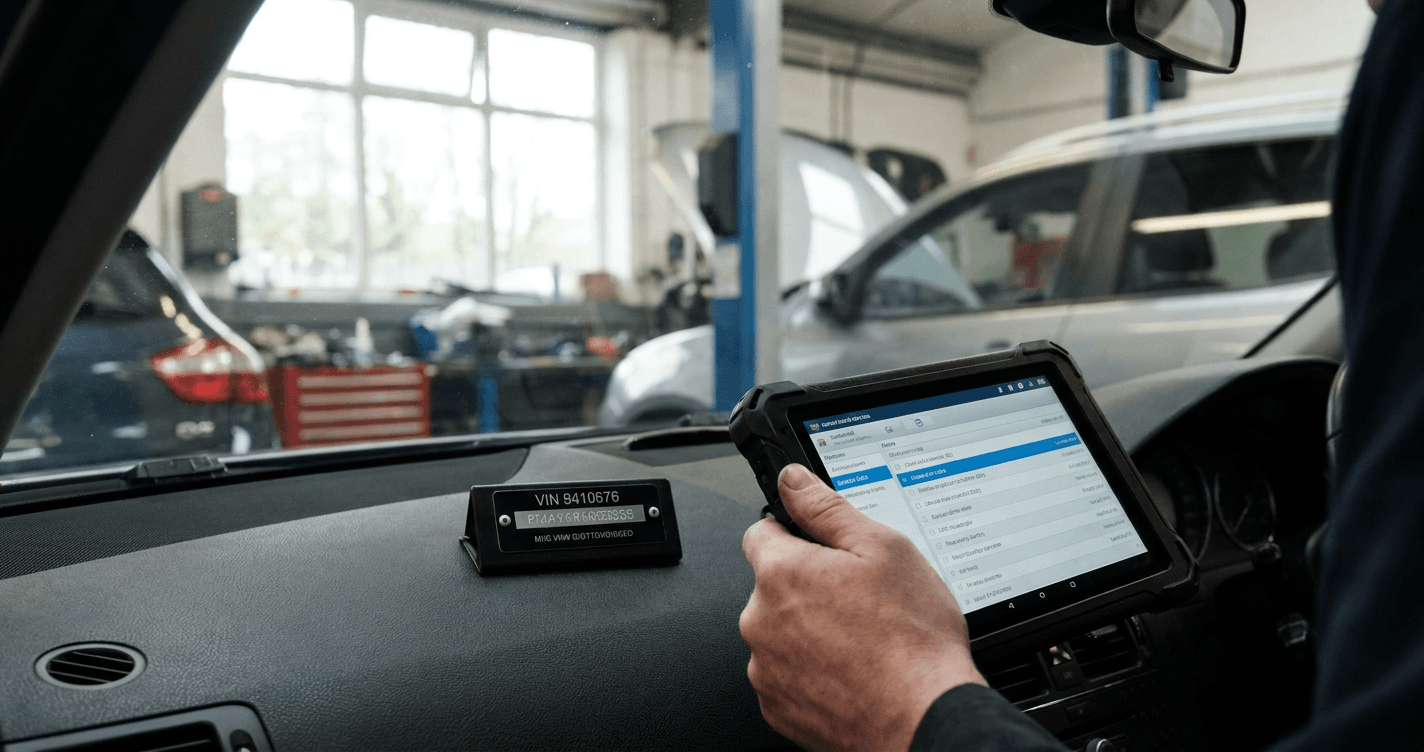
Understand the key differences between HPI and Experian vehicle data sources, what each covers, and why UK motor traders need both for comprehensive provenance checks.
By CiteFlow
What Is the Difference Between HPI and Experian Vehicle Data?
HPI and Experian are both vehicle data providers serving the UK motor trade, but they operate different databases with distinct coverage areas. HPI specialises in stolen vehicle registers, salvage records, and finance agreement data, whilst Experian provides credit-based finance checks, insurance write-off records, and keeper change information. Neither provider offers complete coverage alone, which is why professional vehicle provenance reports aggregate data from both sources alongside DVLA, DVSA, and manufacturer databases to deliver comprehensive intelligence.
The confusion between these two providers stems from their overlapping coverage in some areas and the historical dominance of HPI as a brand name. Many traders still use "HPI check" as shorthand for any vehicle history check, despite the fact that HPI data represents only a portion of the intelligence required for proper due diligence. Understanding what each provider actually covers, and where their data comes from, helps you assess whether your current checking process leaves gaps that could cost you money.
HPI Data Sources and Coverage
HPI maintains several proprietary databases built over decades of data collection from insurers, finance houses, and police forces. Their stolen vehicle register contains records submitted by UK police forces, whilst their salvage database aggregates write-off notifications from insurance companies. HPI's finance database includes hire purchase and lease agreements reported by finance providers, though coverage depends entirely on which lenders choose to share data with HPI.
The strength of HPI data lies in its historical depth and the relationships HPI has built with insurers and finance companies. Their salvage records often include damage categories (Cat S, Cat N, Cat A, Cat B) and settlement dates that help you understand the severity and timing of previous incidents. However, HPI coverage is not exhaustive. Finance agreements with lenders who do not report to HPI will not appear, and stolen vehicle records depend on police forces submitting reports to the HPI register rather than relying solely on the Police National Computer.
HPI does not provide MOT history, DVLA keeper records, manufacturer service history, or factory build specifications. These data points require access to government databases and OEM systems that fall outside HPI's commercial relationships. This is why comprehensive vehicle checks require multiple data sources beyond HPI alone.
Experian Vehicle Data and Credit-Based Checks
Experian approaches vehicle data from a credit and insurance perspective, leveraging their position as one of the UK's three major credit reference agencies. Their vehicle data includes finance checks drawn from credit agreements, insurance write-off records from the Insurance Database of Motor Vehicles (IDMV), and keeper change information. Experian's finance coverage reflects their access to credit data across a broad network of lenders, though like HPI, coverage depends on lender participation.
Experian provides indemnity protection against data inaccuracies in their reports, with coverage levels varying by product. Experian indemnity typically covers financial loss resulting from incorrect data about outstanding finance, stolen status, or write-off records, subject to specific terms and conditions. This protection adds a layer of risk mitigation for dealers, though it does not eliminate the need for thorough checking, it simply provides recourse if Experian data proves incorrect.
Like HPI, Experian does not provide MOT history, manufacturer service records, or factory specifications. Their data focuses on credit, insurance, and keeper aspects of vehicle history. Experian also offers valuation data and market insights, drawing on transaction data and pricing models, though these sit alongside rather than replacing the core provenance checks.
Where HPI and Experian Data Overlap
Both HPI and Experian provide finance checks and write-off records, but they draw from different sources and networks. A vehicle with outstanding finance might appear on one system but not the other, depending on which lender holds the agreement and which data providers that lender reports to. Similarly, write-off records may differ between the two systems based on which insurers submitted data and when.
This overlap creates a false sense of redundancy. Traders sometimes assume that checking one source covers the same ground as checking the other, but in practice, each provider's database contains records the other lacks. A comprehensive check queries both HPI and Experian finance databases to maximise coverage across the UK lending market. The same applies to write-off records, where checking both sources reduces the risk of missing a salvage notification that only reached one database.
Stolen vehicle data presents another overlap area, though the sources differ. HPI maintains its own stolen register based on police and insurer submissions, whilst Experian may flag stolen status through insurance records. Neither replaces a direct check against the Police National Computer, which remains the authoritative source for stolen vehicle status.
What Neither HPI Nor Experian Can Tell You
MOT history comes directly from the DVSA, not from HPI or Experian. The complete record of test dates, mileage readings, advisories, and failure reasons sits in the government database, accessible through DVSA's official API. This data is critical for spotting clocked mileage and verifying the vehicle's maintenance trajectory, yet it requires a separate data connection beyond commercial providers.
Manufacturer service history lives in OEM databases maintained by brands like BMW, Mercedes-Benz, Volkswagen Group, and others. These records show dealer visits, service work performed, mileage at each visit, and warranty claims. Accessing this data requires direct integration with manufacturer systems, which neither HPI nor Experian provides. Digital service history verification has become essential for validating maintenance claims and identifying mileage discrepancies across dealer records.
Factory build specifications and original equipment lists come from manufacturer production databases. These records confirm what options and equipment the vehicle left the factory with, which is essential for identifying mis-described vehicles and spotting high-value options that affect pricing. Neither HPI nor Experian has access to OEM build data, making this another gap in single-source checks.
Why Professional Checks Combine Multiple Data Sources
The fragmented nature of UK vehicle data means no single provider offers complete coverage. HPI brings salvage and stolen records from their commercial networks. Experian adds credit-based finance checks and indemnity protection. DVSA provides authoritative MOT history. DVLA supplies keeper records and registration data. Manufacturers hold service history and build specifications. Each source fills gaps the others leave.
Professional vehicle provenance services aggregate these disparate sources into unified reports, querying ten or more databases to build comprehensive intelligence. This approach costs more than a basic HPI check but delivers coverage across finance, salvage, theft, MOT, service history, and specifications. The additional cost is negligible compared to the risk of buying a vehicle with hidden finance, undisclosed damage, or clocked mileage that a single-source check missed.
The trade-off between cost and coverage becomes clear when you consider the consequences. A £3 comprehensive check that queries both HPI and Experian finance databases, plus DVSA MOT records and manufacturer service history, costs less than the profit margin on most vehicles. A £1 basic check that only queries one finance source might save money per check but leaves you exposed to risks the cheaper service did not cover.
How Data Source Selection Affects Indemnity Protection
Indemnity protection only covers inaccuracies in the data the provider actually checked. If your vehicle check queries Experian but not HPI, and the vehicle has outstanding finance recorded only in HPI's database, Experian's indemnity will not cover your loss because Experian never claimed to have checked HPI's data. The same principle applies to any data source not included in the check.
This is why understanding what data sources power your checks matters for risk management. Indemnity protection provides valuable recourse when data proves incorrect, but it does not protect against gaps in coverage. A check that queries both HPI and Experian finance databases, backed by indemnity, offers broader protection than a check that only queries one source, even if both carry the same indemnity limit.
The indemnity terms themselves vary between providers and products. Some cover legal costs and consequential losses, whilst others only reimburse the vehicle's value up to the policy limit. Reading the actual indemnity terms, rather than assuming coverage, helps you understand what protection you actually have and where you still carry risk.
Practical Implications for Stock Acquisition
When you are standing at auction or viewing a private sale, the difference between HPI-only and multi-source checking becomes concrete. A basic HPI check might clear the vehicle for finance and salvage based on HPI's databases, but miss outstanding finance with a lender who only reports to Experian. It might show no write-off record in HPI's salvage database but miss a Cat N notification that only reached insurers reporting to the IDMV.
The MOT history, accessible only through DVSA data, might reveal mileage discrepancies that neither HPI nor Experian would flag. The manufacturer service history, available only through OEM databases, might show the vehicle covered 80,000 miles in dealer records whilst the odometer shows 45,000. The factory build sheet, sourced from production databases, might reveal the vehicle lacks the premium options the seller described.
Using a comprehensive vehicle check service that queries all these sources in one report streamlines your workflow whilst maximising coverage. You get HPI data, Experian data, DVSA records, manufacturer history, and build specifications in a single query, typically delivered in under 60 seconds. This eliminates the need to run multiple separate checks and manually correlate the results.
The Evolution of Vehicle Data Access
The vehicle data landscape has changed significantly over the past decade. Historical dominance by HPI as the primary trade checking service gave way to broader access as government databases opened through APIs and manufacturers began offering service history data to third parties. Experian entered the vehicle data market leveraging their credit data infrastructure, and specialist providers emerged offering aggregated multi-source reports.
This evolution benefits dealers by increasing data availability and reducing costs, but it also creates confusion about what different services actually provide. A "vehicle check" might mean a basic HPI stolen and salvage lookup, a credit-based Experian finance check, or a comprehensive report querying ten sources. Without understanding the underlying data sources, you cannot assess whether a check provides adequate coverage for your risk tolerance.
The trend towards aggregation continues, with modern platforms combining commercial data (HPI, Experian), government data (DVSA, DVLA), and manufacturer data (service history, build specs) into unified reports. This mirrors the broader shift in automotive retail towards data-driven decision making and away from reliance on seller claims and visual inspection alone.
Choosing the Right Data Coverage for Your Business
Your data requirements depend on your volume, vehicle types, and risk tolerance. High-volume traders buying at auction might prioritise speed and cost-per-check, accepting slightly narrower coverage in exchange for fast turnaround. Specialist dealers handling prestige or performance vehicles might prioritise comprehensive coverage including manufacturer data and build verification, accepting higher per-check costs for the additional intelligence.
The key is understanding what data you are actually getting and what gaps remain. A check that includes both HPI and Experian finance data, DVSA MOT records, and manufacturer service history provides substantially more coverage than HPI alone, even if both are marketed as "vehicle checks". The difference matters when you are making purchase decisions on vehicles worth thousands of pounds.
Most professional dealers settle on multi-source checks as standard practice, treating the additional cost as basic due diligence rather than an optional extra. The comprehensive data supports better buying decisions, reduces post-purchase disputes, and provides documentation for CRA 2015 compliance. The cost per check becomes irrelevant when a single missed issue could wipe out profit on multiple vehicles.
Frequently Asked Questions
AI-Generated Content Notice
This article was created with the assistance of artificial intelligence technology. While we strive for accuracy, the information provided should be considered for general informational purposes only and should not be relied upon as professional automotive, legal, or financial advice. We recommend verifying any information with qualified professionals or official sources before making important decisions. AutoProv accepts no liability for any consequences resulting from the use of this information.
From our AI insights
- Subscription vs Pay-Per-Check: Dealer ROI Analysis
Explore ROI for UK dealers: Subscription vs pay-per-check vehicle checks. Uncover hidden costs and break-even points.
- HPI vs Experian: Which is Best for UK Motor Traders?
Discover the key differences between HPI and Experian checks for UK traders.
- Top Family Estate Cars of 2024: Provenance and Resale Value
Explore the best family estate cars for 2024, focusing on reliability, resale value, and hidden risks.
Related Articles

AutoProv vs Traditional Provenance Checks: What Dealers Need to Know
Compare AutoProv and traditional provenance checks for UK motor traders. Learn which vehicle intelligence platform delivers better data coverage, compliance tools, and value.

The Real Cost Comparison: AutoProv vs Traditional Provenance Checks for Volume Dealers
Detailed cost analysis comparing AutoProv and traditional provenance checks for high-volume dealers. Hidden fees, time costs, and total ownership breakdown.
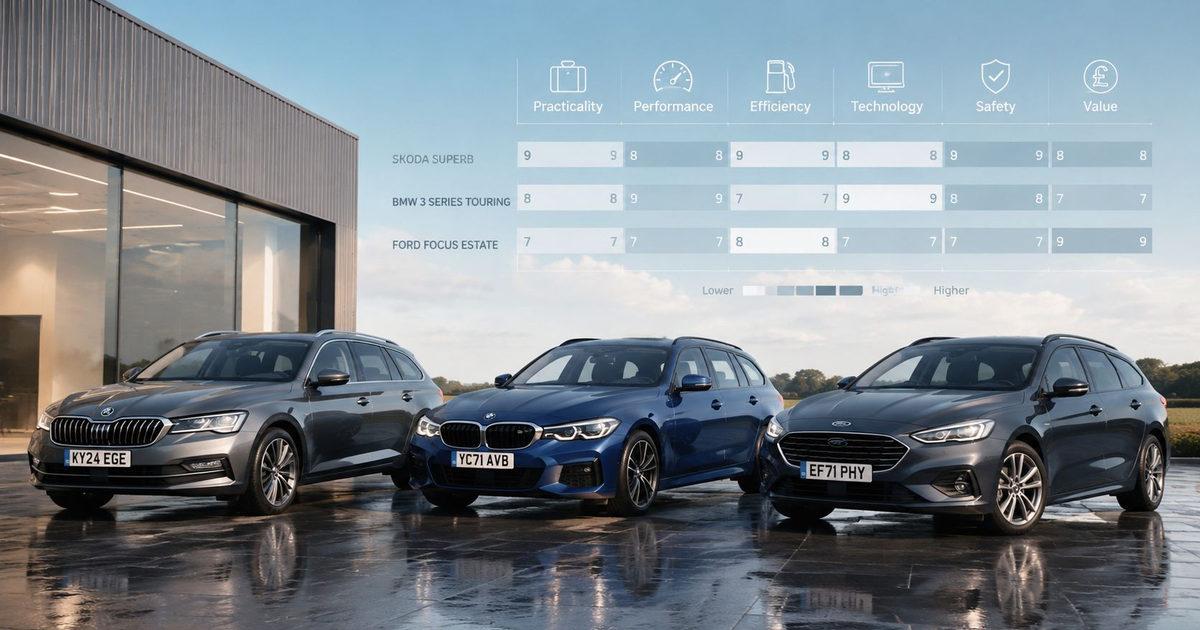
Best Family Estate Car: A UK Motor Trade Buying Guide 2026
You're probably looking at two family estates on the same screen right now. Similar age, similar mileage, similar photos, similar guide price. One will retail cleanly, carry decent margin, and come back only for routine aftersales. The other will soak up prep, trigger awkward customer calls, and leave you defending a car that looked right until the paperwork started to unravel.
Published by AutoProv
Your trusted source for vehicle intelligence
