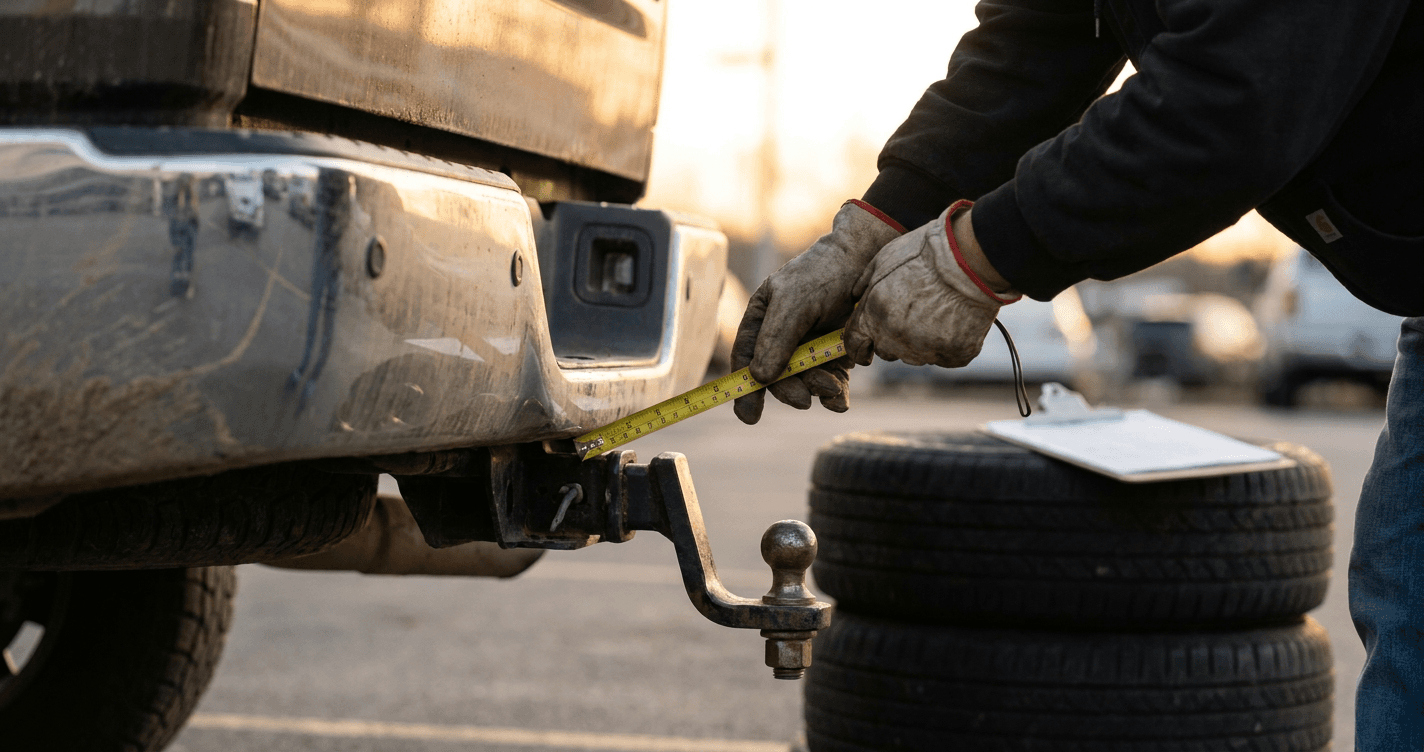
Vehicle weight and towing capacity checks protect dealers from mis-selling, legal liability, and customer disputes. Learn what to verify before listing stock.
By CiteFlow
Why Vehicle Weight and Towing Capacity Verification Protects Your Dealership
Vehicle weight and towing capacity verification prevents mis-selling liability, protects customers from dangerous overloading, and ensures accurate vehicle descriptions that comply with Consumer Rights Act 2015 requirements. When you list a vehicle with incorrect weight specifications or towing figures, you expose your business to rejection claims, potential accidents, and reputational damage. A customer who discovers their supposedly capable towing vehicle cannot legally pull their caravan has grounds for rejection under CRA 2015, and you bear the cost of that mistake.
The issue extends beyond customer satisfaction. Incorrect weight specifications can lead to drivers unknowingly exceeding legal limits, creating liability exposure for your dealership if an accident occurs. Insurance companies scrutinise vehicle specifications after incidents, and a mis-described towing capacity becomes your problem when the policy is voided. Trade buyers purchasing stock need to verify these specifications before listing vehicles, yet many rely on assumptions or incomplete data rather than manufacturer-confirmed figures.
What Vehicle Weight Specifications Actually Mean
Vehicle weight specifications include several distinct measurements, each serving different legal and practical purposes. Kerb weight represents the vehicle's weight with a full fuel tank and standard equipment but no passengers or cargo. Gross Vehicle Weight (GVW), also called Maximum Authorised Mass (MAM), defines the maximum legal laden weight including passengers, cargo, and fuel. The difference between these figures determines payload capacity.
Gross Train Weight (GTW) specifies the maximum combined weight of the vehicle and any trailer it tows. This figure matters more than the towing capacity alone because it accounts for the laden vehicle weight plus trailer. A vehicle might have a 2,000kg towing capacity, but if the GTW is only 5,500kg and the vehicle weighs 2,200kg when loaded, the practical towing limit drops to 3,300kg total, not 2,000kg on top of a full vehicle.
These specifications vary between trim levels, engine variants, and option packages within the same model. A diesel estate with a tow bar preparation package carries different weight ratings than the petrol equivalent without the package. Factory build data verification confirms the actual specifications for the specific VIN you are checking, not generic model data that might not match your stock unit.
Common Weight and Towing Capacity Mis-Selling Scenarios
Pickup trucks and SUVs generate the highest volume of weight-related disputes. Customers buy these vehicles specifically for towing capacity, then discover the actual figure falls short of what was advertised. A dealer lists a pickup as having 3,500kg towing capacity based on the manufacturer's maximum figure, but the specific variant in stock has a 3,200kg limit due to its cab configuration or axle specification. The customer orders a caravan based on the advertised figure, then cannot legally tow it.
Commercial vehicle conversions create another common problem. A van converted to a camper or crew cab changes the weight distribution and often the legal classification. The original manufacturer towing capacity no longer applies after conversion, but dealers frequently list the pre-conversion figures. The DVLA registration document shows the updated weights, but these often contradict what the dealer advertised based on the base vehicle specifications.
Modifications affect weight specifications more than most dealers realise. Aftermarket alloy wheels, roof bars, bull bars, winches, and upgraded suspension all add weight that reduces payload capacity. A modified 4x4 might look more capable, but if modifications pushed the kerb weight up by 150kg, the legal payload dropped by the same amount. You cannot simply quote the manufacturer's original figures when the vehicle no longer matches factory specification.
How to Verify Accurate Weight and Towing Specifications
Manufacturer build data provides the definitive weight specifications for a specific vehicle. Generic model data from online sources often shows the range across all variants rather than the exact figures for your VIN. A model might be listed with towing capacity "up to 2,500kg", but your specific unit might be rated at 2,000kg due to its engine, transmission, or axle combination. Vehicle build sheet reports pull OEM data that confirms the as-built specifications rather than the marketing maximum.
The V5C registration document shows gross vehicle weight and sometimes includes towing capacity, but these figures reflect what was registered with DVLA rather than what the manufacturer specified. Discrepancies occur when vehicles are re-registered after import, when conversions change the classification, or when registration errors were never corrected. Cross-reference the V5C against manufacturer data to identify mismatches before listing the vehicle.
Physical inspection reveals modifications that affect weight specifications. Check for tow bar fitment, roof racks, bull bars, winches, upgraded suspension, auxiliary fuel tanks, and aftermarket wheels. Each addition increases kerb weight and reduces available payload. Weigh bridges provide actual weight measurements, but most dealers lack access. Instead, document visible modifications and adjust specifications accordingly rather than quoting factory figures that no longer apply.
Legal Requirements for Weight and Towing Capacity Descriptions
The Consumer Rights Act 2015 requires goods to match their description. When you advertise a vehicle with specific towing capacity or payload figures, those specifications become part of the contract. If the vehicle cannot legally achieve what you described, the customer has grounds for rejection. This applies whether you quoted the figure in the advertisement, on the forecourt display, or verbally during the sale conversation.
The Consumer Protection from Unfair Trading Regulations 2008 makes misleading specifications a criminal offence, not just a civil contract issue. Trading Standards can prosecute dealers who repeatedly mis-describe vehicle capabilities, particularly when the errors suggest a pattern rather than isolated mistakes. Weight and towing capacity mis-descriptions that lead to dangerous overloading create additional liability beyond the commercial dispute.
Distance sales require even more precise specifications because the customer cannot inspect the vehicle before purchase. Your description carries more weight when the buyer relies entirely on what you stated rather than their own inspection. Remote appraisal processes must include verified weight and towing data, not estimates or assumptions based on similar vehicles you have handled previously.
Why Generic Vehicle Data Fails for Weight Verification
Online vehicle data aggregators typically show specification ranges rather than VIN-specific figures. A search for a particular model returns results like "towing capacity 1,800-2,500kg" or "kerb weight 1,450-1,680kg". These ranges cover all variants, trim levels, and option combinations across multiple model years. Your specific stock unit sits somewhere within that range, but generic data cannot tell you where.
Marketing materials from manufacturers show best-case figures that apply to specific configurations. The brochure towing capacity usually refers to the most capable variant, often with optional towing packages and specific transmission choices. The base model or mid-range trim might have significantly lower limits, but casual research pulls up the headline figure that does not match your stock.
Third-party vehicle check services often omit weight specifications entirely or pull generic model data rather than VIN-specific details. Comprehensive vehicle provenance reports should include verified weight and towing specifications from manufacturer sources, but many services focus exclusively on history markers like finance, theft, and write-off records while ignoring technical specifications that matter for accurate descriptions.
The Connection Between Weight Specs and Other Vehicle Intelligence
Weight specifications connect to other vehicle intelligence data points that affect stock decisions. A vehicle showing multiple previous keepers and evidence of towing use needs closer inspection of the transmission, suspension, and braking components. Towing accelerates wear on these systems, particularly if the previous owner regularly operated near maximum capacity.
Mileage expectations change for vehicles used for towing. A seven-year-old SUV with 95,000 miles might seem high-mileage until you verify it was specified with a towing package and used for caravan holidays. The higher mileage becomes more acceptable when matched against the vehicle's intended use case. Understanding vehicle age versus mileage expectations requires context about how the vehicle was actually used, and towing specifications provide that context.
Factory-fitted towing packages affect vehicle valuations because they represent desirable options that command premium prices. A vehicle with manufacturer tow bar preparation, upgraded cooling, and transmission programming for towing carries more value than an identical model without these features. Identifying high-value factory options includes verifying towing specifications that differentiate premium variants from base models.
Weight and Towing Checks for Different Vehicle Categories
Pickup trucks require the most rigorous weight verification because customers buy them specifically for load and towing capacity. Single-cab, extended-cab, and double-cab variants of the same model carry different weight ratings. Engine choice affects towing capacity significantly, with some diesel variants rated 500kg higher than petrol equivalents. Verify the specific configuration rather than assuming all pickups in a model range share the same capabilities.
SUVs and crossovers show wide variation in towing capacity across trim levels. The base front-wheel-drive model might have no towing capacity at all, while the four-wheel-drive variant with optional towing package reaches 2,500kg. Customers specifically seeking towing capability will reject vehicles that lack the necessary specifications, regardless of how similar they look to capable variants.
Commercial vehicles and vans need payload verification more than towing capacity checks. A panel van might be listed as having 1,000kg payload based on the manufacturer specification, but if the previous owner fitted ply lining, racking, a bulkhead, and auxiliary equipment, the actual available payload dropped to 750kg. The vehicle still works for many trade uses, but you must describe the realistic capacity rather than the factory maximum that no longer applies.
How AutoProv Verifies Weight and Towing Specifications
AutoProv vehicle intelligence reports include manufacturer-confirmed weight specifications pulled from OEM build data rather than generic model information. The vehicle build sheet report confirms kerb weight, gross vehicle weight, gross train weight, and maximum towing capacity as specified by the manufacturer for the exact VIN you are checking. This eliminates guesswork and prevents mis-descriptions based on incorrect assumptions.
The system cross-references V5C registration data against manufacturer specifications to identify discrepancies. When the DVLA-registered weights do not match OEM data, the report flags the mismatch so you can investigate before listing the vehicle. This catches re-registration errors, undeclared modifications, and classification changes that affect legal weight limits.
Factory option verification confirms whether towing packages, upgraded suspension, or other specification-affecting options were fitted at the point of manufacture. A vehicle might have an aftermarket tow bar fitted, but without the factory tow bar preparation package, it lacks the upgraded cooling, transmission programming, and electrical systems that support the full towing capacity. The build data distinguishes between properly specified towing capability and aftermarket additions that might not support the same loads safely.
Practical Steps for Verifying Weight Specifications on Stock
Start with VIN-specific manufacturer data rather than generic model specifications. Pull the factory build sheet to confirm the exact weight ratings for the vehicle you are checking. This takes minutes and prevents costly mistakes that lead to customer disputes weeks after the sale.
Inspect the vehicle for modifications that affect weight. Document tow bars, roof bars, bull bars, winches, upgraded wheels, auxiliary fuel tanks, and any other additions. Each modification adds weight that reduces payload capacity, even if it does not change the legal gross vehicle weight limit.
Compare V5C registration data against manufacturer specifications. When discrepancies appear, investigate the cause before listing the vehicle. The V5C might show incorrect data from a previous registration error, or it might reflect legitimate changes from conversions or modifications that the manufacturer data does not account for.
Photograph the VIN plate and any weight specification labels fitted to the vehicle. Door jamb labels, chassis plates, and tow bar rating plates provide additional verification points. These physical labels should match the manufacturer data and V5C information. When they do not, you have evidence of modifications or registration errors that need resolution.
FAQ
Can I use manufacturer brochure specifications for vehicle listings?
No, manufacturer brochures show maximum specifications across all variants rather than the exact figures for your specific vehicle. A brochure might state "towing capacity up to 2,500kg", but your stock unit might be a lower-specification variant rated at 2,000kg. Use VIN-specific manufacturer data rather than marketing materials that show best-case figures.
What happens if I advertise incorrect towing capacity?
The customer has grounds for rejection under Consumer Rights Act 2015 if the vehicle does not match the description you provided. You must refund the purchase price and collection costs. If the customer already purchased a trailer or caravan based on your incorrect specification, you may face additional liability for consequential losses. Trading Standards can prosecute repeated mis-descriptions as criminal offences under Consumer Protection from Unfair Trading Regulations.
Do aftermarket tow bars affect the legal towing capacity?
Yes, if the vehicle lacks a factory tow bar preparation package. Manufacturer towing capacity assumes the vehicle has upgraded cooling, transmission programming, and electrical systems fitted at the factory. An aftermarket tow bar bolted to an unprepared vehicle might be physically capable of towing, but the vehicle lacks the supporting systems for safe operation at maximum capacity. Always verify whether the towing package was factory-fitted rather than added later.
How do I verify weight specifications for imported vehicles?
Imported vehicles require extra verification because V5C data might not match the original manufacturer specifications. UK registration often uses generic weight figures for the model rather than the specific variant imported. Pull manufacturer build data using the VIN to confirm the actual specifications, then compare against the V5C. When discrepancies appear, document both figures and describe the vehicle using the manufacturer data rather than potentially incorrect DVLA information.
Why do weight specifications vary between identical-looking vehicles?
Engine choice, transmission type, drivetrain configuration, trim level, and factory option packages all affect vehicle weight and towing capacity. Two vehicles from the same model year that look identical might have different specifications due to these variations. A diesel automatic with four-wheel drive and a factory towing package carries different ratings than a petrol manual with front-wheel drive and no towing preparation, even though both are the same model.
Building Weight Verification Into Your Stock Checks
Weight and towing capacity verification belongs in your standard due diligence process alongside finance checks, mileage verification, and service history validation. The cost of getting these specifications wrong far exceeds the time investment required to verify them correctly. A single rejection claim from a customer who cannot tow their caravan costs more than years of proper verification across your entire stock intake.
Trade buyers who skip weight verification create liability that surfaces weeks or months after the purchase. The customer discovers the problem when they try to use the vehicle for its intended purpose, not during the test drive or handover. By that point, you have already invested in preparation, advertising, and sales time. The rejection costs you the full transaction plus the vehicle's depreciation during the period it sat on your forecourt.
Professional stock purchasing requires verified data, not assumptions. Weight and towing specifications matter as much as VIN verification and history checks for vehicles marketed on their capability rather than just their appearance. Get the specifications right before you list the vehicle, and you eliminate an entire category of customer disputes that damage your reputation and profitability.
Frequently Asked Questions
AI-Generated Content Notice
This article was created with the assistance of artificial intelligence technology. While we strive for accuracy, the information provided should be considered for general informational purposes only and should not be relied upon as professional automotive, legal, or financial advice. We recommend verifying any information with qualified professionals or official sources before making important decisions. AutoProv accepts no liability for any consequences resulting from the use of this information.
From our AI insights
- Avoiding Towing Missteps: Legal Checks for Dealers
Protect your dealership by ensuring vehicle weight and towing capacity compliance before listing stock.
- V5C Logbook: Untold Legal Limitations & Verification Needs
Explore the V5C logbook's legal boundaries and why traders need extra checks.
- Managing CRA 2015 Rejections: Evidence Essentials for Dealers
Learn how UK motor traders can effectively handle CRA 2015 rejection claims with proper evidence management.
Related Articles

Understanding the Consumer Rights Act 2015 in the UK Motor Trade
Explore the Consumer Rights Act 2015 and its impact on UK car buyers and sellers, offering essential protections and insights.

Understanding UK Automotive Regulations
Explore the complexities of automotive regulations in the UK, covering DVLA, FCA, MOT, and more.
What is a V5C Document: A Quick UK Log Book Guide
If you've ever bought or sold a car in the UK, you've definitely come across the V5C. It's often just called the 'log book', and it’s the official Vehicle Registration Certificate issued by the DVLA.
Published by AutoProv
Your trusted source for vehicle intelligence