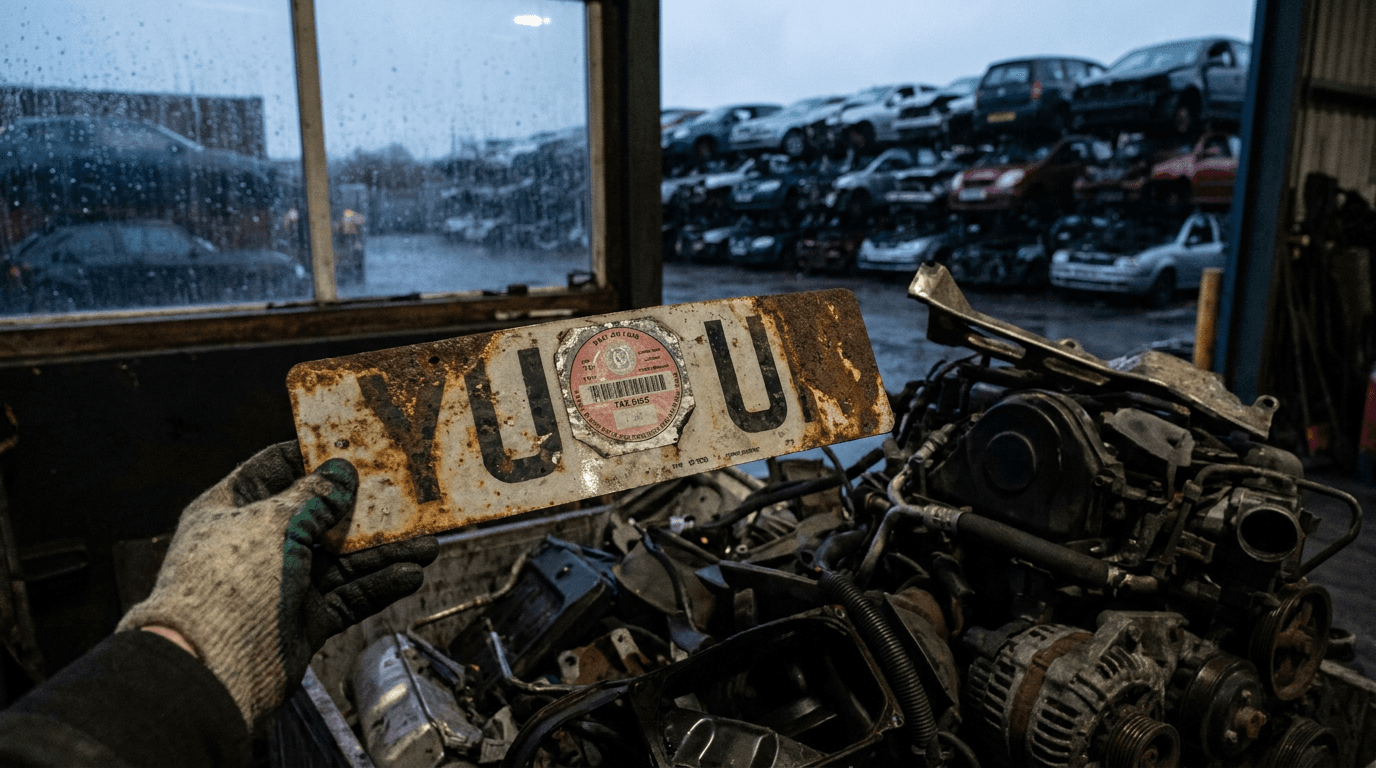
Learn how DVLA scrapping records affect vehicle provenance, what scrapped status means for traders, and how to identify vehicles with hidden scrapping history.
By CiteFlow
What Does Vehicle Scrapping Mean on DVLA Records
Vehicle scrapping on DVLA records indicates that a keeper has formally notified the DVLA that a vehicle has been sent to an Authorised Treatment Facility (ATF) for destruction. When the DVLA receives a Certificate of Destruction (CoD), the vehicle's registration is marked as scrapped in their database, and the V5C logbook becomes invalid. This status means the vehicle should no longer exist as a roadworthy unit, though the reality for motor traders is more complex.
The scrapping process creates a permanent marker in DVLA records that should prevent the vehicle from being re-registered or taxed. However, the existence of scrapped vehicles back on the market represents one of the most serious provenance risks in the trade. Understanding how scrapping works, what records survive, and how vehicles can escape the system matters for stock acquisition decisions.
How the Official Vehicle Scrapping Process Works
The legal scrapping process follows a specific sequence designed to remove end-of-life vehicles from circulation permanently. When a keeper decides to scrap a vehicle, they must take it to an Authorised Treatment Facility licensed by the Environment Agency. The ATF issues a Certificate of Destruction, which the keeper uses to notify the DVLA that the vehicle no longer exists.
The DVLA then updates their database to reflect the scrapped status. The V5C registration certificate is cancelled, and the vehicle should be removed from the keeper's record. The registration mark may be withdrawn or, in some cases, retained by the keeper if they apply before scrapping. The vehicle identification number remains in DVLA records with the scrapped marker attached, creating a permanent history that should follow the VIN indefinitely.
Authorised Treatment Facilities must depollute vehicles before crushing or dismantling them, removing hazardous fluids and materials according to environmental regulations. Once processed, the vehicle is either crushed into scrap metal or broken for parts. Either way, the legal expectation is that the vehicle as a complete, roadworthy unit ceases to exist.
Why Scrapped Vehicles Reappear in the Motor Trade
Despite the intended finality of scrapping, vehicles marked as scrapped regularly surface in the trade. Several routes allow scrapped vehicles to re-enter circulation, each presenting different risks and legal implications. Understanding these pathways helps traders identify potential scrapping issues before purchase.
Some vehicles are scrapped on paper but never physically destroyed. A keeper may obtain a Certificate of Destruction from a compliant ATF for a damaged vehicle, then repair and sell it privately rather than scrapping it. The DVLA records show scrapped status, but the physical vehicle remains intact. This creates a situation where the vehicle exists but cannot be legally registered or taxed under its original identity.
Other vehicles are partially scrapped, with salvageable components removed before the shell is destroyed. Occasionally, enough parts are retained to reconstruct a vehicle using the original VIN plate and documentation. These reconstructed vehicles may use the identity of a scrapped car while consisting largely of parts from other sources. The result is a vehicle with legitimate-looking paperwork attached to a scrapped identity.
Ring operations represent the most serious scenario, where criminals transfer the identity of a scrapped vehicle onto a stolen car of similar specification. The stolen vehicle assumes the scrapped car's VIN and registration, creating apparently clean paperwork for an illegally obtained vehicle. DVLA keeper history records may show normal ownership patterns that mask the underlying fraud.
What DVLA Scrapping Records Reveal to Traders
When you run a comprehensive vehicle check, scrapping information appears in the DVLA section of the report. A vehicle marked as scrapped should trigger immediate caution, as it indicates the car should not exist in tradeable condition. The date of scrapping provides context about when the vehicle was supposedly destroyed, which you can compare against MOT records and keeper changes.
Scrapping records sometimes conflict with other data sources, revealing inconsistencies that point to provenance problems. A vehicle showing scrapped status in 2020 but with MOT tests in 2022 indicates either incorrect scrapping notification or fraudulent re-registration. Similarly, keeper changes recorded after the scrapping date suggest the vehicle has been improperly returned to circulation.
The absence of scrapping records also carries information. Vehicles that should have been scrapped based on their condition, write-off category, or age but show no scrapping marker may have been disposed of improperly. This matters less for immediate purchase decisions but can indicate broader issues with the vehicle's documented history versus its actual past.
Scrapped Status vs Write-Off Categories
Scrapping and write-off categorisation are separate processes that often overlap but do not always align. A vehicle can be written off by an insurer without being scrapped, and theoretically a vehicle can be scrapped without ever being written off. Understanding the distinction helps traders assess the severity of different history markers.
Category A and Category B write-offs should always be scrapped. Category A vehicles must be crushed entirely, including all parts. Category B vehicles can have parts salvaged, but the shell must be crushed. If you encounter a vehicle with Category A or B history that has not been scrapped according to DVLA records, this represents a serious red flag requiring immediate investigation.
Category S (formerly Category C) and Category N (formerly Category D) write-offs can be repaired and returned to the road legally. These vehicles should not show scrapped status unless the owner chose to scrap rather than repair them. A Cat S or Cat N vehicle with scrapping history followed by re-registration suggests potential identity fraud or improper re-registration that warrants deeper scrutiny.
How Scrapping Affects Vehicle Values and Saleability
Any indication of scrapping history destroys vehicle value in the legitimate trade. Even if a vehicle has been improperly returned to circulation and appears roadworthy, the scrapped marker makes it effectively unsaleable through proper channels. Retail customers cannot obtain finance, insurance becomes difficult or impossible, and the vehicle cannot be legally registered for road use.
The financial risk extends beyond the purchase price. If you acquire a vehicle without detecting scrapped status and later discover the issue, you face total loss of the purchase amount plus any preparation costs invested. Unlike vehicles with repairable title issues or minor history problems, scrapped vehicles offer no path to legitimate resale. The only outcome is reporting the vehicle to authorities and absorbing the loss.
This makes scrapping checks one of the highest-value elements of trade due diligence. The cost difference between a comprehensive vehicle provenance report and a basic check is negligible compared to the risk of acquiring a scrapped vehicle. Professional-grade checks that include DVLA scrapping data alongside write-off history, finance status, and keeper records provide the coverage needed to avoid catastrophic purchases.
Identifying Scrapped Vehicles Before Purchase
Several practical indicators can alert you to potential scrapping issues during physical inspection and documentation review. While these signs do not confirm scrapping, they justify deeper investigation before committing to purchase.
Documentation inconsistencies often accompany scrapped vehicles returned to circulation. Missing or recently issued V5C logbooks, especially on older vehicles, may indicate re-registration attempts after scrapping. Registration plates that appear newer than the vehicle or show signs of recent fitting warrant scrutiny. Service history that stops abruptly several years ago, then resumes recently without explanation, can indicate a period when the vehicle was scrapped or off-road.
Physical evidence sometimes reveals scrapping history that paperwork conceals. VIN plate tampering, replacement, or unusual mounting suggests potential identity fraud. Mismatched body panels, especially structural components, may indicate reconstruction from scrapped parts. Paint overspray on VIN plates, chassis stamps, or door shuts can signal attempts to conceal identity changes.
The seller's story matters as well. Vague explanations about the vehicle's recent history, inability to explain gaps in documentation, or reluctance to provide previous keeper details all increase scrapping risk. Private sellers offering vehicles significantly below market value without clear reason may be attempting to move scrapped vehicles quickly before buyers discover the history.
Legal Implications of Trading Scrapped Vehicles
Trading a vehicle you know or should have known was scrapped carries serious legal consequences. Under the Consumer Rights Act 2015, selling a vehicle that cannot be legally registered or used constitutes a breach of the requirement that goods be of satisfactory quality and fit for purpose. Buyers have immediate rejection rights, and you face potential liability for losses they incur.
Beyond civil liability, knowingly trading scrapped vehicles can trigger criminal charges. Fraud offences apply when you misrepresent a vehicle's status or history. If the scrapped vehicle is actually a stolen car with a transferred identity, you may face charges related to handling stolen goods, even if you were unaware of the theft.
The DVLA can prosecute for registration offences if you attempt to re-register a scrapped vehicle or use it on public roads. Penalties include fines and potential imprisonment for serious cases. Your motor trade licence and reputation also suffer, as trading scrapped vehicles demonstrates either incompetence in due diligence or deliberate misconduct.
What to Do If You Discover Scrapping History
If your pre-purchase checks reveal scrapping history, the appropriate response is straightforward: walk away from the deal immediately. No explanation from the seller, no matter how plausible, justifies purchasing a vehicle marked as scrapped in DVLA records. The legal and financial risks outweigh any potential profit margin.
Document your discovery and the decision to decline purchase. Note the VIN, registration, seller details, and date you identified the scrapping issue. This documentation protects you if the vehicle later appears in connection with fraud investigations or if the seller attempts to claim you completed the purchase.
Consider reporting the vehicle to appropriate authorities, particularly if you suspect deliberate fraud rather than administrative error. The DVLA investigates cases of scrapped vehicles returned to circulation. If you believe the vehicle may be stolen with a transferred identity, contact your local police force. While reporting is not legally required in most cases, it helps remove dangerous vehicles from circulation and protects other traders.
If you discover scrapping history after purchase, seek legal advice immediately. Your options depend on how you acquired the vehicle, what representations the seller made, and how quickly you identified the issue. You may have rejection rights under the Consumer Rights Act or remedies for misrepresentation, but time limits apply. Do not attempt to sell the vehicle onward, as this compounds your legal exposure.
How Professional Vehicle Checks Identify Scrapping Issues
Comprehensive trade vehicle checks identify scrapping history by querying DVLA databases directly and cross-referencing multiple data sources for consistency. A professional vehicle provenance report includes DVLA scrapping status alongside write-off categories, finance checks, keeper history, and MOT records, allowing you to spot conflicts that indicate problems.
The value lies in automated cross-checking that human review might miss. When scrapping dates conflict with subsequent MOT tests, keeper changes after scrapping, or tax records showing the vehicle in use post-destruction, quality checks flag these anomalies prominently. This automated analysis catches issues faster and more reliably than manual review of separate data sources.
Indemnity protection adds another layer of security. Checks backed by insurance cover provide financial protection if scrapping history exists but fails to appear in the report. While indemnity does not eliminate the inconvenience of discovering issues post-purchase, it mitigates the financial loss when data errors occur.
Scrapping Data in the Broader Provenance Picture
Scrapping records form one element of comprehensive vehicle provenance assessment. While scrapped status represents a deal-breaker that ends purchase consideration immediately, most vehicles show clean scrapping records, making other provenance factors more relevant to typical purchase decisions.
Understanding mileage anomalies in MOT records helps identify clocking that scrapping checks would not reveal. Finance verification prevents purchasing vehicles with outstanding debt attached. Keeper history analysis reveals patterns of short-term ownership or frequent changes that suggest underlying problems. Together, these data points create a complete picture of vehicle provenance that supports confident purchase decisions.
The scrapping check serves as the foundation of this analysis, the binary pass/fail test that determines whether further investigation is worthwhile. Once you confirm the vehicle is not scrapped, you can proceed to evaluate the more nuanced aspects of its history, condition, and market position.
Regional Variations in Scrapping Practices
Scrapping practices and enforcement vary somewhat across UK regions, though the legal framework remains consistent. Areas with higher volumes of end-of-life vehicles, such as urban centres and regions with older vehicle fleets, see more scrapping activity and, consequently, more opportunities for scrapped vehicles to re-enter circulation improperly.
Enforcement intensity differs by region as well. Some police forces and DVLA regional offices actively investigate scrapped vehicles returned to circulation, while others focus resources on different priorities. This creates regional variation in the likelihood of detecting and prosecuting scrapping fraud, though it does not change the underlying legal risks for traders.
From a practical standpoint, these regional differences matter less than consistent due diligence. Regardless of where you operate or source stock, checking for scrapping history on every vehicle before purchase protects you from regional variations in fraud prevalence and enforcement.
Future Developments in Scrapping Records and Verification
The DVLA continues to enhance scrapping record systems and data sharing with other agencies. Improved integration between ATF reporting, insurance write-off databases, and DVLA records should reduce opportunities for scrapped vehicles to re-enter circulation undetected. However, these improvements also increase the importance of accessing current, comprehensive data rather than relying on partial or outdated checks.
Digital verification methods are expanding beyond scrapping to cover more aspects of vehicle history. Digital service history verification and factory build data provide additional provenance layers that complement scrapping checks. As these data sources become standard in trade due diligence, the overall reliability of vehicle history verification improves.
For traders, the trend is clear: comprehensive, multi-source vehicle intelligence becomes increasingly necessary for competitive operation. The cost and complexity of due diligence may increase slightly, but the risk reduction and competitive advantage of superior provenance verification justify the investment.
Frequently Asked Questions
AI-Generated Content Notice
This article was created with the assistance of artificial intelligence technology. While we strive for accuracy, the information provided should be considered for general informational purposes only and should not be relied upon as professional automotive, legal, or financial advice. We recommend verifying any information with qualified professionals or official sources before making important decisions. AutoProv accepts no liability for any consequences resulting from the use of this information.
From our AI insights
- Avoiding Towing Missteps: Legal Checks for Dealers
Protect your dealership by ensuring vehicle weight and towing capacity compliance before listing stock.
- V5C Logbook: Untold Legal Limitations & Verification Needs
Explore the V5C logbook's legal boundaries and why traders need extra checks.
- Managing CRA 2015 Rejections: Evidence Essentials for Dealers
Learn how UK motor traders can effectively handle CRA 2015 rejection claims with proper evidence management.
Related Articles

Understanding the Consumer Rights Act 2015 in the UK Motor Trade
Explore the Consumer Rights Act 2015 and its impact on UK car buyers and sellers, offering essential protections and insights.

Understanding UK Automotive Regulations
Explore the complexities of automotive regulations in the UK, covering DVLA, FCA, MOT, and more.
What is a V5C Document: A Quick UK Log Book Guide
If you've ever bought or sold a car in the UK, you've definitely come across the V5C. It's often just called the 'log book', and it’s the official Vehicle Registration Certificate issued by the DVLA.
Published by AutoProv
Your trusted source for vehicle intelligence