Paint code verification exposes resprays, panel replacements, and undisclosed accident damage. Learn how trade buyers use factory colour data to identify hidden repairs.
Why Paint Code Verification Matters for Trade Buyers
Paint code verification compares the actual paint on a vehicle against the factory-applied colour recorded in manufacturer databases, revealing resprays, panel replacements, and undisclosed accident repairs that sellers often fail to mention. When original paint codes do not match what the factory applied, professional buyers know something has been repaired, replaced, or disguised. This single data point transforms how traders assess accident history because it provides physical evidence that cannot be altered or hidden in the same way service stamps or logbook entries can be manipulated.
The motor trade has long relied on visual inspection and paint depth gauges to spot resprays, but these methods require expertise and time. Factory paint code data offers objective verification that works at scale, allowing buyers to flag potential issues before committing to purchase. A vehicle advertised as accident-free should display its original factory colour across all panels. When it does not, questions arise about what happened and why the seller chose not to disclose it.
How Factory Paint Codes Are Recorded and Retrieved
Manufacturers assign specific paint codes to every vehicle during production, recording these details in build databases alongside VIN, trim level, and fitted options. These codes identify the exact colour formula applied at the factory, including metallic or pearl finishes, special editions, and limited-run colours. The data remains permanently associated with the VIN, creating an immutable record of what left the production line.
Professional vehicle intelligence services retrieve this information directly from OEM databases, cross-referencing the factory specification against DVLA records and other data sources. When a vehicle history check includes factory build data, traders gain access to the original paint specification without relying on visual inspection alone. This matters because modern paint matching technology can produce convincing resprays that fool the untrained eye but cannot alter what the manufacturer recorded years earlier.
The verification process compares three data points: the factory paint code from the manufacturer database, the colour recorded by DVLA at registration, and any subsequent colour changes filed with the licensing authority. Discrepancies between these records signal potential issues worth investigating further.
What Paint Discrepancies Reveal About Repairs
A mismatch between factory paint code and current vehicle colour indicates one of several scenarios, each with different implications for value and risk. Complete resprays often follow significant accident damage where multiple panels required repair or replacement. Insurance companies sometimes authorise full resprays after extensive bodywork, but sellers do not always disclose these repairs when marketing vehicles as clean examples.
Single-panel resprays suggest localised damage, perhaps a door replacement after a side impact or a bonnet respray following a front-end collision. These repairs may have been completed to a high standard, but the absence of disclosure raises questions about what else the seller has chosen not to mention. Professional buyers understand that undisclosed repairs often accompany other hidden issues, from structural damage to compromised safety systems.
Colour changes filed with DVLA represent a different category. Some owners legitimately change vehicle colour for aesthetic reasons, properly notifying the licensing authority and updating the V5C. Others respray vehicles to disguise accident damage or theft recovery, sometimes failing to update official records. When colour changes reveal vehicle history problems, the pattern typically includes other red flags like gaps in service records or unexplained keeper changes.
The Connection Between Paint Work and Structural Damage
Respray evidence often correlates with structural repairs that affect vehicle safety and long-term reliability. Modern vehicles use crumple zones and safety cells designed to absorb impact energy, protecting occupants during collisions. When these structures sustain damage, proper repair requires specialist equipment and certified techniques. Not all repairers follow manufacturer protocols, and some cut corners to reduce costs.
Paint code verification serves as an early warning system for potential structural issues. A vehicle showing respray evidence on multiple panels, particularly around the A-pillars, B-pillars, or roof, may have experienced rollover damage or severe side impact. These repairs often involve structural welding and alignment work that, if done incorrectly, compromises crash protection and creates ongoing mechanical problems.
The insurance industry categorises accident damage by severity, with Category S vehicles having sustained structural damage. However, many repaired vehicles never receive category markers because owners pay for private repairs to avoid insurance claims. Paint code verification helps identify these undisclosed repairs, allowing traders to investigate further before purchase. A used car history report that includes factory build data provides the foundation for this due diligence.
How Paint Depth Gauges Complement Factory Data
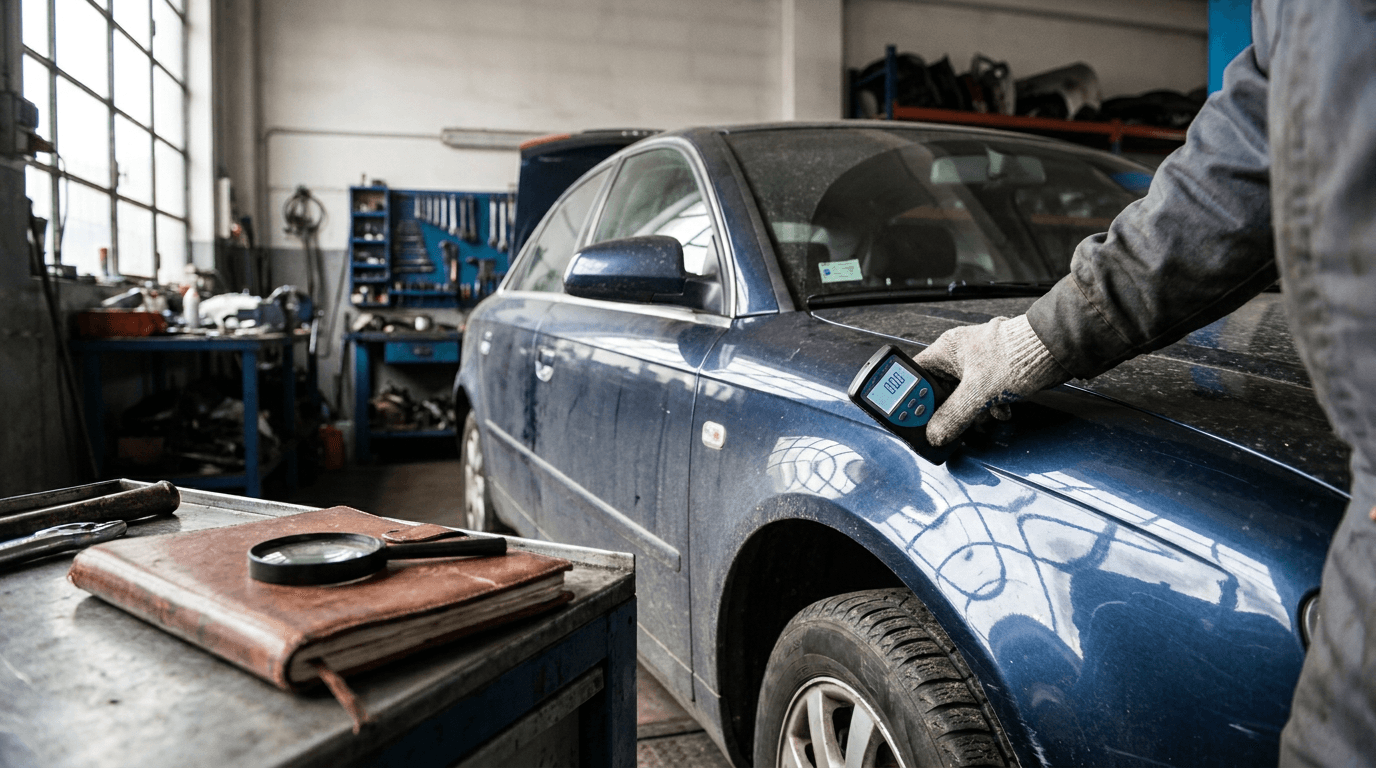
Paint depth gauges measure the thickness of paint and filler on body panels, identifying areas where additional material has been applied during repair. Professional buyers use these tools during physical inspections, but paint depth readings become more meaningful when combined with factory paint code verification. Knowing that a vehicle should display a specific factory colour allows traders to focus gauge readings on panels where discrepancies exist.
Factory paint typically measures between 90 and 150 microns depending on manufacturer and application method. Repainted panels often show readings above 200 microns due to primer, base coat, and clear coat layers applied during repair. Excessive readings above 300 microns suggest filler application, indicating more substantial damage than a simple respray would address.
The combination of paint code data and physical measurement creates a complete picture. Factory records identify which panels have been repainted, while gauge readings reveal the extent of repair work. This dual approach prevents sellers from passing off resprayed vehicles as original, protecting traders from overpaying for compromised stock.
Regional Variations in Repair Quality and Disclosure
Repair standards and disclosure practices vary across UK regions, with some areas showing higher rates of undisclosed accident repairs than others. Urban markets with high vehicle density often see more accident damage, while rural areas may have fewer certified repairers capable of manufacturer-standard work. Professional buyers adjust their inspection protocols based on regional patterns and local market conditions.
Certain regions also show different attitudes toward repair disclosure. Some local markets accept resprayed vehicles more readily, with buyers expecting lower prices for repaired stock. Other areas maintain stricter standards, with traders refusing to stock vehicles showing any respray evidence. Understanding these regional differences helps buyers price vehicles appropriately and avoid stock that will struggle to sell in their target market.
The availability of manufacturer service history data varies by region as well, with urban dealers more likely to maintain digital records than independent garages in remote areas. When manufacturer databases reveal service history gaps alongside paint code discrepancies, the combination suggests a vehicle that has been maintained outside official networks, possibly to avoid documenting accident repairs.
Using Paint Verification in Pre-Purchase Decisions
Professional buyers integrate paint code verification into systematic pre-purchase due diligence, treating factory colour data as one element in a comprehensive risk assessment. The process begins with obtaining factory build specifications before viewing vehicles, allowing traders to prepare specific inspection points and questions for sellers. When paint codes do not match factory records, buyers know to scrutinise panel gaps, shut lines, and overspray evidence more carefully.
The financial implications of undisclosed resprays extend beyond immediate purchase price. Vehicles with hidden accident history typically sell more slowly, require deeper discounts to move, and generate more customer complaints than clean examples. Smart traders factor these costs into their bidding strategies, either walking away from problematic stock or adjusting offers to account for increased risk and reduced marketability.
Paint verification also supports negotiation by providing objective evidence of undisclosed repairs. When sellers claim vehicles are accident-free but factory data proves otherwise, buyers gain leverage to renegotiate price or withdraw from the transaction. This evidence-based approach removes emotion from negotiations, replacing subjective opinions with verifiable facts that sellers cannot easily dispute.
The Limitations of Visual Inspection Alone
Experienced traders can spot many resprays through careful visual inspection, looking for overspray on rubber seals, mismatched panel colours, and orange peel texture in the clear coat. However, visual inspection has significant limitations that factory data overcomes. High-quality repairs completed by manufacturer-approved bodyshops can be virtually invisible to the naked eye, while poor lighting conditions at auctions or private sales make even obvious resprays difficult to detect.
Modern paint technology has also made visual detection harder. Waterborne paints and advanced application techniques produce finishes that closely match factory quality. Some repairers specialise in invisible repairs, using OEM paint codes and blending techniques that fool all but the most expert inspectors. Factory paint code verification cuts through these deceptions, providing certainty regardless of repair quality or inspection conditions.
Time constraints further limit visual inspection effectiveness. Trade buyers often evaluate multiple vehicles in quick succession at auctions or dealer compounds, with limited time for detailed examination. Factory build data allows traders to pre-screen vehicles before physical inspection, focusing detailed scrutiny on units where paint discrepancies have already been identified. This efficiency gain matters when processing high volumes of potential stock.
Integration with Other Provenance Data Points
Paint code verification delivers maximum value when combined with other provenance data sources, creating a complete picture of vehicle history and condition. DVLA keeper history shows ownership patterns that may correlate with accident repairs, such as short-term keepers who bought damaged vehicles, repaired them cheaply, and sold them quickly for profit. MOT history provides mileage progression and advisory notes that sometimes reference accident damage or structural issues.
Finance checks reveal whether vehicles have outstanding loans or hire purchase agreements, information that becomes more significant when combined with respray evidence. A vehicle showing undisclosed accident repairs and active finance may indicate an owner trying to sell quickly before repossession, potentially hiding other problems to secure a sale. Professional traders recognise these patterns and adjust their risk assessment accordingly.
The absence of manufacturer service history alongside paint code discrepancies creates another red flag. Vehicles maintained through official dealer networks typically have documented repair history, including accident damage and insurance claims. When digital service records show gaps coinciding with respray evidence, traders know the owner has deliberately avoided official channels, possibly to hide the extent of damage or the quality of repairs.
Commercial Implications for Stock Purchasing
Undisclosed resprays affect vehicle values in measurable ways that impact dealer profitability and stock turn. Clean examples of popular models command premium prices and sell quickly, while vehicles with hidden accident history require deeper discounts and longer marketing periods. The difference between these outcomes directly affects dealer cash flow and return on investment.
Customer complaints and returns also increase when dealers unknowingly purchase and retail vehicles with undisclosed accident damage. Consumer Rights Act 2015 requires vehicles to match their description and be of satisfactory quality. When customers discover resprays or accident repairs that dealers failed to disclose, rejection rights and legal disputes follow. Paint code verification protects dealers by identifying these issues before purchase, preventing costly mistakes that damage reputation and profitability.
Stock mix decisions also benefit from paint verification data. Dealers targeting quality-conscious buyers or operating in premium segments cannot afford to stock vehicles with hidden accident history. Paint code verification helps maintain stock standards by filtering out compromised vehicles before they enter inventory. This quality control supports brand positioning and customer trust, both essential for long-term success in competitive markets.
How AutoProv Delivers Paint and Build Verification
AutoProv's factory build sheet reports retrieve original paint codes directly from manufacturer databases, providing traders with definitive factory specifications for every vehicle checked. The service accesses OEM data for 44 manufacturers, covering the vast majority of vehicles in the UK market. This coverage ensures traders can verify paint codes across their entire stock range, from volume brands to premium marques.
The build sheet data includes complete factory specifications beyond paint code, showing original trim level, fitted options, and equipment packages. This comprehensive information helps traders identify not just resprays but also mis-described vehicles where sellers have exaggerated specification or claimed options that were never fitted. The combination of paint verification and equipment confirmation creates powerful protection against mis-selling and overpaying.
AutoProv integrates factory build data with provenance information from 10 trusted sources, creating comprehensive vehicle intelligence reports that support informed purchasing decisions. The service costs from £3.00 per check with subscription plans, making professional-grade verification accessible to dealers of all sizes. This pricing structure allows traders to check every potential purchase without breaking their budget, protecting margins while maintaining stock quality standards.
FAQs
Can paint code verification detect all resprays?
Paint code verification identifies vehicles where the current colour does not match factory records, but it cannot detect same-colour resprays where the original paint code was used during repair. However, these same-colour resprays still show up through paint depth gauge readings and physical inspection. The value of factory paint code data lies in flagging colour changes and mismatches that indicate undisclosed repairs, allowing traders to investigate further with physical inspection tools.
Do all manufacturers provide paint code data?
Most major manufacturers maintain digital build records that include factory paint codes, but coverage varies by brand, model year, and market. Older vehicles and some specialist manufacturers may not have accessible digital records. Professional vehicle intelligence services indicate when factory data is unavailable, allowing traders to adjust their due diligence accordingly. For vehicles without factory paint data, physical inspection and paint depth measurement become more important.
How do insurance category markers relate to paint verification?
Insurance category markers (Cat S, Cat N) indicate vehicles that have been written off and repaired, but many accident-damaged vehicles never receive category markers because owners pay for private repairs. Paint code verification helps identify these undisclosed repairs by revealing resprays that suggest accident damage. When paint discrepancies appear on vehicles without category markers, traders should investigate whether the vehicle has hidden accident history that should have been disclosed.
What should traders do when paint codes do not match?
When factory paint codes do not match current vehicle colour, traders should conduct detailed physical inspection using paint depth gauges, examine panel gaps and shut lines, and question the seller about repair history. The mismatch itself does not necessarily mean the vehicle is unsuitable for purchase, but it does require full disclosure to customers and appropriate pricing to reflect the repair history. Many traders choose to walk away from vehicles with undisclosed resprays rather than accept the increased risk and reduced marketability.
Does paint verification work for commercial vehicles and motorcycles?
Factory build data availability varies significantly for commercial vehicles and motorcycles compared to passenger cars. Many van and truck manufacturers maintain less detailed build records, while motorcycle manufacturers show inconsistent digital record-keeping. Professional traders should verify data availability for specific vehicle types before relying on paint code verification as a primary due diligence tool. Physical inspection remains essential for vehicle categories with limited factory data access.
Published by AutoProv
Your trusted source for vehicle intelligence