
Ever seen a used car ad with a mysterious ‘Cat S’ or ‘Cat N’ label and wondered what on earth it meant? You’re not alone. When a vehicle is damaged, its insurer has to make a call: is it more cost-effective to repair it, or just pay out the claim? If they decide it’s cheaper to pay out, the car is officially declared a ‘total loss’—or what we commonly call a ‘write-off’. It’s then assigned one of four official UK write-off categories: A, B, S, or N.
Ever seen a used car ad with a mysterious ‘Cat S’ or ‘Cat N’ label and wondered what on earth it meant? You’re not alone. When a vehicle is damaged, its insurer has to make a call: is it more cost-effective to repair it, or just pay out the claim?
If they decide it’s cheaper to pay out, the car is officially declared a ‘total loss’—or what we commonly call a ‘write-off’. It’s then assigned one of four official UK write-off categories: A, B, S, or N.

Why You Can’t Afford to Ignore UK Car Write-Offs
With repair costs spiralling, it doesn't take much for a car to be written off these days. What might look like a minor bump can easily result in a vehicle being branded for life. This permanent mark on its history is a massive deal for anyone in the market for a used car.
These categories are the key to understanding a vehicle's past. They tell you the story of the damage it sustained, from simple cosmetic issues right through to a fundamentally compromised structure. Getting your head around these labels is non-negotiable, as they directly impact the car’s safety, its market value, and even your ability to get it insured down the line.
At its core, the write-off system is deeply tied into the world of insurance claims, a complex area you can learn more about by understanding UK car insurance types and legalities.
Because a write-off status is a permanent part of a car’s record, you simply have to know what you’re looking at. A comprehensive check from AutoProv is the only way to get the complete, unfiltered story behind any vehicle, protecting you from buying a potential money pit. AutoProv’s detailed reports are an indispensable tool, arming you with the crucial data needed to make an informed decision.
Decoding Category N: Non-Structural Damage
Of all the write-off categories, Category N is the one you’ll come across most often. The 'N' simply stands for Non-Structural, which means whatever damage the vehicle sustained, it didn't touch the core chassis or structural frame.
Think of it like a top-of-the-range smartphone with a smashed screen. The phone itself works perfectly, but its cosmetic appearance is obviously compromised. That's a Cat N car in a nutshell.
A vehicle gets slapped with a Cat N marker when the cost of putting it right is more than the car is worth. We're not talking about a bent chassis here; this could be something as simple as damaged bumpers, pricey modern headlights, or even sensors for the parking or lane-assist systems. With repair costs soaring, even a seemingly minor bump can write a car off, contributing to what one report calls a national financial burden of over £3 billion a year. You can read more about the UK car write-off crisis on wecovr.com.
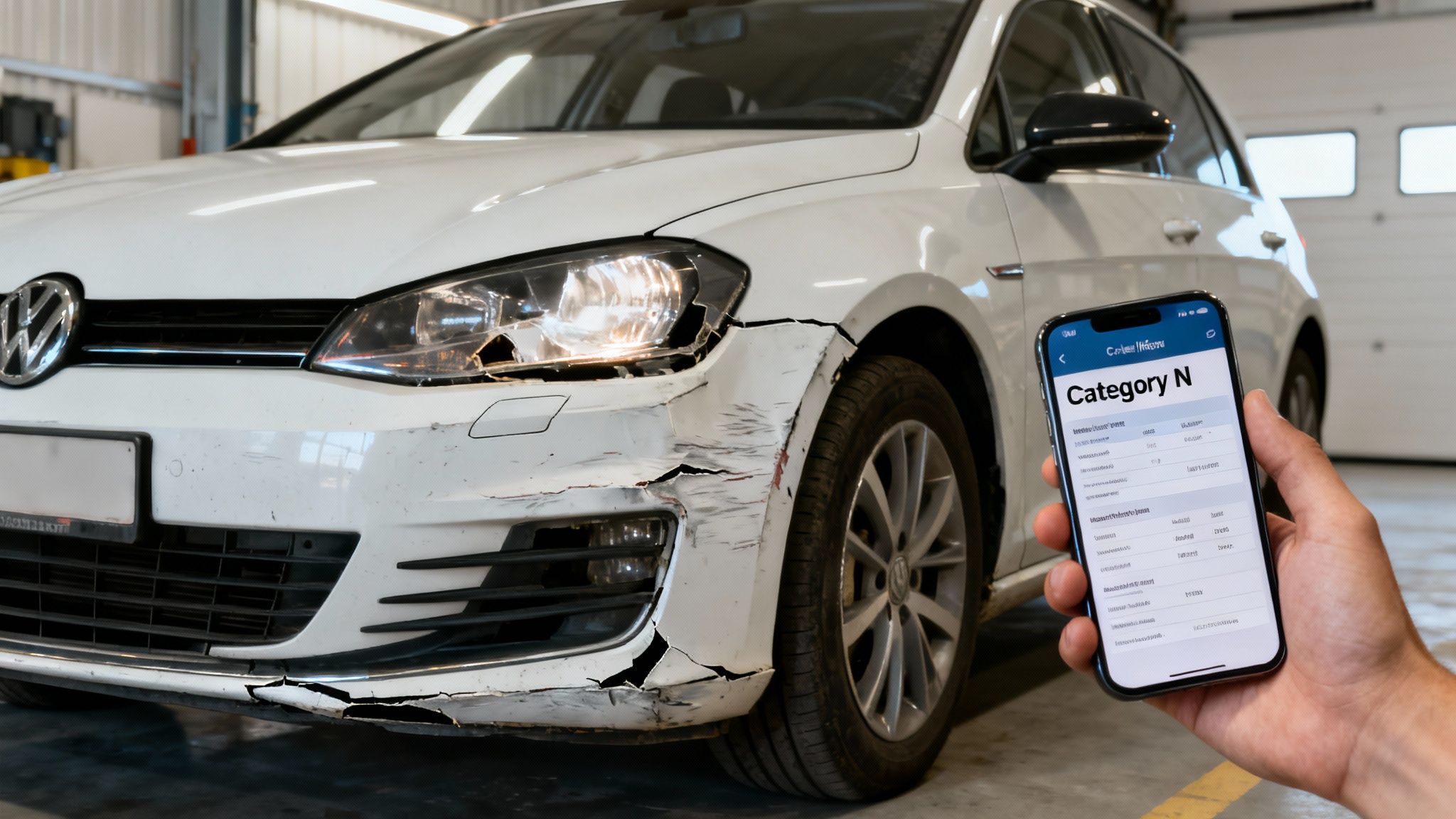
Once a car is categorised, that marker is permanent and will significantly hit its resale value. For a proper deep dive, it's worth checking out our complete guide to what a Cat N write-off means.
This is exactly why, for any dealer, an AutoProv report is absolutely essential. It gives you the full picture, allowing you to confirm the vehicle's history and price it with complete transparency. This level of clarity helps build customer trust and ensures you’re fully aware of the vehicle's past before adding it to your inventory.
Understanding Category S Structural Damage
If Category N is a flesh wound, Category S is a broken bone. It's a much more serious write-off classification because the 'S' stands for Structural damage.
This isn't just a dented door panel we're talking about. We mean damage to the vehicle's core chassis or other crucial structural parts. Think of it like a house with cracks in its foundations – you can repair it, but it absolutely requires a specialist to do the job properly.
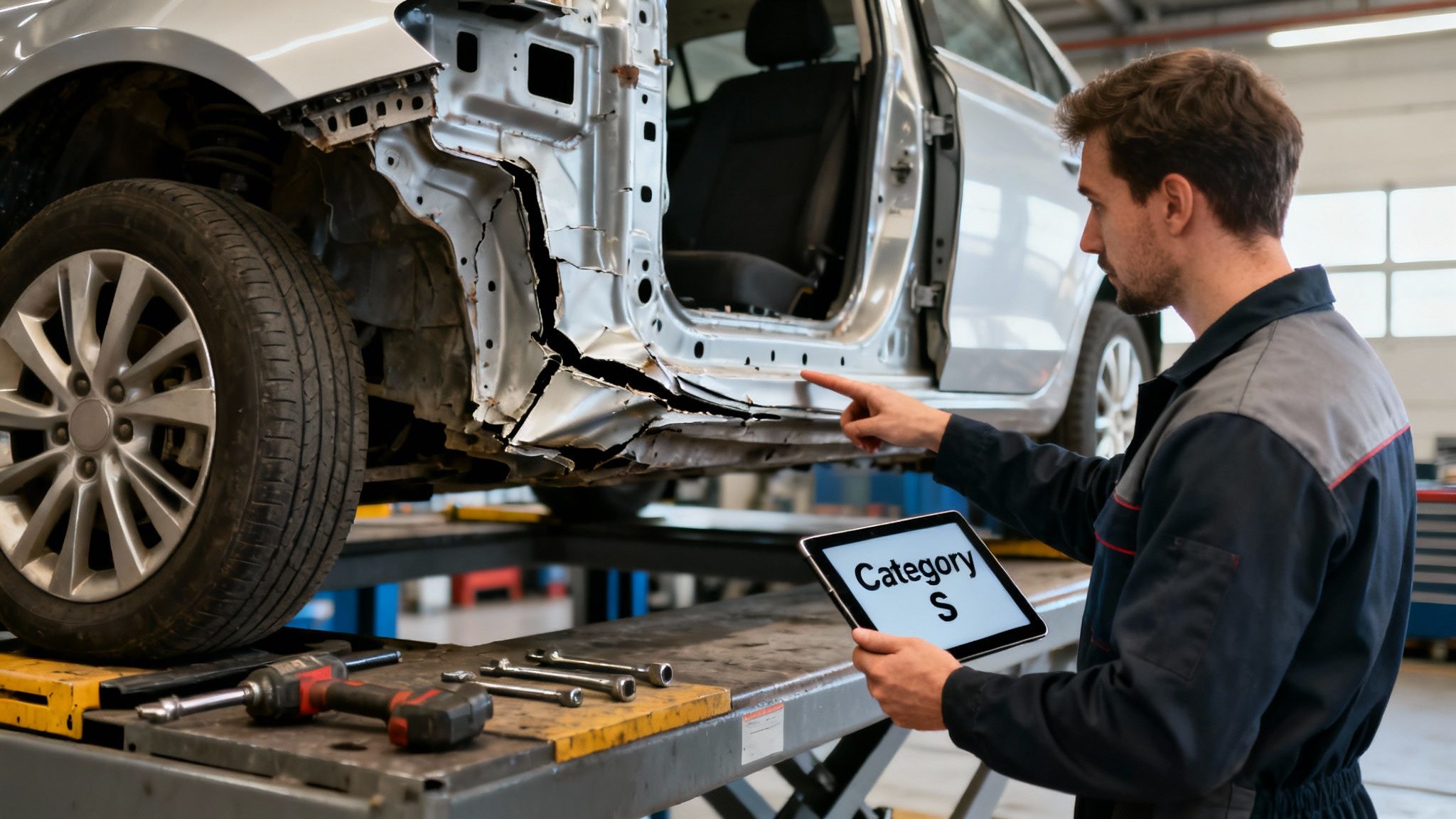
The kind of damage could be anything from a bent or twisted chassis leg to a compromised crumple zone, both of which are fundamental to keeping you safe in a crash. Because of this heightened risk, insurers get nervous. It’s not uncommon to see insurance premiums jump by 50%, sometimes even doubling. You can learn more by reading our guide to finding affordable cover for category cars.
Before a Cat S vehicle can legally be driven on UK roads again, it must be professionally repaired to a high, verifiable standard. This history will always hang over the car, taking a significant chunk out of its resale value. That's why an AutoProv check is non-negotiable; it helps you verify the quality of the repairs so you can buy with your eyes wide open.
Categories A and B: The End of the Road
When a car is slapped with a Category A or B label, it's the final curtain call. These vehicles have suffered such catastrophic damage that they are officially deemed unrepairable and can never legally see a UK road again. They represent the most severe write-off classifications an insurer can assign.
Category B stands for ‘Breaker’. The car itself is done for and the bodyshell must be crushed. However, a licensed professional is permitted to carefully strip it down and salvage non-structural parts – things like the engine, gearbox, or interior trim – for reuse or sale.
Category A is the absolute worst-case scenario. It’s reserved for cars that are so comprehensively destroyed, often through a severe collision or fire, that not a single part is deemed safe or suitable for salvage. The entire vehicle, from bumper to bumper, must be sent to the crusher.
Now, you should never, ever come across a Cat A or B car being offered for sale. But the reality is, criminals can be resourceful. They sometimes use the identity and V5C of a legitimately scrapped vehicle to give a stolen car a new, seemingly legal identity – a practice known as ‘cloning’. This is precisely where an AutoProv history check becomes your most critical tool, acting as a powerful defence to ensure the vehicle in front of you is exactly what it claims to be.
You can dive deeper into the specifics of these labels in our complete guide explaining what salvage title means in the UK.
What About The Old C and D Categories?
If you’re in the market for an older used car, you’ll likely come across the previous write-off categories: C and D. These were the standard classifications here in the UK right up until October 2017, when the system was overhauled to give a clearer picture of a vehicle's damage.
The old system was a bit more blunt, focusing almost entirely on one thing: the cost to repair versus the car’s value before the accident.
Category D was essentially the forerunner to today's Cat N. A Cat D car was one where the insurer decided it wasn't economical to fix, but crucially, the damage was non-structural. Think cosmetic issues, panel damage, or electrical faults that were just too pricey to sort out relative to the car's low value.
Category C was the direct predecessor to Cat S. This label also meant the repair costs were higher than the car was worth, but the key difference was that the damage was structural. Even though these categories aren't assigned anymore, they stick with a car for life. That's why getting a comprehensive check from a service like AutoProv is so important – it helps you decode this older data and get the full, unvarnished history of any vehicle you're looking at.
Protect Yourself With A Professional Vehicle Check
A write-off category is a permanent brand on a vehicle's history. It’s a red flag that can seriously affect its safety, value, and even whether you can get it insured.
That’s why the single most important thing you can do before buying any used car is to run a proper history check. This is where a service like AutoProv becomes an indispensable part of your toolkit. Our checks provide the detailed vehicle provenance data essential for making an informed purchase.
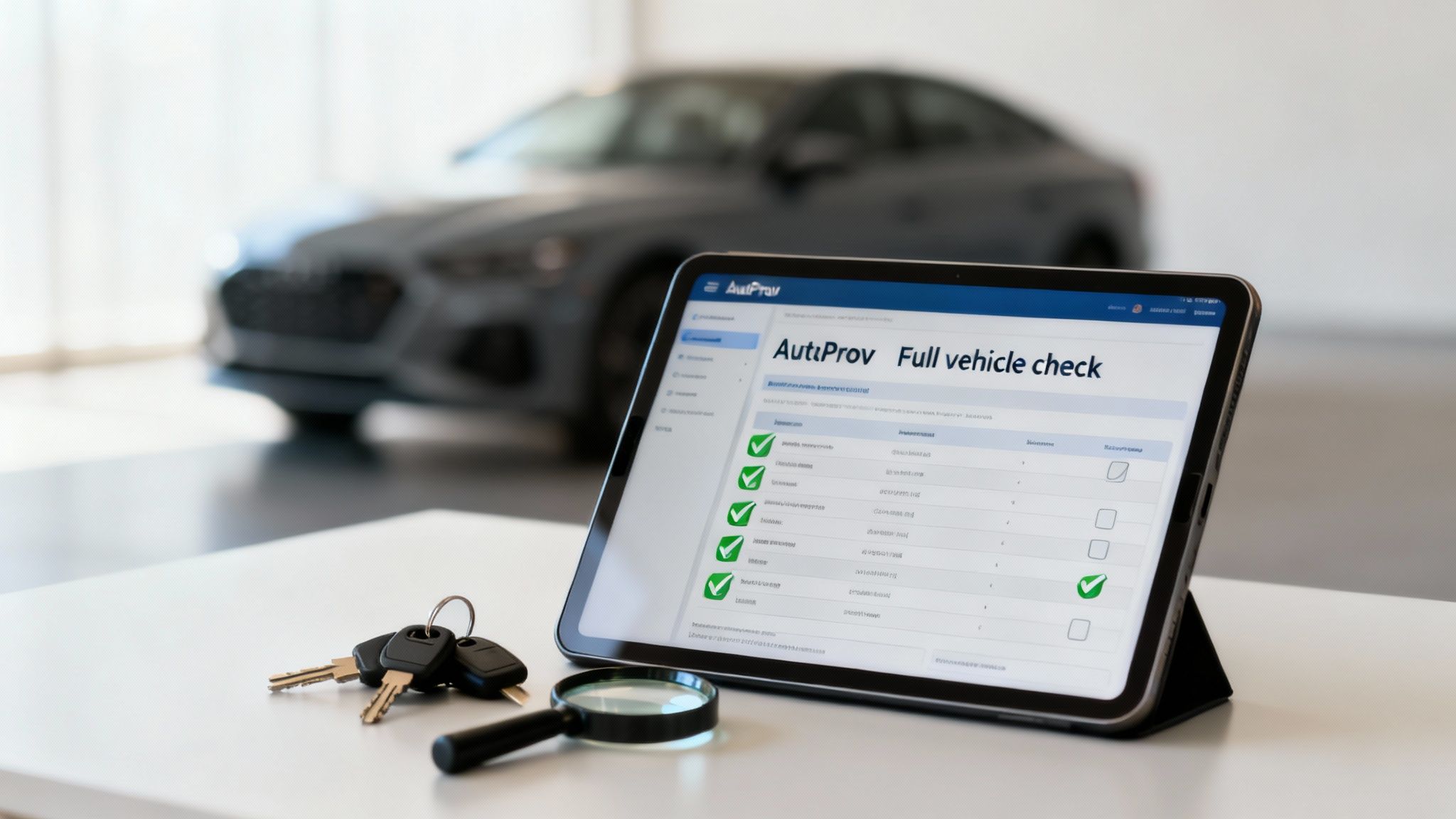
An AutoProv report doesn't just stop at the write-off status. It digs deeper, uncovering any outstanding finance, flagging mileage discrepancies, pulling up the MOT history, and confirming if the vehicle has ever been reported stolen. Getting your head around the importance of these vehicle checks before buying is absolutely crucial.
For a private buyer, it’s the ultimate defence against making a costly mistake. For a dealer, it's a vital due diligence tool that builds customer trust through total transparency.
Before you commit your hard-earned cash, get the full picture. An instant report from AutoProv.ai gives you exactly that.
Got Questions About Write-Offs?
The world of write-off categories can feel like a minefield. It’s no surprise that a few common questions pop up time and time again. Let's tackle them head-on.
Can You Actually Insure a Written-Off Car?
Absolutely, but with a few caveats. Once a Category S or N car has been professionally repaired and is fully roadworthy, you can get it insured. Just be prepared for premiums to be a bit steeper than usual. Some insurers might also ask for an engineer's report before they’ll offer you cover, as they see it as a higher-risk vehicle.
How Do I Find Out if a Car Has Been Written Off?
This is one area where you can't afford to guess. The single most reliable way to uncover a car’s hidden history is with a proper vehicle check. An AutoProv report, for instance, dives deep into a car's past and will flag any write-off status instantly, giving you the full, unvarnished story. Our service is designed to give you complete peace of mind by revealing the data other checks might miss.
Is Buying a Written-Off Car Ever a Good Idea?
It certainly can be. A repaired Cat S or Cat N vehicle can represent a serious bargain, saving you a good chunk of cash compared to a similar model with a clean history. The trick is to weigh up that initial saving against the long-term realities, like a lower resale value down the line and those potentially higher insurance costs. This is where an AutoProv report empowers you, providing the comprehensive background information needed to assess if the risk is worth the reward.
Frequently Asked Questions
AI-Generated Content Notice
This article was created with the assistance of artificial intelligence technology. While we strive for accuracy, the information provided should be considered for general informational purposes only and should not be relied upon as professional automotive, legal, or financial advice. We recommend verifying any information with qualified professionals or official sources before making important decisions. AutoProv accepts no liability for any consequences resulting from the use of this information.
From our AI insights
- Mastering Paint Code Checks: Detecting Hidden Car Repairs
Discover how to use paint code verification to identify hidden car repairs and ensure a smarter purchase.
- UK Part-Exchange Checks: Protecting Dealer Margins
Explore essential part-exchange checks for UK dealers to safeguard profit margins, including provenance and finance verification.
- Why Every Keeper Matters: Insights for UK Car Traders
Understand the importance of checking previous keepers for UK motor trade compliance and risk management.
Related Articles

Your Ultimate Guide to Buying a Used Car in the UK
Navigate the UK used car market with confidence using our comprehensive buying guide. Tips, checks, and AutoProv Provenance insights included.

Difference Between MOT and Service: What You Need to Know
An MOT is a mandatory legal inspection that every car on UK roads needs to pass.Think of it as the government's way of ensuring your vehicle meets the absolute minimum safety and environmental standards to be considered roadworthy. A service, on the other hand, is a completely different beast. It's the proactive maintenance routine recommended by the people who built your car, designed to keep it running smoothly and catch problems before they start. In short, an MOT is a pass-or-fail exam required by law. A service is a comprehensive health plan for your car.
Your Ultimate Used Car Inspection Checklist
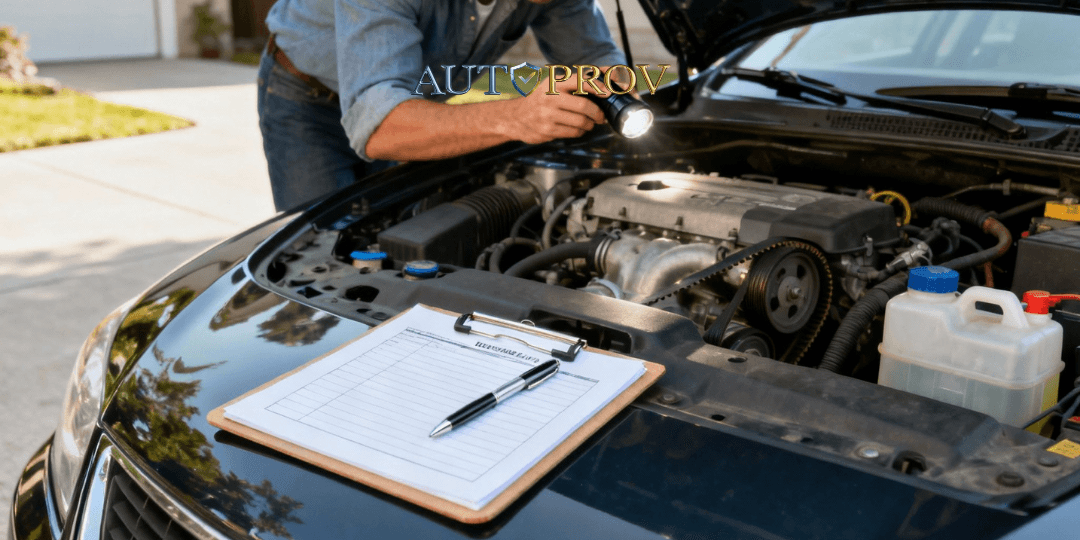
A solid used car inspection checklist is the single most powerful tool you have to avoid buying a lemon. It gives you a methodical way to look past the shiny paint and assess a car's real condition, helping you spot hidden problems and get a fair price before you shake hands on the deal.
Published by AutoProv
Your trusted source for vehicle intelligence