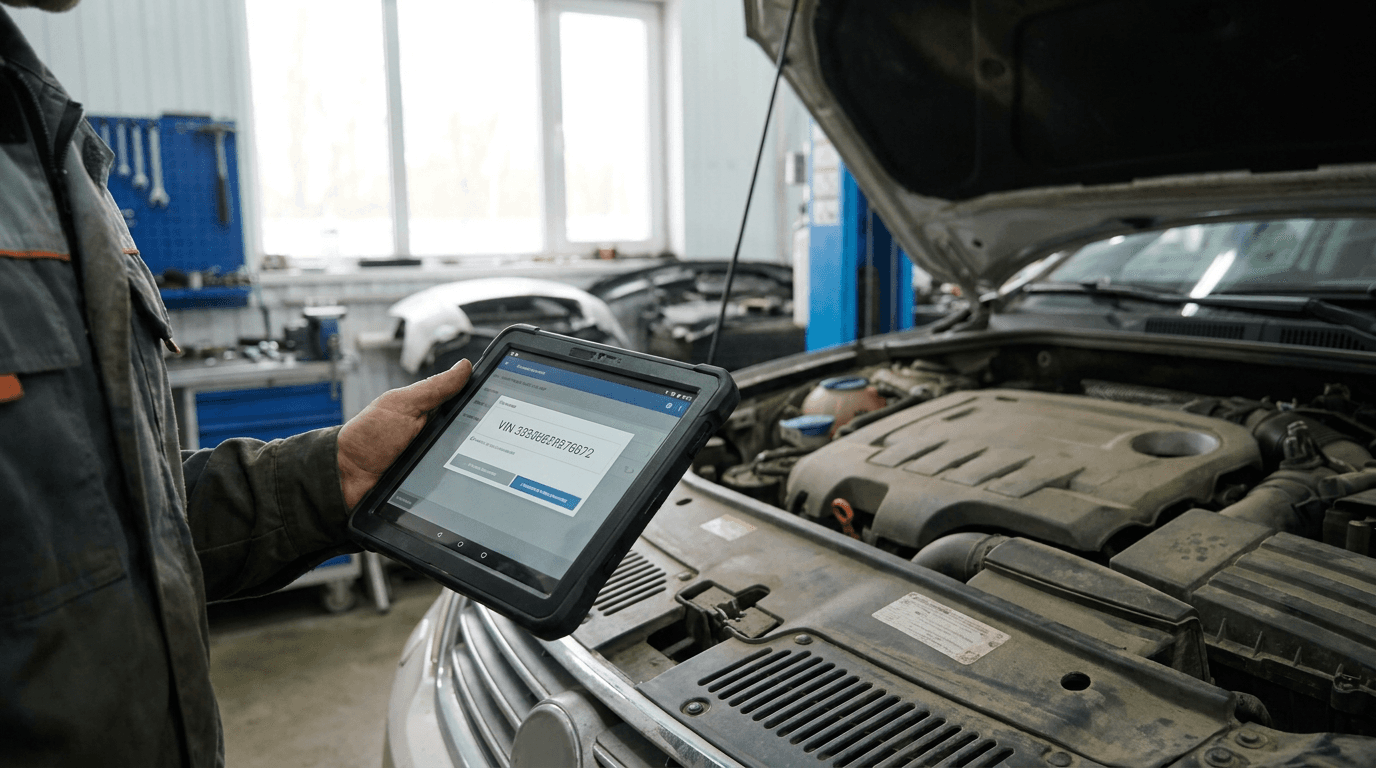
Learn how UK motor traders can verify manufacturer warranty status on used stock, understand transferability rules, and avoid costly warranty disputes.
By CiteFlow
Why Manufacturer Warranty Verification Matters for Motor Traders
Manufacturer warranty status directly affects vehicle value, customer confidence, and your liability exposure. A vehicle advertised with remaining manufacturer warranty commands higher prices and faster sales, but misrepresenting warranty coverage creates Consumer Rights Act 2015 complications and reputational damage. Verifying warranty status before listing protects you from disputes whilst giving buyers legitimate assurance that factory coverage remains active.
The challenge for UK motor traders is that warranty information rarely appears on V5C documents or traditional vehicle checks. Customers assume you have verified what you advertise, yet many dealers rely on the previous keeper's word or estimate warranty expiry from registration dates. This approach fails when vehicles have had warranty work, extensions, or manufacturer-specific terms that alter standard coverage periods.
Professional verification requires accessing manufacturer databases that track warranty registration, claim history, and remaining coverage. The same systems that provide digital service history across manufacturers often contain warranty status, but coverage varies significantly between brands and requires VIN-level interrogation.
Understanding Manufacturer Warranty Types and Transferability
Manufacturer warranties fall into three categories, each with different verification requirements and trade implications. New vehicle warranties typically run for three years or 60,000 miles, whichever occurs first, though premium manufacturers like Kia, Hyundai, and Toyota offer extended periods. These warranties transfer automatically to subsequent keepers provided the vehicle remains within mileage and time limits, but some manufacturers require formal notification of ownership change.
Approved used warranties represent manufacturer-backed coverage sold through franchised networks, usually on vehicles under seven years old with full service history. These warranties differ fundamentally from independent aftermarket products because they use OEM parts and manufacturer-approved repair networks. Transferability depends on whether the warranty was purchased as part of the original sale or added later, with some requiring the new keeper to pay a transfer fee.
Extended warranties purchased from manufacturers before original coverage expires create additional complexity. A three-year warranty extended to five years may show different terms, excess payments, or exclusions compared to the original factory coverage. Verification must confirm not just that warranty exists, but which components remain covered and under what conditions.
Accessing Manufacturer Warranty Data Through Digital Channels
Manufacturer warranty status sits within OEM databases alongside service records, recall information, and technical bulletins. These systems are not publicly accessible, requiring either franchised dealer access or third-party aggregation services that connect to multiple manufacturer networks. The verification process differs substantially from checking MOT history or finance markers because each manufacturer maintains separate systems with unique access protocols.
For vehicles still within their original warranty period, manufacturer databases reveal service history that confirms whether warranty-invalidating events have occurred. A vehicle serviced outside the franchised network may have voided warranty coverage, even if time and mileage limits suggest coverage remains. Warranty status queries typically return registration date, warranty start date, expiry date, mileage limit, and any modifications to standard terms.
Premium and specialist manufacturers often provide more detailed warranty information through their systems, including specific component coverage, previous warranty claims, and whether extended coverage was purchased. This granularity helps you accurately describe warranty status to customers and avoid disputes over what remains covered. Some manufacturers flag vehicles that have had major warranty repairs, information that affects resale value even after warranty expires.
Verifying Warranty Status Without Manufacturer Database Access
When direct manufacturer database access is unavailable, verification requires assembling evidence from multiple sources. The service book provides warranty start dates and may contain stamps from warranty work, though stamped logbooks are increasingly unreliable compared to digital records. Registration date offers a baseline for calculating standard warranty expiry, but this method fails when vehicles had delayed first registration or when manufacturers changed warranty terms.
Contacting the manufacturer's customer service department with the VIN allows you to request warranty status, though response times vary and some manufacturers only provide this information to registered keepers. This approach works for verifying specific vehicles before purchase but does not scale for high-volume operations. Some manufacturers offer online portals where dealers can check warranty status using VIN and registration details, though access typically requires a business account.
The vehicle's service history, whether digital or paper, may contain warranty repair invoices that indicate active coverage at specific dates. Warranty work invoices show the warranty expiry date current at the time of repair, helping you confirm coverage periods. However, this method only works if the vehicle has had warranty claims and assumes the service history is complete and genuine.
Common Warranty Verification Pitfalls and How to Avoid Them
Assuming warranty transfers automatically represents the most common verification error. Whilst most manufacturer warranties do transfer between keepers, some require the new keeper to register with the manufacturer within a specific timeframe, typically 30 days. Failing to inform customers of this requirement means they may lose coverage through administrative oversight, creating a potential mis-selling complaint against your dealership.
Mileage discrepancies invalidate warranty coverage even when time limits suggest active warranty. A vehicle showing 45,000 miles on the clock but 65,000 miles in manufacturer service records exceeds the typical 60,000-mile warranty limit regardless of age. Verifying digital service history reveals these discrepancies before you advertise warranty coverage that no longer exists.
Grey imports and personal imports often lack UK manufacturer warranties despite being identical to UK-supplied vehicles. The VIN structure may indicate non-UK origin, and grey import vehicles require specific verification to determine whether any warranty coverage exists. Advertising manufacturer warranty on these vehicles without verification creates significant liability when customers attempt to claim and discover coverage does not apply.
Modifications void most manufacturer warranties, particularly those affecting powertrain, emissions, or safety systems. A vehicle with a performance remap, non-standard exhaust, or suspension modifications may have had warranty coverage withdrawn by the manufacturer. This information rarely appears in standard vehicle checks but may be visible in manufacturer service records if the modification was noted during a franchised dealer visit.
Documenting Warranty Status for Customer Protection and CRA 2015 Compliance
Accurate warranty documentation protects both your business and your customers under Consumer Rights Act 2015 requirements. When advertising a vehicle with manufacturer warranty, you must be able to evidence that coverage exists and specify what remains covered. Generic statements like "manufacturer warranty remaining" without specifying expiry dates or coverage terms create ambiguity that courts typically interpret in the customer's favour during disputes.
Your pre-delivery inspection documentation should include warranty verification as a standard check, recording warranty expiry dates, mileage limits, and any conditions affecting transferability. This evidence demonstrates due diligence if a customer later disputes warranty status. For vehicles where you cannot verify warranty through manufacturer databases, document your verification attempts and the sources you used to determine warranty status.
When warranty status cannot be confirmed, honest disclosure prevents future disputes. Advertising a vehicle as "service history suggests warranty may remain, buyer to verify with manufacturer" sets accurate expectations whilst acknowledging uncertainty. This approach is preferable to making unverified warranty claims that later prove incorrect, particularly on premium vehicles where warranty status significantly affects value.
The Commercial Value of Verified Warranty Status
Verified manufacturer warranty status accelerates sales and supports higher asking prices, particularly on premium and near-new stock. Customers shopping for vehicles under three years old actively seek remaining warranty coverage, and your ability to provide definitive warranty information differentiates your stock from competitors who cannot verify coverage. This verification becomes a value-added service that justifies your pricing and builds customer confidence.
Warranty status affects your own risk assessment when purchasing stock. A vehicle approaching warranty expiry may require more thorough mechanical inspection because any faults become your responsibility after sale. Conversely, substantial remaining warranty coverage reduces your exposure to mechanical failure claims under Consumer Rights Act 2015, as customers can pursue warranty claims directly with the manufacturer for covered components.
For vehicles where manufacturer warranty has expired, verified warranty history demonstrates the vehicle received proper maintenance during the coverage period. A vehicle with documented warranty claims for minor issues may concern some buyers, but it also proves the vehicle was maintained at franchised dealers and that faults were addressed properly. This transparency, combined with information about used car warranty options, helps customers make informed decisions about extended coverage.
Integrating Warranty Verification Into Your Stock Acquisition Process
Professional stock acquisition requires warranty verification before purchase, not after. At auction or when appraising part-exchanges, knowing warranty status informs your bidding strategy and retail pricing. A vehicle with 18 months of manufacturer warranty remaining justifies a higher purchase price than an identical vehicle where warranty expires in three months, because the warranty coverage directly affects resale value and customer appeal.
Your vehicle appraisal checklist should include warranty verification alongside factory-fitted options verification and service history checks. This integrated approach ensures you understand the complete vehicle profile before committing to purchase. For high-value stock, warranty status verification may reveal whether the vehicle qualifies for manufacturer approved used schemes, opening additional sales channels through franchised networks.
When purchasing from private sellers or non-franchised sources, warranty verification becomes more challenging but equally important. Private sellers often misunderstand warranty transferability or assume coverage remains when it has actually lapsed. Your verification process protects you from inheriting these misunderstandings and passing them to your customers.
Frequently Asked Questions
AI-Generated Content Notice
This article was created with the assistance of artificial intelligence technology. While we strive for accuracy, the information provided should be considered for general informational purposes only and should not be relied upon as professional automotive, legal, or financial advice. We recommend verifying any information with qualified professionals or official sources before making important decisions. AutoProv accepts no liability for any consequences resulting from the use of this information.
From our AI insights
- The Impact of EV Service Records on Resale Value
Discover how electric vehicle service records affect resale value and buyer confidence in the UK market.
- The Importance of Tyre Verification for UK Motor Traders
Discover why verifying tyre specs is crucial for UK traders to ensure safety and compliance.
- Decoding CO2 Emissions: A Trader's Guide
Learn how traders can verify CO2 data using factory build sheets to prevent disputes.
Related Articles

The Importance of Car Maintenance and Provenance Checks
Discover why regular car maintenance and proper provenance checks are essential for vehicle quality and longevity.

Essential Car Maintenance Tips for UK Drivers
Discover vital car maintenance tips to keep your vehicle roadworthy and compliant in the UK.
How Much Is a Car Service? Complete UK Price Guide
Trying to pin down exactly "how much is a car service?" can feel a bit like asking "how long is a piece of string?". Prices vary quite a bit, but to give you a ballpark figure, an interim service will usually set you back around £100 to get started. A more thorough full service often begins at £180, while a major service for many cars can easily top £300.
Published by AutoProv
Your trusted source for vehicle intelligence