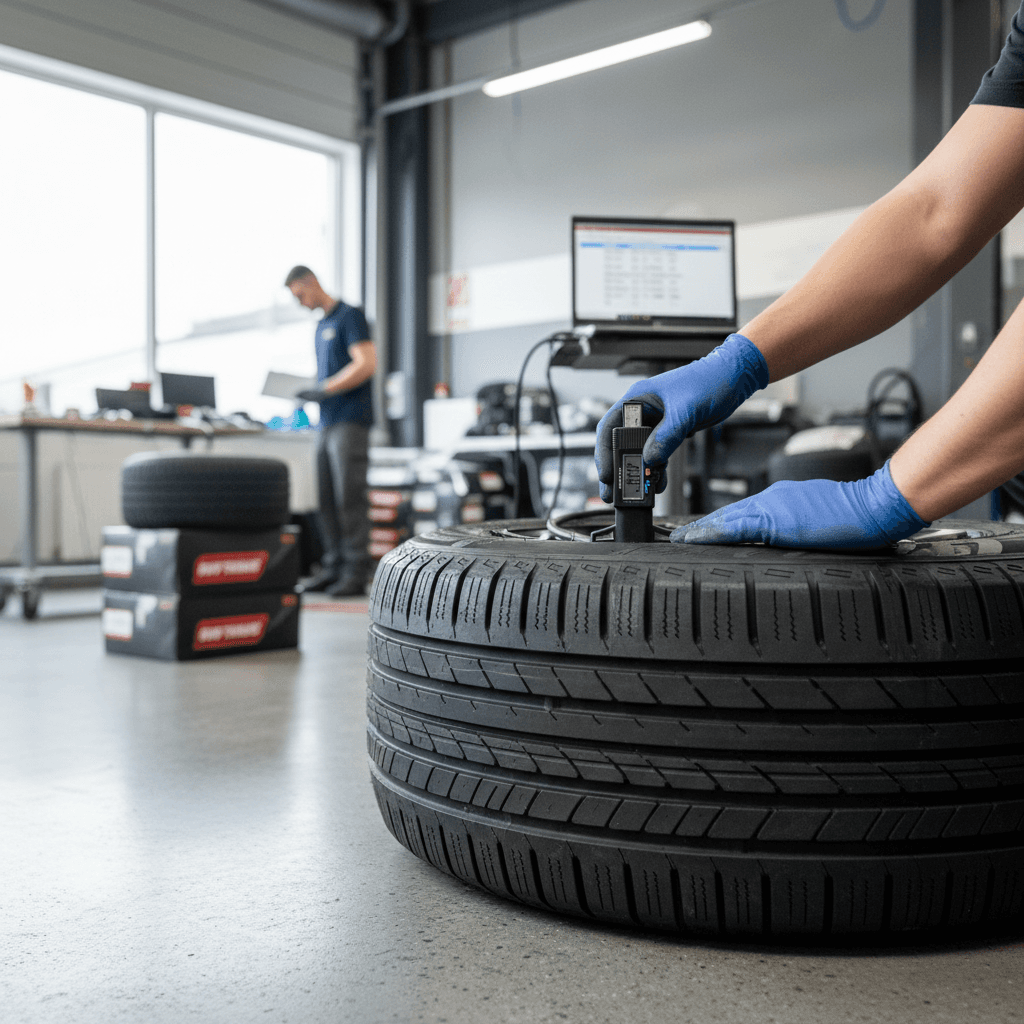
Learn why UK motor traders must verify tyre specifications, sizes, and speed ratings during vehicle checks to avoid liability, ensure safety compliance, and protect
By CiteFlow
Why Tyre Specification Verification Protects Your Dealership
Incorrect tyre specifications create immediate legal liability under the Consumer Rights Act 2015 and Road Traffic Act 1988. When a vehicle leaves your forecourt with tyres that do not meet the manufacturer's minimum speed rating, load index, or size specification, you have sold goods that are not fit for purpose, regardless of tread depth. This exposes you to rejection claims, potential insurance invalidation for the customer, and in serious cases, prosecution if an accident occurs. Beyond legal risk, mismatched tyres affect vehicle handling, braking distances, and electronic stability systems, creating genuine safety hazards that undermine customer trust and your professional reputation.
The financial implications extend beyond the immediate sale. Fitting correct replacement tyres post-sale erodes profit margins significantly, particularly on premium or performance vehicles where correct-spec tyres can cost £150 to £400 each. Identifying specification mismatches during pre-purchase inspection allows you to negotiate purchase price accordingly or walk away from problematic stock entirely.
What Constitutes Correct Tyre Specification
Correct tyre specification means each tyre meets or exceeds the manufacturer's original equipment (OE) requirements across multiple parameters. The tyre size must match the approved sizes listed on the vehicle's VIN plate or door jamb sticker, typically expressed in the format 205/55R16 (width/aspect ratio/diameter). The load index must meet or exceed the minimum rating for the vehicle's maximum axle weight. The speed rating must equal or surpass the vehicle's maximum design speed, coded by letters from Q (99 mph) through to Y (186 mph).
Additionally, all four tyres should be the same construction type (radial vs cross-ply), and mixing run-flat with conventional tyres is prohibited on most vehicles. Directional and asymmetric tyres must be fitted correctly, with directional arrows pointing forward and asymmetric sidewalls marked 'outside' facing outward. Factory build data and vehicle specifications provide the definitive reference for what the manufacturer originally fitted and approved.
Seasonal considerations matter too. While all-season and winter tyres are legal if they meet speed and load requirements, fitting winter tyres rated below the vehicle's maximum speed creates compliance issues unless a speed restriction notice is displayed in the driver's eyeline.
Common Tyre Specification Errors Found on Trade Stock
Budget replacements frequently sacrifice speed rating to reduce cost. A vehicle originally fitted with V-rated tyres (149 mph) may arrive with H-rated alternatives (130 mph), technically illegal if the vehicle's maximum speed exceeds 130 mph. This is particularly common on German saloons, hot hatches, and anything with a performance badge. The previous owner saved perhaps £40 per tyre but created a compliance nightmare for you.
Mismatched sizes across axles appear regularly, especially on vehicles that have suffered accident damage or amateur repairs. You might find 225/45R17 on the front and 225/50R17 on the rear of the same vehicle, creating different rolling radii that confuse ABS, traction control, and four-wheel-drive systems. On AWD vehicles, this can cause expensive transmission damage over time.
Incorrect load ratings are less visible but equally problematic. Commercial derivatives, panel vans converted to crew cabs, and vehicles used for towing often require higher load index tyres (typically 'C' rated for commercial use). Fitting standard passenger car tyres to these vehicles leaves them overloaded and potentially uninsured.
Space-saver spare wheels fitted as permanent replacements represent another recurring issue. These temporary spares are speed-limited to 50 mph and designed for emergency use only, yet some sellers fit them permanently to avoid buying a proper replacement. Similarly, you will encounter vehicles where the spare wheel well contains no spare at all because the seller removed a deflated or damaged spare rather than replacing it.
How Incorrect Tyres Affect Vehicle Systems and Safety
Modern vehicles rely on precise wheel speed data from ABS sensors to operate stability control, traction control, and brake distribution systems. When tyre diameters vary by even 3% between axles, these systems receive conflicting data. The ECU may disable stability control entirely, illuminate warning lights, or in some cases, apply inappropriate brake force that destabilises the vehicle during emergency manoeuvring.
Braking distances increase measurably with incorrect tyre specifications. Premium tyres designed for the vehicle typically outperform budget alternatives by several metres in wet braking tests from 70 mph. More critically, tyres rated below the vehicle's maximum speed may experience structural failure at sustained high speeds, particularly in hot weather or when carrying heavy loads.
Four-wheel-drive and all-wheel-drive systems suffer mechanical damage from mismatched rolling radii. The centre differential or viscous coupling experiences constant stress as it tries to compensate for different wheel speeds front to rear. This can destroy the transfer case within thousands of miles, creating repair bills that dwarf the original tyre saving.
Electronic parking brakes calibrate themselves based on expected tyre diameter. Fitting significantly different sizes can prevent the parking brake from releasing properly or cause it to apply insufficient holding force on inclines. Similarly, tyre pressure monitoring systems (TPMS) may trigger false warnings or fail to alert when pressures are genuinely low if non-original tyres are fitted.
Verification Process for Trade Buyers
Start your inspection by checking the vehicle's VIN plate, usually located on the driver's door jamb or B-pillar. This lists approved tyre sizes, pressures, and sometimes speed ratings for different load conditions. Cross-reference this against what is actually fitted. If the VIN plate is missing or illegible, vehicle specification data by registration provides manufacturer-approved alternatives.
Physically inspect all four tyres plus the spare. Read the complete sidewall marking (for example, 225/45R17 94W) and verify each element. The final letter is the speed rating, the number before it is the load index. Check that all four tyres share the same speed rating and that it meets the vehicle's requirement. Confirm sizes match exactly unless the manufacturer explicitly approved staggered fitments (common on rear-wheel-drive performance cars).
Look for the DOT date code on each tyre sidewall, a four-digit number showing week and year of manufacture (for example, 2319 means the 23rd week of 2019). Tyres older than six years should be replaced regardless of tread depth due to rubber degradation. This is particularly important for spare wheels, which often sit unused for a decade.
Test the TPMS functionality by checking the dashboard for warning lights with the ignition on. If the TPMS light is illuminated, either a sensor has failed or incorrect tyres have confused the system. Both scenarios require resolution before sale.
For commercial vehicles, light goods vehicles, and anything with a gross vehicle weight over 3,500 kg, verify that tyres carry the appropriate load rating markings. Commercial tyres are marked with 'C' after the diameter (for example, 215/65R16C) and have reinforced sidewalls.
Legal and Compliance Considerations
The Consumer Rights Act 2015 requires vehicles to be of satisfactory quality, fit for purpose, and as described. Selling a vehicle with incorrect tyre specifications breaches all three requirements. The customer can reject the vehicle within 30 days for a full refund, or within six months with you bearing the burden of proof that the fault was not present at sale. Understanding your CRA 2015 rejection rights timeline explains the specific obligations.
The Road Traffic Act 1988 and Construction and Use Regulations make it an offence to use a vehicle with tyres unsuitable for the use to which the vehicle is being put. This includes speed rating, load capacity, and tyre type. While the offence technically applies to the user rather than the seller, selling a non-compliant vehicle creates reputational damage and potential liability if an accident occurs.
Insurance implications are significant. Many motor insurance policies contain clauses that allow the insurer to refuse claims if the vehicle does not meet manufacturer specifications. If your customer has an accident and the insurer discovers incorrect tyre specifications, they may refuse the claim and potentially pursue you for selling a non-compliant vehicle.
From a due diligence perspective, complete vehicle appraisal checklists should always include detailed tyre verification. Documenting that you checked and confirmed correct specifications protects you if a customer later fits incorrect tyres themselves and attempts to claim the fault existed at sale.
Impact on Stock Valuation and Purchasing Decisions
Incorrect tyres should trigger an immediate price adjustment during negotiation. If a vehicle requires four new tyres to meet manufacturer specification, deduct the full replacement cost plus fitting from your maximum bid. For a typical family car, budget £300 to £500. For premium or performance vehicles with large diameter wheels, the cost easily reaches £800 to £1,200.
Consider the reputational risk of selling vehicles with specification issues. Even if you disclose the problem and reduce the price accordingly, some customers will perceive this as evidence of poor previous maintenance or neglect. This is particularly true for prestige marques where customers expect meticulous maintenance history.
Vehicles with mismatched or incorrect tyres often exhibit other maintenance shortcuts. If the previous owner fitted budget tyres with incorrect speed ratings to save money, what else did they skimp on? This should prompt more thorough investigation of service history, fluid conditions, and wear items. The tyre specification becomes an indicator of overall vehicle care.
For auction purchases, factor tyre replacement into your buying decision before bidding. Auction buying strategies should include visual tyre assessment from auction photographs where possible, though detailed specification verification requires physical inspection.
How Build Sheet Data Prevents Tyre Specification Errors
Factory build sheets and OEM specification data provide definitive confirmation of original tyre fitment. Unlike VIN plates that can be damaged, painted over, or removed, digital build data retrieved directly from manufacturer databases cannot be altered. This data shows exactly what the factory fitted when the vehicle left the production line, including tyre brand, size, speed rating, and any approved alternatives.
Build sheet verification is particularly valuable for modified vehicles, grey imports, and parallel imports where UK specification data may not match the actual vehicle. A vehicle imported from Europe might have different approved tyre sizes than the UK-market equivalent, and only the original build data confirms what is correct for that specific VIN.
For prestige and performance vehicles, build data reveals whether the vehicle left the factory with optional larger wheels and corresponding tyre specifications. A BMW M3 might have 18-inch or optional 19-inch wheels, each requiring different tyre sizes and speed ratings. Confirming the original specification prevents accidentally fitting 18-inch tyres to 19-inch wheels or vice versa.
Practical Steps When Incorrect Tyres Are Discovered
If you discover incorrect specifications during pre-purchase inspection, you have three options. First, negotiate a price reduction equal to the replacement cost plus a margin for your inconvenience. Second, request the seller fits correct tyres before completing the purchase. Third, walk away if the seller refuses and the vehicle otherwise lacks appeal.
For stock already on your forecourt, rectify the issue immediately. Selling a vehicle with known specification defects creates liability you cannot mitigate through disclaimers or 'sold as seen' clauses. The cost of fitting correct tyres is a business expense that protects you from far larger costs later.
Document everything. Photograph the original incorrect tyres showing sidewall markings, photograph the VIN plate showing required specifications, and retain invoices for replacement tyres. This documentation proves you identified and corrected the issue, protecting you if the customer later claims other problems existed at sale.
For customers who specifically request budget tyres or lower specifications to reduce costs, refuse politely. You cannot knowingly sell a vehicle with incorrect specifications even if the customer requests it. The legal obligation to supply goods fit for purpose cannot be waived by customer preference.
Integration with Comprehensive Vehicle Checks
Tyre specification verification should form part of your standard pre-purchase vehicle inspection, alongside VIN verification, mileage validation, and finance checks. Each element contributes to a complete risk assessment that protects your investment and ensures compliance.
Comprehensive provenance reports that include factory specification data allow you to verify tyre requirements against manufacturer standards instantly. Rather than manually researching approved tyre sizes for each vehicle, specification data shows exactly what the factory fitted and what alternatives the manufacturer approved.
This integration is particularly valuable when buying multiple vehicles quickly at auction or from trade sources. You can verify tyre specifications as part of your initial assessment rather than discovering problems after purchase when negotiation is no longer possible.
Cost-Benefit Analysis of Specification Verification
The time investment in thorough tyre specification checking is minimal, typically adding three to five minutes to your vehicle inspection. The potential cost avoidance is substantial. A single rejected vehicle under CRA 2015 due to incorrect tyres can cost you the full sale price plus transport costs, easily reaching several thousand pounds.
Preventing one insurance-related dispute or safety incident justifies checking every vehicle you purchase. The reputational damage from selling unsafe vehicles cannot be quantified but will affect your business for years through negative reviews and lost customer trust.
From a pure profit perspective, identifying incorrect tyres during purchase negotiation allows you to adjust your bid appropriately. Missing this during inspection means you absorb the replacement cost from your margin, directly reducing profitability on that vehicle.
Frequently Asked Questions
AI-Generated Content Notice
This article was created with the assistance of artificial intelligence technology. While we strive for accuracy, the information provided should be considered for general informational purposes only and should not be relied upon as professional automotive, legal, or financial advice. We recommend verifying any information with qualified professionals or official sources before making important decisions. AutoProv accepts no liability for any consequences resulting from the use of this information.
From our AI insights
- The Importance of Tyre Verification for UK Motor Traders
Discover why verifying tyre specs is crucial for UK traders to ensure safety and compliance.
- Decoding CO2 Emissions: A Trader's Guide
Learn how traders can verify CO2 data using factory build sheets to prevent disputes.
- Navigating Recall Compliance for UK Car Traders
Ensure compliance with recall regulations: essential steps for UK car traders.
Related Articles
The Importance of Car Maintenance and Provenance Checks
Discover why regular car maintenance and proper provenance checks are essential for vehicle quality and longevity.

Essential Car Maintenance Tips for UK Drivers
Discover vital car maintenance tips to keep your vehicle roadworthy and compliant in the UK.

How Much Is a Car Service? Complete UK Price Guide
Trying to pin down exactly "how much is a car service?" can feel a bit like asking "how long is a piece of string?". Prices vary quite a bit, but to give you a ballpark figure, an interim service will usually set you back around £100 to get started. A more thorough full service often begins at £180, while a major service for many cars can easily top £300.
Published by AutoProv
Your trusted source for vehicle intelligence