
A dealer asking for the most reliable 4 wheel drive often means one thing and needs another. The usual answer is a brand list, a survey result, or a consumer ranking. That's useful background, but it isn't enough for a trade buyer deciding whether to commit capital, price stock confidently, and stand behind a sale.
In the UK motor trade, reliability is a commercial risk question. The right 4x4 isn't the one that breaks least often on paper. It's the one that combines durable mechanicals with clean, verifiable vehicle provenance, consistent servicing, credible mileage, and a history that doesn't point to hidden abuse. That's the difference between stock that turns cleanly and stock that comes back with margin erosion attached.
Beyond Consumer Rankings What Reliability Means for the Trade
Consumer reliability lists tend to flatten the issue. They tell you which models score well overall, but they rarely tell you whether a used example is likely to create a comeback, a negotiation problem, or an expensive post-sale discussion over drivetrain noise, transfer case faults, suspension wear, or corrosion.

For the trade, reliability has a different meaning. It means predictable failure exposure, repair costs you can reasonably absorb or price for, and a lower chance of selling into a dispute. A 4x4 with an impressive reputation but a complicated, ageing electronic four-wheel-drive system can be a weaker stocking decision than a simpler vehicle with a cleaner history and easier repair path.
Reliability is cost control, not just breakdown avoidance
A dealer doesn't earn from abstract reliability. A dealer earns from stock selection, preparation discipline, and margin protection.
That changes the test. Ask:
- Can the drivetrain be assessed properly: Not just whether it engages on a brief road test, but whether its behaviour matches the service and usage pattern.
- Can likely faults be priced into the deal: Some vehicles fail infrequently but hurt badly when they do.
- Can the history support the mechanical story: If the paperwork, MOT pattern, and ownership timeline don't make sense, the badge doesn't rescue the buy.
Practical rule: A reliable 4x4 for retail stock is one you can explain as confidently on provenance as on mechanics.
Why rankings alone can mislead
The phrase most reliable 4 wheel drive is often treated as if it were model-specific and universal. It isn't. In real trade conditions, reliability is affected by towing, off-road use, winter use, tyre mismatch, neglected servicing, corrosion exposure, and repeated short ownership cycles.
That's why a dealer-level vehicle history check UK process needs more than a pass or fail result. You need context. A used car history report might tell you a vehicle has no obvious write-off marker, but it won't always tell you whether the ownership pattern suggests a vehicle that's been moved on before a known fault becomes unavoidable.
A strong buying process looks at the vehicle in two layers:
Trade reliability lens What it means in practice Mechanical durability Proven drivetrain layout, manageable repair path, sensible parts and labour exposure Vehicle provenance MOT history, mileage credibility, ownership timing, advisory patterns, service continuity Retail risk Likelihood of comeback, complaint, warranty cost, or margin loss Stock suitability Whether the vehicle fits your forecourt, buyer profile, and prep capability That's why dealer vehicle checks need to go beyond general reputation. For a trader, reliability isn't a popularity contest. It's the probability that a unit will stay profitable after purchase, prep, sale, and handover.
UK 4x4 Reliability Benchmarks The Mechanical Contenders
The trade still needs benchmarks. Model-level data gives you a useful starting point, especially when it includes both claim frequency and claim cost. That second part matters because low-volume but expensive failures can distort the economics of a used 4x4 very quickly.
Early in appraisal, a simple comparison helps separate strong mechanical contenders from vehicles that only look attractive because of badge appeal.
Model Reliability signal Trade takeaway Suzuki Ignis Lowest claim rate in the cited UK claims dataset Strong benchmark for low claim frequency Volkswagen T-Roc Close to the Ignis on claim rate, with a higher average claim cost than the Land Cruiser Competitive claims profile, but cost still matters Toyota Land Cruiser Higher claim rate than the two above, but lower average claim cost in the same dataset Good example of why frequency alone doesn't define risk 
What the UK claims data actually shows
A useful UK benchmark comes from Warranty Solutions Group's analysis of over 1,500 repair claims across 18 popular 4x4 models. In that dataset, the Suzuki Ignis ranked first with a 3.57% claim rate and an average warranty claim of £595.14. The Volkswagen T-Roc followed with a 4.03% claim rate and an average claim of £631.71. The Toyota Land Cruiser placed third with an 8.70% claim rate and a lower average claim cost of £377.85.
Those figures matter because they show why trade buyers shouldn't reduce reliability to a single league table. The Land Cruiser's position is the clearest example. It doesn't have the lowest claim frequency in that dataset, but its average claim cost is lower than the two models above it. That changes the commercial reading.
What works for traders and what doesn't
What works is using benchmark data as a screening tool, not a buying decision in isolation.
Useful applications include:
- Setting initial appetite: If a model consistently appears in positive reliability conversations, it may deserve a closer look.
- Adjusting prep assumptions: A vehicle with manageable average claim exposure can still make sense if the buy price reflects likely work.
- Testing margin resilience: If repair severity is likely to be painful, your entry price needs to be sharper.
What doesn't work is assuming a good model automatically equals a good stock unit. A reliable platform can still hide transfer box neglect, diff wear, poor tyre matching, or electronic faults that a generic road test misses. That's where mechanical inspection and fault-reading matter. Even basic checks can help if they're done properly, and a structured approach to diagnostics such as using an OBD2 reader on used vehicles can support a more disciplined appraisal.
The trade question isn't “Which 4x4 ranks highest?” It's “Which 4x4 gives me the lowest exposure once this specific example is bought, prepared, and retailed?”
The Provenance Problem Hidden Risks in Reliable 4x4s
A mechanically respected 4x4 can still be the wrong buy. That's the part many rankings don't answer, and it's where margin gets lost. In the used market, reliability is heavily shaped by how the vehicle has been used, maintained, and moved through ownership.

The clearest trade principle is simple. A durable model with poor provenance is often riskier than a less celebrated one with a cleaner history. That applies particularly to 4x4s because usage varies so much. Towing, green-laning, farm use, winter road salt, oversized wheels, and budget tyre replacement all leave patterns.
The red flags that change a buying decision
Trade buyers should cross-check MOT history, mileage progression, and ownership timing before assuming a 4WD system is dependable. A JD Power 4x4 SUV rankings page is relevant here not for a new set of numbers, but for the practical point that even durable models such as the Jeep Wrangler or Toyota Land Cruiser become high-risk purchases when their provenance shows repeated underbody advisories, mismatched mileage, or rapid ownership changes.
That's the gap between a basic history check and genuine trade vehicle intelligence.
Key warning signs include:
- Repeated underbody advisories: These can point to off-road impact, corrosion exposure, or a vehicle that has done harder work than the odometer suggests.
- Mileage that progresses oddly: Not every anomaly is fraud, but every anomaly needs explaining.
- Short-term ownership cycles: Fast turnover between keepers can indicate an unresolved fault being passed along.
- Advisory clustering: Suspension, steering, corrosion, and tyre issues appearing together often tell a stronger story than any one item alone.
Corrosion and underbody condition need context
A 4x4 can look tidy in the lanes and still be poor underneath. That matters more in this segment than many buyers admit, because rust, seized components, and neglected underbody protection often sit behind later suspension and drivetrain complaints. For traders wanting a practical guide to prevention and underbody care, Derek's Auto Detail on rust prevention service is a useful reference.
A clean valeting job can hide cosmetic age. It can't hide a bad ownership pattern for long.
A fuller vehicle provenance process earns its keep here. Dealers need to know whether the current story matches the historical one. A proper provenance workflow should test ownership sequence, MOT themes, mileage credibility, and event timing together, not as isolated data points. That's why a structured review such as this guide to a car provenance report in the UK is more useful than a one-line pass result.
A so-called reliable 4x4 isn't reliable for the trade if its history suggests hidden wear, interrupted maintenance, or repeated disposal by previous owners.
A Trade-Focused Buying Checklist for 4x4 Acquisitions
The right appraisal process for a used 4x4 combines workshop discipline with history analysis. It should be quick enough to use at buying speed, but thorough enough to catch the kind of issues that produce comeback costs later.

One question deserves more attention than it usually gets. Is the system simple enough to age well in the used market? Recent comparative commentary on 4x4 systems notes that modern electronic torque management, multiple drive modes, and sensor-dependent software add complexity and potential failure points. For traders, the key issue isn't only reputation. It's which vehicle carries the lowest risk of expensive hidden drivetrain issues once age, mileage, and MOT history are taken into account, as discussed in this comparison of 4x4 system complexity.
The acquisition checklist dealers should actually use
- Start with system type
- Identify whether you're looking at a relatively simple mechanical setup or a more software-led arrangement. Simpler systems often make diagnosis and long-term ownership risk easier to manage.
- Read the MOT history as a pattern
- Don't just note the latest pass. Look for recurring advisories around corrosion, suspension wear, steering, tyres, and underbody condition.
- Check service evidence against likely use
- A tow-capable 4x4 with patchy service history deserves extra scepticism. Drivetrain fluids, transmission servicing, and differential maintenance matter.
- Road test in a way that loads the vehicle properly
- Listen for transmission shunt, diff whine, vibration under load, tight-turn binding, and hesitation when systems engage.
Mechanical checks that should never be rushed
Use a practical workshop sequence:
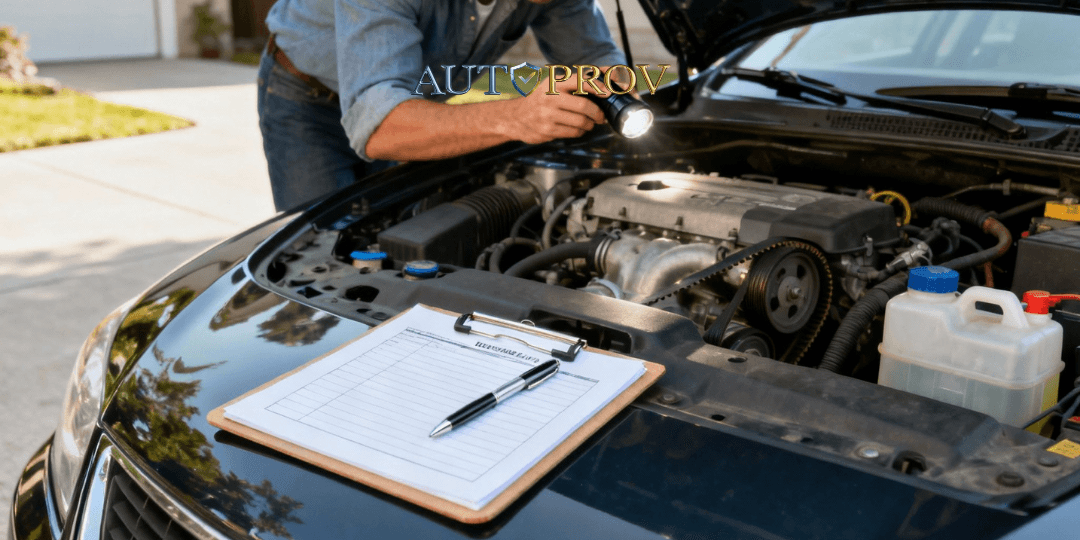
- Fluids and leaks: Check gearbox, transfer case, diff housings, and signs of weeping seals.
- Tyre matching: Mixed brands, uneven wear, and poor circumference matching can create drivetrain stress.
- Underbody inspection: Look for impact damage, corrosion, poor repairs, and signs of repeated off-road contact.
- Electronic function: Test mode selection, warning lights, sensors, and any terrain-management system properly.
Buying discipline: The more complex the 4WD system, the less forgiving the vehicle usually is of weak maintenance history.
Provenance checks belong in the same process
A strong acquisition routine shouldn't split mechanics from history. They should inform each other. If the underbody looks rough, the MOT record should help explain why. If the mileage is low, the wear pattern should make sense.
For consistency, many dealers benefit from running a fixed preparation and inspection workflow before they set a bid. A simple reference point is a structured car service checklist for used vehicle assessment, adapted to include 4x4-specific drivetrain and provenance items.
That's how you move from instinct-based buying to motor trade risk control.
In Practice How Vehicle Intelligence Shapes a Smarter Buy
The difference between a good 4x4 and a good stock unit becomes clearer when you compare actual buying scenarios.
Example one, strong badge, weak history
A dealer is offered a Toyota Land Cruiser at an attractive trade figure. The model has a deserved reputation for durability, and that reputation can make buyers less critical than they should be. On first view, the vehicle feels like safe stock because the badge carries confidence.
The problem appears when the history is read properly. The ownership pattern is unsettled. The service record is incomplete. MOT themes suggest underbody concerns rather than isolated age-related wear. In trade terms, that changes the unit from desirable to exposed.
A proper used car history report matters more than a model ranking. A deeper check of ownership timelines, mileage credibility, and MOT context often tells you whether the low entry price is really a discount or deferred liability.
Example two, less prestige, cleaner buy
Now compare that with a simpler 4x4 that doesn't generate the same instant excitement on the forecourt. It has a straightforward drivetrain, a coherent service file, consistent mileage progression, and no obvious pattern of repeated advisories. The road test aligns with the paperwork. The wear makes sense for the age.
That vehicle may never top a consumer shortlist for the most reliable 4 wheel drive, but it can be the better trade decision. Why? Because it's easier to appraise, easier to prepare, and easier to retail with confidence.
The trade gains are practical:
- Pricing confidence: You know what you're standing behind.
- Lower dispute risk: The history supports the description.
- Cleaner prep planning: Less uncertainty means better margin discipline.
- Better stock fit: Not every forecourt needs a prestige off-roader with hidden complexity.
Why point-of-decision intelligence matters
Dealers don't buy abstract vehicles. They buy individual examples with individual histories. That's why point-of-decision dealer vehicle checks matter. Tools that focus on anomaly detection, ownership timing, mileage signals, and historical context are more useful than generic reassurance.
One example is AutoProv's guide to choosing the best car check website, which reflects the wider trade reality that a history product is only useful if it helps interpret risk, not just list data.
A profitable buying decision usually comes from choosing the vehicle that is easier to prove, easier to prepare, and easier to defend after sale. In the 4x4 market, that often means backing provenance over prestige.
The Definitive Answer The Most Reliable 4x4 for Your Forecourt
The trade answer to most reliable 4 wheel drive isn't a single badge or model. It's a type of stock decision.
The most reliable 4x4 for a UK dealer is the one that combines proven mechanical durability with clean, verifiable provenance. If either side is weak, the risk rises. Strong hardware with poor history is a dangerous buy. Clean history attached to a vehicle with overcomplicated, poorly ageing systems can also be the wrong stock for your customer base and workshop capability.
What the broader pattern tells dealers
Historical ranking data from Car and Driver's 4x4 SUV list reinforces a long-running pattern. Body-on-frame platforms, particularly from manufacturers such as Toyota and Ford, continue to dominate reliability conversations. For the UK motor trade, the practical lesson isn't to copy an American ranking wholesale. It's that designs built around durability rather than complexity often present lower long-term risk, provided the history is clean.
That final condition matters most.
The real rule for forecourt buying
Use this test before you buy:
- Is the platform mechanically credible
- Is the provenance coherent
- Can the prep risk be estimated with confidence
- Does the vehicle suit your retail profile and aftersales tolerance
If the answer to any of those is unclear, it isn't the most reliable 4x4 for your business, whatever the brand reputation says.
For dealers working in this segment, better decisions come from combining workshop assessment, MOT interpretation, mileage analysis, and ownership context into one process. A focused reference point is AutoProv's guide to the best used 4x4s, especially if your buying team wants to compare platform strength with provenance risk rather than rely on model reputation alone.
That's what reliability means in the trade. Not a headline. A defendable buying decision.
For dealers who want a clearer view of vehicle provenance, mileage anomalies, ownership timing, and hidden motor trade risk before buying stock, AutoProv provides UK-focused vehicle history and risk intelligence designed for point-of-decision use. It's a practical way to support vehicle history check UK workflows, strengthen dealer vehicle checks, and make used 4x4 buying decisions on evidence rather than reputation.
Frequently Asked Questions
AI-Generated Content Notice
This article was created with the assistance of artificial intelligence technology. While we strive for accuracy, the information provided should be considered for general informational purposes only and should not be relied upon as professional automotive, legal, or financial advice. We recommend verifying any information with qualified professionals or official sources before making important decisions. AutoProv accepts no liability for any consequences resulting from the use of this information.
From our AI insights
- Auction Pitfalls: Avoiding Costly Mistakes
Navigate UK car auctions with confidence by avoiding finance, write-off, and mileage risks.
- Mastering Paint Code Checks: Detecting Hidden Car Repairs
Discover how to use paint code verification to identify hidden car repairs and ensure a smarter purchase.
- UK Part-Exchange Checks: Protecting Dealer Margins
Explore essential part-exchange checks for UK dealers to safeguard profit margins, including provenance and finance verification.
Related Articles

Your Ultimate Guide to Buying a Used Car in the UK
Navigate the UK used car market with confidence using our comprehensive buying guide. Tips, checks, and AutoProv Provenance insights included.

Difference Between MOT and Service: What You Need to Know
An MOT is a mandatory legal inspection that every car on UK roads needs to pass.Think of it as the government's way of ensuring your vehicle meets the absolute minimum safety and environmental standards to be considered roadworthy. A service, on the other hand, is a completely different beast. It's the proactive maintenance routine recommended by the people who built your car, designed to keep it running smoothly and catch problems before they start. In short, an MOT is a pass-or-fail exam required by law. A service is a comprehensive health plan for your car.
Your Ultimate Used Car Inspection Checklist
A solid used car inspection checklist is the single most powerful tool you have to avoid buying a lemon. It gives you a methodical way to look past the shiny paint and assess a car's real condition, helping you spot hidden problems and get a fair price before you shake hands on the deal.
Published by AutoProv
Your trusted source for vehicle intelligence