
A car arrives, gets booked into prep, and then won't start. On a busy forecourt, that's rarely just a workshop annoyance. It delays imaging, pushes valeting and transport slots, interrupts test drives, and forces a quick judgement call on whether you're dealing with a routine consumable or the first visible sign of a poor-risk unit.
That's why a dead car battery deserves more attention in the trade than it gets. For a private owner, it's an inconvenience. For a dealer or buyer, it's a live data point inside a wider risk assessment. Battery condition can reflect storage habits, journey profile, electrical faults, aftermarket fitment quality, and sometimes the kind of ownership pattern that should prompt closer scrutiny through a vehicle history check UK workflow.
Table of Contents
- More Than an Inconvenience Why Dead Batteries Matter in the Trade
- Diagnosing the Cause Beyond a Simple Flat Battery
- Start with battery age, condition, and context
- Separate battery failure from the fault that caused it
- Battery Diagnostics Quick Reference for Traders
- Safe Revival Replacement and Disposal Obligations
- Revive only when the battery and the vehicle justify it
- Replacement and disposal need a process
- What a Dead Battery Reveals About Vehicle Provenance
- Usage pattern is part of provenance
- Electrical clues often point to hidden history
- Why basic checks miss the context
- Proactive Battery Management for Forecourt Stock
- From Battery Problems to Provenance Intelligence
- A battery fault adds context to the appraisal
- Good decisions come from combining workshop findings with vehicle history
More Than an Inconvenience Why Dead Batteries Matter in the Trade
A car that will not start on appraisal day does more than delay a job. It ties up staff, disrupts workshop flow, and puts an immediate question mark over the unit before you have even reached the road test. If it happens at handover or during a customer demonstration, the cost shifts from inconvenience to reputation, refund risk, and lost margin.
In trade terms, a dead battery is an operational problem and a provenance clue. Battery failure often reflects how the vehicle has been used, stored, maintained, or neglected. A car that has stood for long periods, done repeated short runs, or carried an unresolved charging fault can present with the same basic symptom, but the buying risk is very different in each case.
That is why experienced buyers do not treat every flat battery as a routine consumable. They treat it as a prompt to test the story the car is telling. If the paperwork suggests regular use but the battery condition points to prolonged inactivity, that mismatch deserves attention. If warning lights have appeared before the battery failed, a battery warning light during appraisal can point to charging-system risk rather than simple discharge.
The commercial implications are straightforward.
- Prep risk: A non-starter can delay imaging, valeting, workshop booking, and advertised availability.
- Valuation risk: Early battery failure can sit alongside hidden electrical faults or signs of poor maintenance.
- Retail risk: A car that starts once after a boost is not the same as a car that will start repeatedly through storage and test drives.
- Provenance risk: Battery condition can support or challenge the claimed usage pattern and ownership history.
I would rather see a dead battery early than after the car is bought, prepped, and promised. Early failure gives the dealer a chance to question the vehicle properly, price the risk correctly, and decide whether the unit suits the forecourt at all.
Dealer vehicle checks and physical inspection need to work together here. A dead battery on its own proves very little. A dead battery alongside irregular mileage patterns, signs of standing, patchy service history, or evidence of repeated electrical complaints is a different proposition entirely. That is where battery condition stops being a minor workshop item and becomes part of your risk assessment on the car itself.
Diagnosing the Cause Beyond a Simple Flat Battery

A used car comes in, starts on a booster, then dies again two days later on the prep line. That is not just a workshop nuisance. It is a warning that your initial appraisal may have missed a charging fault, a parasitic drain, poor prior repairs, or a usage history that does not match the seller's story.
Replacing the battery first can get the car running for the moment, but it often postpones the cost rather than removing it. For a dealership, the exposure is wider than the battery invoice. You risk repeated labour, delayed retail readiness, avoidable warranty disputes, and a stock file that fails to explain why the car went non-start in the first place.
Start with battery age, condition, and context
The first checks are still simple. Slow crank, dim lamps, battery warning light, corroded terminals, acid residue, and a distorted case all help separate age-related failure from something more serious. Battery age matters too, but age on its own is not enough. A recent battery that is already flat should prompt more questions than an old unit at the end of its service life.
Context changes the diagnosis. A car that has stood for weeks may need controlled charging and retesting. A car that has been driven regularly, has a newer battery, and still arrives flat suggests a fault elsewhere.
If the dash has shown charging symptoms, review the signs behind a battery warning light during trade diagnostics before you sign off the job.
Separate battery failure from the fault that caused it
In trade workshops, a dead battery often turns out to be the first visible symptom rather than the root cause of the problem. Alternator weakness, parasitic draw, poor earths, damaged cabling, and badly installed aftermarket equipment can all flatten a serviceable battery. If you only fit a replacement, you may hand the same problem to sales, prep, or the retail customer.
This matters most on used stock with unclear history. Dash cams, trackers, towbar electrics, non-factory head units, immobilisers, and old telematics installs can create intermittent drains that do not show up during a quick handover check. A battery issue in that setting is also a provenance clue. It may indicate long storage, repeated short-run use, accident repair with poor electrical reinstatement, or ownership periods where maintenance standards slipped.
A practical workshop sequence is usually:
- Charge and test the existing battery if it is safe to handle and the casing is intact.
- Measure alternator output under load, not just at idle.
- Check for parasitic draw after the vehicle has gone to sleep, especially where non-factory equipment is fitted.
- Inspect terminals, grounds, and main cables for resistance, corrosion, or poor previous repairs.
- Log the diagnosis clearly in the stock file so the battery event supports later appraisal, pricing, and disclosure decisions.
Documentation matters here. If the vehicle later shows a pattern of electrical complaints, your earlier battery diagnosis becomes part of the evidence trail. It can support a stronger retail decision, or justify exiting the unit before more cost is sunk into it.
Battery Diagnostics Quick Reference for Traders
Symptom Potential Cause Recommended Trade Action Slow crank after the vehicle has stood Low use, storage drain, ageing battery Fully charge, retest, then assess whether the usage pattern fits the vehicle's wider history Newer-looking battery repeatedly flat Alternator fault or parasitic drain Test charging system and inspect aftermarket electrical fitment before replacing anything Battery warning light stays on Charging system issue Check alternator output and wiring integrity before releasing the vehicle to prep or sale Dimming lights and sluggish start Weak battery or charging deficiency Perform battery and charging tests, then decide whether this is consumable wear or a wider electrical fault Dead battery with signs of non-factory wiring Hidden drain, poor installation, short circuit Escalate to electrical diagnosis and reconsider valuation if rectification looks uncertain If replacement becomes necessary, the removed unit also needs proper handling and audit discipline. The lead acid battery compliance guide is a useful reference for disposal obligations and record-keeping standards.
Safe Revival Replacement and Disposal Obligations
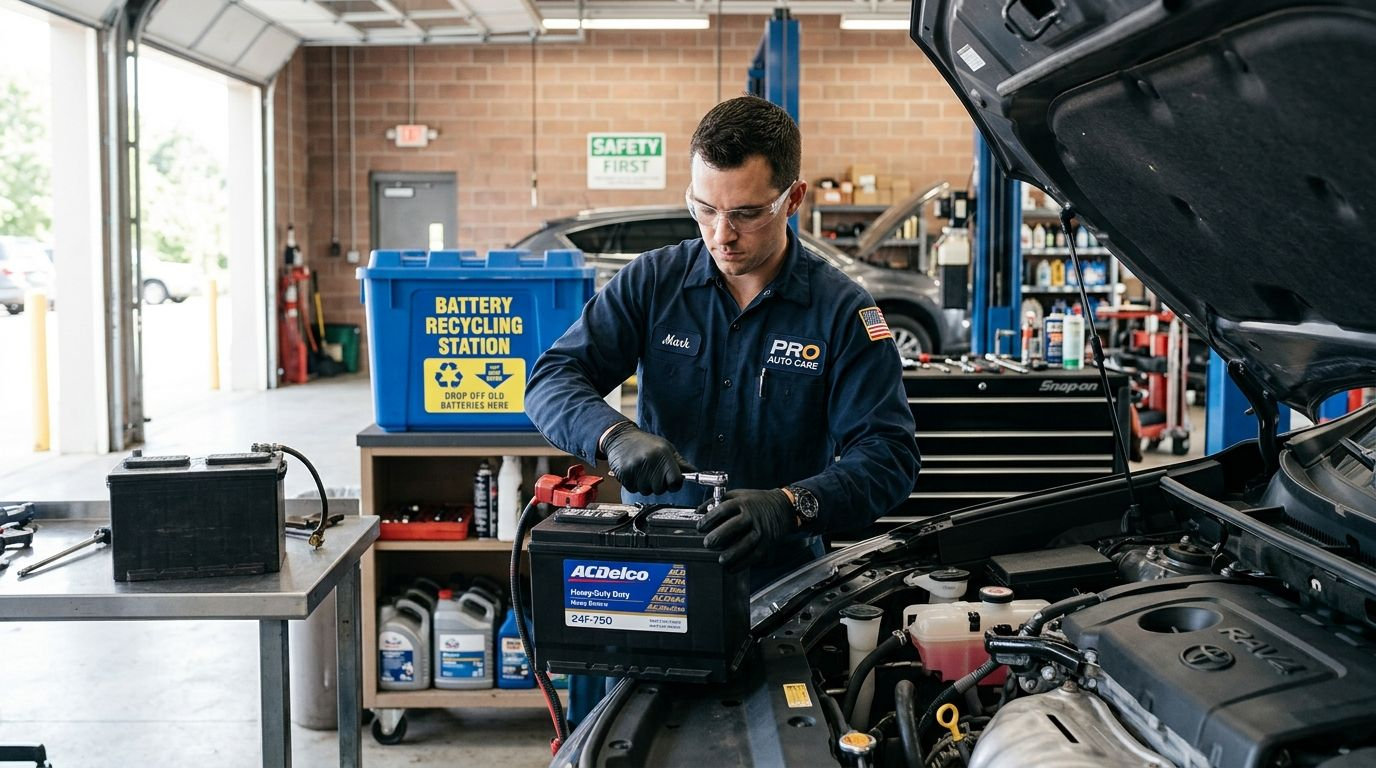
A dead battery can waste a sales day, tie up a ramp, and distort your margin decision on a stock unit that already looked tight. The right call is not just whether the car starts again. It is whether the battery can be returned to service without adding electrical risk, comeback exposure, or compliance problems.
Revive only when the battery and the vehicle justify it
Revival makes sense when the battery has been discharged by storage and the unit still tests as serviceable after a proper recharge. It does not make sense when the casing is swollen, the terminals are damaged, electrolyte loss is visible, or the battery fails load testing after charging. In those cases, replacing the unit usually costs less than the time lost chasing a weak recovery and then dealing with a failed handover.
Late-model vehicles raise the stakes. Poor jump-start practice, unstable donor power, or careless charger use can upset control modules and create faults that were not present when the car entered stock. That is an avoidable workshop cost.
A one-off start is not proof of fitness for retail.
Use a set process. Check the battery's physical condition first. Use workshop-grade chargers and booster packs that are routinely inspected. Follow manufacturer-safe connection procedures. Then retest the battery and charging behaviour before the vehicle goes back into prep or onto the forecourt.
For teams that need a practical refresher, this guide on how to change a car battery properly is a useful process reference for prep staff and junior technicians.
Workshop rule: If you cannot account for why the battery went flat, the job is still open.
Replacement and disposal need a process
Once replacement is justified, the removed unit becomes a waste handling and record-keeping issue. Dealers should treat that battery as part of the vehicle file and the workshop audit trail, not as scrap left by the roller door until the next collection. Poor storage creates spill risk. Poor records create compliance risk. Both are unnecessary.
The commercial point is straightforward. Battery disposal carries handling costs and legal duties, and trade sites are expected to use an approved route. General background on battery waste volumes and processing costs is outlined in Business Waste battery waste facts, but for day-to-day motor trade handling the discipline matters more than the headline number.
The controls are simple and worth enforcing:
- Store removed batteries upright: Keep them in a designated, protected area pending collection.
- Assign ownership: One person should log removals, inspect storage conditions, and arrange collection.
- Use approved contractors: Verify that your recycler or waste carrier has a clear battery handling process.
- Keep a practical reference on hand: Teams handling used lead-acid units can use a lead acid battery compliance guide to support safe recycling and record-keeping.
This matters beyond housekeeping. A replaced battery, recorded properly, becomes part of the provenance trail. It shows what failed, when it failed, and whether the issue was isolated consumable wear or part of a wider pattern that affects valuation, preparation spend, and retail confidence.
What a Dead Battery Reveals About Vehicle Provenance
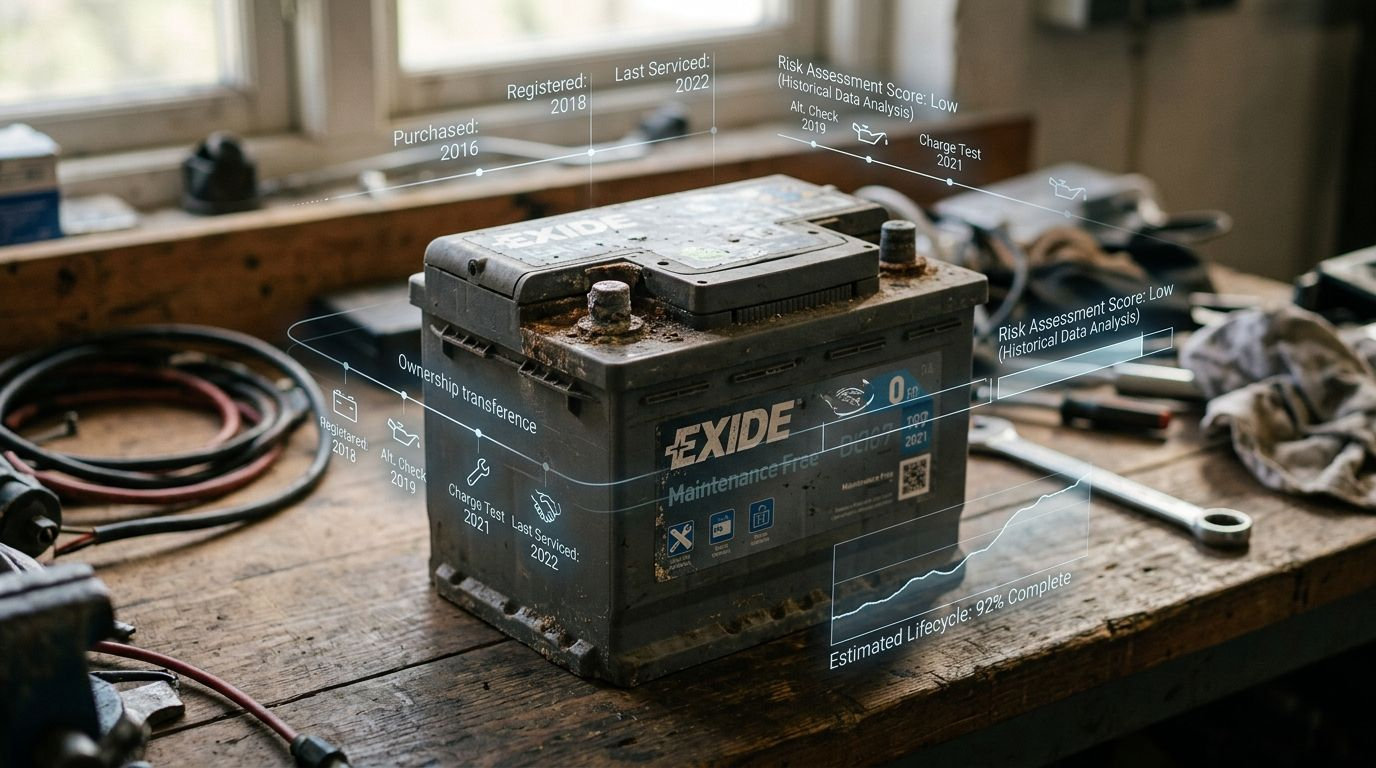
A car arrives on site with clean paint, acceptable tyres, and a dead battery. For a dealership owner, that is not just a workshop interruption. It is a provenance signal.
Battery failure often reflects how the vehicle has lived between services and owners. Long periods off the road, repeated short runs, poor storage, intermittent use, and undocumented electrical modifications all leave traces. The battery is often the first component to show them. In appraisal terms, that makes it a useful clue because it can support, or contradict, the story told by the advert, service book, and seller.
Usage pattern is part of provenance
A flat or failed battery commonly points to inactivity or repeated short-trip use. Both patterns matter commercially because they tend to bring secondary issues with them. Cars that sit can develop brake corrosion, tyre flat-spotting, stale fluids, seized components, and charging faults that only appear after handover. Cars used only for short local runs may show low annual mileage but still carry heavy stop-start wear.
That is why battery findings should be read against the record, not in isolation. A file that lets you review the service and maintenance history of a vehicle gives the battery result proper context. If the car has missed service intervals, covered very low mileage in irregular bursts, or changed hands quickly, a dead battery starts to look less like bad luck and more like part of a pattern.
One fault can expose a lot.
Electrical clues often point to hidden history
Dead batteries also raise questions about what has been fitted, removed, or disturbed. A parasitic drain may come from a tracker, dash cam hardwire, non-factory alarm, audio upgrade, towbar electrics, or poor repair work after accident damage. None of that is visible in a basic walk-round if the trim is back in place and the car still presents well.
For the trade, the potential for cost risk starts to build. Hidden electrical work can lengthen prep time, create repeat defects, and trigger warranty claims that are hard to recover from the previous owner or vendor. It can also indicate a car that has been modified outside normal standards, then pushed back into the market with little paperwork.
A battery fault that does not fit the age, mileage, and condition profile should trigger a provenance review before approval to stock.
Why basic checks miss the context
History checks still matter because battery condition only gives you one physical clue. Wider record checks help test whether that clue fits the vehicle's background. The Car Expert found that 17.6% of checked used cars had outstanding finance and 27.5% showed number plate changes. Those are the sort of details that can turn a simple battery failure into a larger risk question about ownership pattern, identity changes, or disposal pressure.
Free checks also have limits. They usually stop at basic DVLA-accessible information and may miss finance, write-off category, or scrapped status, as explained in this overview of free vehicle history check limitations.
Battery evidence should therefore sit alongside mileage consistency, MOT history, ownership sequence, and signs of electrical alteration. The same principle applies on smaller electric vehicles as battery age affects value, reliability, and replacement cost, which is outlined in this guide to electric moped battery lifespan. A dead battery may still be ordinary wear. If it conflicts with the vehicle's documented history, it becomes a risk marker that deserves closer scrutiny before pricing and retail release.
Proactive Battery Management for Forecourt Stock
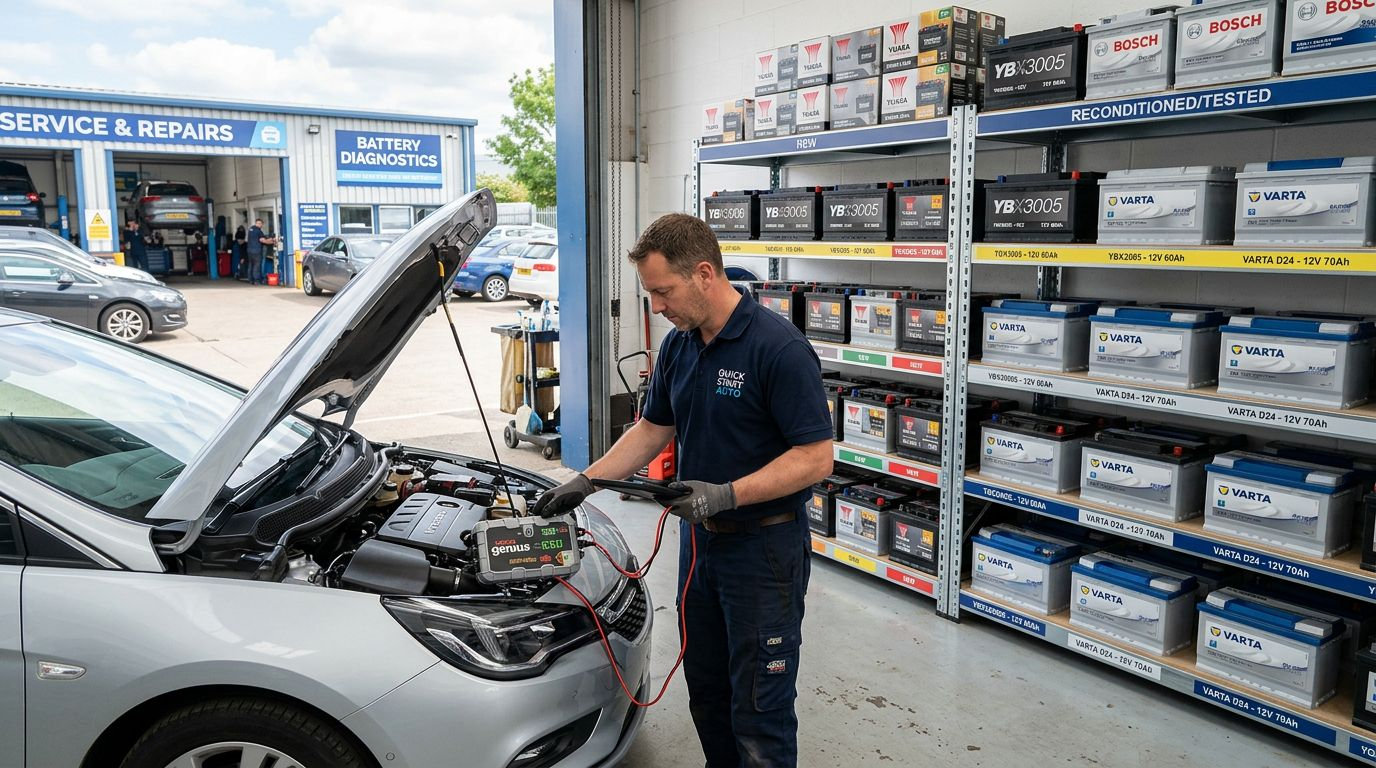
A customer arrives for a booked test drive. The car is front-row stock, freshly valeted, priced to leave this week, and it will not start. At that point the problem is no longer a flat battery. It is a failed handover, a wasted appointment, a pressure point on margin, and a sign that stock control is too loose.
Forecourt battery management should sit with vehicle risk control, not just workshop prep. A battery failure on site often reflects how long the car has stood, how it was stored before purchase, whether an electrical drain has gone unnoticed, or whether intake checks were rushed. Those details matter because they affect readiness, warranty exposure, and confidence in the unit's recent history.
The strongest operators run a simple discipline. Every vehicle gets an intake voltage check, a dated battery note on the stock record, and a charging or monitoring decision based on age, standing time, and equipment fitted. Cars with trackers, aftermarket stereos, dash cams, or intermittent use need tighter oversight than fast-turning clean retail stock.
A practical routine usually includes:
- Battery status logged at intake: Record condition as soon as the vehicle lands, so weak units are identified before prep delays and customer bookings.
- Scheduled maintenance charging: Cars left standing need planned battery support, especially during slow stock turns or seasonal dips.
- Pre-appointment start checks: Verify vulnerable units on the day of a viewing or test drive, not when the customer is on site.
- Priority flags for higher-risk stock: Older part-exchanges, cars with obvious inactivity, and vehicles with added electrical equipment should be reviewed more often.
- Clear replacement thresholds: Once a battery becomes unreliable, replacement is usually cheaper than repeated jump starts, aborted demonstrations, and technician time.
This is basic stock hygiene, but it also protects valuation. A car that repeatedly presents with a dead battery attracts avoidable workshop cost and starts to raise wider questions about usage pattern and electrical condition. If your team needs a benchmark for expected service life and storage effects, keep this UK guide to how long a car battery lasts in your internal process notes.
Mixed-site operators should apply the same thinking across other battery-powered stock lines. The guide to electric moped battery lifespan is not about lead-acid car batteries, but it is a useful reminder that storage conditions, charging habits, and idle periods have direct resale and reliability consequences across categories.
Good battery control reduces failed appointments and workshop interruptions. Beyond that, it turns a common fault into a usable operational signal before that vehicle reaches retail exposure.
From Battery Problems to Provenance Intelligence
At appraisal, a dead battery looks cheap to fix. On a forecourt or in arbitration, it can become an expensive clue you failed to read.
Experienced buyers treat battery failure as part of the vehicle's risk profile, not a stand-alone workshop job. The battery may be at end of life, but it can also point to long idle periods, poor storage, repeated short-run use, parasitic drain from added electrical equipment, careless preparation between owners, or weak maintenance discipline. Each of those scenarios affects confidence in the car, the cost to get it retail-ready, and the odds of a post-sale problem.
A battery fault adds context to the appraisal
A multimeter confirms whether the battery is discharged, deteriorated, or not receiving proper charge. It does not explain why the vehicle reached that state. That matters, because the commercial question is rarely limited to whether the engine starts today. The underlying question is whether the battery issue fits a wider pattern that should change your bid, your prep budget, or your appetite for the unit.
Ownership analysis helps close that gap. Basic checks can leave traders with only part of the picture, and online access to current and previous keeper information is restricted without a written request under the DVLA guidance on getting vehicle information. As a result, a dead battery often needs to be read alongside mileage history, servicing consistency, finance status, and any signs of irregular use rather than treated as an isolated defect.
Good decisions come from combining workshop findings with vehicle history
In practice, the strongest call is made when the physical fault and the history support each other. A flat battery in a well-kept, regularly serviced car with stable ownership may be routine. The same fault in stock with mileage inconsistencies, frequent keeper changes, patchy maintenance records, or signs of prolonged inactivity deserves more caution. That is where margin gets lost. Buyers overpay for what looks like a minor recommissioning job, then absorb further prep cost, delayed sale time, and harder customer conversations once the wider condition starts to show.
This is why serious acquisition teams build battery faults into a broader assessment model. The aim is not to diagnose chemistry. The aim is to judge whether the fault is ordinary wear or one more marker of a vehicle that has been poorly used, poorly stored, or poorly represented. Dealers building that discipline usually get better results from automotive data analytics for vehicle acquisition and risk assessment.
The better appraisal question is simple. What does this dead battery say about the car's history, not just its ability to start today?
If your team wants to turn everyday workshop clues into better buying decisions, AutoProv helps UK motor traders assess vehicle provenance, ownership patterns, mileage anomalies, and hidden risk signals that basic checks often miss. It supports the point-of-decision judgement that sits behind safer acquisitions, stronger valuations, and fewer surprises once stock lands on site.
Frequently Asked Questions
AI-Generated Content Notice
This article was created with the assistance of artificial intelligence technology. While we strive for accuracy, the information provided should be considered for general informational purposes only and should not be relied upon as professional automotive, legal, or financial advice. We recommend verifying any information with qualified professionals or official sources before making important decisions. AutoProv accepts no liability for any consequences resulting from the use of this information.
From our AI insights
- The Importance of Tyre Verification for UK Motor Traders
Discover why verifying tyre specs is crucial for UK traders to ensure safety and compliance.
- Decoding CO2 Emissions: A Trader's Guide
Learn how traders can verify CO2 data using factory build sheets to prevent disputes.
- Navigating Recall Compliance for UK Car Traders
Ensure compliance with recall regulations: essential steps for UK car traders.
Related Articles

The Importance of Car Maintenance and Provenance Checks
Discover why regular car maintenance and proper provenance checks are essential for vehicle quality and longevity.

Essential Car Maintenance Tips for UK Drivers
Discover vital car maintenance tips to keep your vehicle roadworthy and compliant in the UK.

How Much Is a Car Service? Complete UK Price Guide
Trying to pin down exactly "how much is a car service?" can feel a bit like asking "how long is a piece of string?". Prices vary quite a bit, but to give you a ballpark figure, an interim service will usually set you back around £100 to get started. A more thorough full service often begins at £180, while a major service for many cars can easily top £300.
Published by AutoProv
Your trusted source for vehicle intelligence