
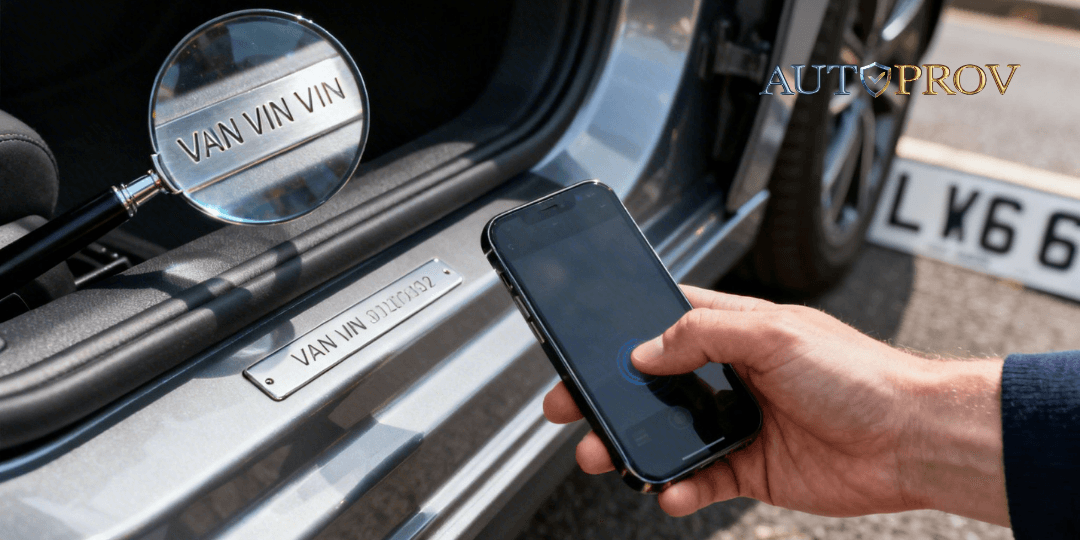
What does a "free VIN check" in the UK actually deliver for a motor trade professional? Consider it the first, most basic filter in your vehicle appraisal process. It's a rapid check of publicly available government data that confirms a vehicle's core identity, its MOT history, and current tax status. It is a crucial first step for any dealer or wholesaler, but it is just that—a first step.
Critically, a free check provides no visibility of high-risk commercial information like outstanding finance agreements or insurance write-off history. For that level of insight, a professional-grade provenance report is required.
What a Free Vehicle Check Delivers for the Trade
For anyone in the motor trade, a free check is an essential starting point. It's a rapid diagnostic tool, allowing you to instantly verify a vehicle's fundamental details using official DVLA and DVSA records. This no-cost first look is effective for quickly filtering out potential stock with obvious, surface-level issues.
Its value lies in that initial screening, not in the final risk assessment. You are essentially confirming the vehicle's official identity—a quick check to ensure the car in front of you matches its paperwork. It is the non-negotiable baseline for any appraisal, but it only reveals the very first layer of a vehicle's provenance.
The Foundation of Due Diligence
A free check establishes a solid, factual foundation. It confirms the key data points that inform your initial valuation and guide your physical inspection. It is an indispensable part of an efficient stock-buying workflow. With just a registration number, you can instantly see:
- Vehicle Identity: Confirmation of the make, model, colour, and engine size.
- Key Dates: The vehicle's date of first registration and year of manufacture.
- MOT Status: A complete MOT history, including passes, fails, and any advisory notices.
- Tax Information: The current road tax status and its expiry date.
This data allows you to spot immediate red flags without financial outlay. However, it is vital to understand this is where the utility of a free check ends. It tells you the what, but it does not reveal the what if.
The UK's used car market is more crowded than ever. Over the last three decades, the number of licensed cars has increased by 55%, with over 34 million vehicles now on Great Britain's roads. This sheer volume amplifies the risk of encountering vehicles with hidden, costly histories, making deep provenance intelligence more critical than ever. Discover more insights about UK vehicle data on AutoProv.ai.
How to Perform Public Vehicle Data Checks
Before committing capital to a vehicle, there are several foundational checks that are non-negotiable. This is your initial due diligence, using official government portals to get a baseline read on a car. It's the quick, simple way to filter out obvious issues and spot any surface-level problems before you waste further time or resources.
Consider it your first line of defence. These checks confirm a vehicle’s basic identity against official records, ensuring the car matches its V5C. It is fast, costs nothing, and should be an ingrained part of your appraisal workflow.
A Step-by-Step Guide to Public Data Checks
To get this initial snapshot, any motor trade professional should use three key government services. Each one provides a different piece of the puzzle, and together, they build a basic but essential profile of the vehicle.
- DVLA Vehicle Enquiry Service: This is your primary tool for confirming a car's core identity. Enter the registration number into the GOV.UK portal to instantly verify the make, model, colour, engine size, year of manufacture, and date of first registration.
- MOT History Check: The official GOV.UK MOT history service is where you examine a vehicle's roadworthiness record. It provides a complete log of every MOT test, including passes, fails, advisory notices, and—crucially—the mileage recorded at each test.
- Vehicle Tax Status Check: A quick check on the GOV.UK vehicle tax portal confirms if the vehicle is currently taxed. It also provides its expiry date and CO2 emissions, which is useful for understanding running costs.
This simple process reveals the first layer of a vehicle's history, but as the flow shows, it also highlights where significant hidden risks often lie.

While these initial steps are essential for basic verification, they stop well short of uncovering the deeper provenance issues that can impact your bottom line.
Analysing MOT History for Mileage Anomalies
The MOT history check is particularly valuable for the first mileage check UK traders can perform for free. By scanning the mileage recorded at each annual test, you can quickly spot patterns that lack logical progression.
Any significant drops in mileage, or long periods where the vehicle appears to have covered minimal distance between tests, should be treated as a risk signal demanding closer inspection. A steady, logical increase in mileage year-on-year is the expected pattern.
Anything other than a consistent progression is an immediate red flag. It’s a clear signal that a more advanced dealer vehicle check is required to rule out potential mileage tampering or data entry errors before proceeding.
These free tools are indispensable for any motor trader. They provide the hard facts needed for an initial assessment and form the bedrock of any sound vehicle history check UK process. For another layer of verification, you can learn more about what a free chassis number check in the UK reveals.
Remember, this public data only ever tells part of the story. The most significant and costly risks almost always remain hidden.
Turning Public Data into Actionable Intelligence
Acquiring raw data from a free vehicle check is straightforward. The professional skill lies in knowing how to interpret it. For a seasoned motor trader, the information from the DVLA and MOT history portals isn't just a list of facts—it’s the first layer of a vehicle's story. This is where you start turning basic data points into intelligence that protects your capital.
The focus is shifting from merely collecting data to actively analysing it. An MOT certificate might show a pass, but a pattern of recurring advisory notices for the same oil leak, year after year, indicates a persistent, underlying fault. That is no longer just data; it is intelligence signalling a neglected issue that will likely require investment to rectify.
Spotting Early Warning Signs
A professional appraisal means reading between the lines of free public data. You are looking for inconsistencies and patterns that hint at deeper issues—the kind a standard check would never flag. This is your first-pass risk assessment.
Here are key red flags to watch for:
- Significant Gaps in MOT History: Long periods where a vehicle was apparently off the road are a major warning. This could indicate anything from major, undisclosed accident damage to a long-term breakdown that caused other mechanical problems from sitting idle.
- Recurring Advisories: A persistent advisory for "slight corrosion" or "oil misting" on multiple MOTs tells a clear story. The problem has not been fixed; it has been ignored. This is a strong indicator of poor maintenance and future repair costs.
- V5C and DVLA Discrepancies: Even subtle mismatches, like a different "date of first registration" on the V5C compared to the DVLA's online record, require immediate investigation.
These are not minor details; they are the earliest indicators of motor trade risk. Learning to spot them turns a simple free vin check uk into a powerful preliminary diagnostic tool. For a deeper dive into what these details mean, our guide on a full vehicle details check can provide more context.
The table below breaks down how to translate these initial observations into a clear-eyed assessment of the financial risk to your dealership.
Decoding Free Vehicle Check Data: Potential Red Flags
Viewing raw data from a free check is one thing, but understanding its real-world implication for your bottom line is what matters. This table translates what you see on the screen into the potential financial exposure for your business, helping you decide on the critical next step.
Data Point Observed Potential Risk for a Motor Trader Recommended Next Step Inconsistent mileage progression on MOTs Potential mileage tampering ("clocking"), which severely impacts value and is illegal to sell knowingly. Escalate to a full mileage check UK with a trade-grade report to analyse data from more sources. Colour listed on DVLA differs from the car The vehicle has had a respray, possibly to hide poor bodywork, accident repair, or theft recovery. Conduct a thorough physical inspection of paint quality and panel gaps. Multiple MOT fails for emissions Indicates potential issues with expensive components like the catalytic converter, DPF, or EGR valve. Factor in significant potential repair costs before making an offer. Escalate to a diagnostic check. MOT carried out far from owner's location May suggest the owner was trying to find a lenient tester to pass a vehicle with known faults. Treat with caution and perform a more rigorous mechanical inspection. Ultimately, this first stage of analysis is your filter. It allows you to quickly remove vehicles with obvious issues and identify which ones warrant the time and cost of a full, trade-grade provenance check.
The Critical Risks That Free Checks Miss
A free vehicle check provides an essential first look, but its real value is in knowing what it cannot tell you. The greatest threats to your dealership's capital and reputation are almost always invisible to these public data checks. Relying solely on a free report is like checking a ship’s paintwork but ignoring its structural integrity; the surface might look fine, but the real dangers are hidden.
That gap between public data and professional vehicle provenance is where serious risk resides. These unseen histories can lead to direct financial loss, from having a vehicle repossessed from your forecourt to acquiring unsellable stock with a compromised past.

Undisclosed Finance Agreements
One of the most immediate threats to a motor trader's capital is an outstanding finance agreement. When you purchase a vehicle with an active hire purchase or PCP agreement, the finance house retains legal title until the debt is settled. A free check from the DVLA offers absolutely no insight into this.
This blind spot can be catastrophic. If the previous keeper ceases payments, the lender can—and will—repossess the asset, even if it is on your forecourt. The result is a total loss of your investment and significant administrative disruption.
Industry data suggests 1 in 10 used cars on the UK market has outstanding finance, representing over £2 billion in hidden debt. With finance fraud increasing and tens of thousands of vehicles repossessed annually, a professional trade-grade check is not optional; it is essential risk management.
Unrecorded Insurance Write-Offs
Another major risk that a free check will not detect is a vehicle's insurance write-off history. Public MOT data will not flag if a vehicle has been declared a Category S (Structural) or Category N (Non-structural) write-off by an insurer following an accident.
A vehicle could have a clean MOT pass yet be hiding significant, poorly repaired structural damage. Taking such a vehicle into stock unknowingly exposes your business to liability, reputational damage, and potential legal action under the Consumer Rights Act 2015 if sold without disclosure.
A trade-grade vehicle history check accesses the Motor Insurance Anti-Fraud and Theft Register (MIAFTR). This reveals critical write-off information, protecting you from acquiring compromised or unsafe stock.
Sophisticated Mileage Tampering
Reviewing MOT history can help spot obvious mileage discrepancies, but it often misses more sophisticated tampering. A "clocker" can alter the mileage between tests just enough to avoid raising red flags on the next official check.
A professional mileage check, such as those provided by AutoProv, goes deeper by cross-referencing data from a much wider range of sources, including previous sales listings and service records. This builds a more complete picture of the vehicle's history, flagging anomalies that a simple MOT overview would never catch. This protects your valuation and prevents you from retailing a clocked vehicle. Our in-depth guide explains more about why a complete car history check is more than just a free look.
Ownership Patterns and Rapid Resale
Finally, a free check provides zero context on a vehicle's ownership journey. This is a critical piece of vehicle provenance intelligence. A vehicle that has been sold multiple times in a short period—a classic sign of rapid resale—often indicates a persistent, hard-to-diagnose fault that previous owners have passed on.
This pattern of short-term ownership is a high-value risk signal that only a professional report can uncover. Spotting it is key to avoiding vehicles with recurring mechanical or electrical issues that could lead to costly post-sale comebacks.
Using a VIN Check to Combat Vehicle Cloning Fraud
Vehicle cloning is a direct and growing threat to every dealer's reputation and bottom line. It is a sophisticated fraud where criminals take a stolen vehicle and assign it the identity of a legitimate, road-legal vehicle of the same make and model. The danger is that a basic registration check will appear correct because the data belongs to the legitimate car, creating a false sense of security.
This is where a free vin check uk becomes your first line of defence. Its most critical function is to confirm that the registration number (VRM) on the plate matches the Vehicle Identification Number (VIN) stamped into the car's chassis. That single cross-reference is your most powerful first move in unmasking a clone.

Your Physical VIN Inspection Checklist
A digital check is essential, but it is ineffective without a physical inspection. Never take a vehicle's identity at face value. A physical VIN inspection is a non-negotiable step in any professional vehicle appraisal.
- Windscreen: Check the VIN plate visible on the passenger side of the dashboard. Look for clear, evenly spaced digits and any signs of tampering.
- Door Jamb: Find the manufacturer’s sticker, usually on the driver’s side B-pillar or door frame. Cross-reference this VIN with the one on the windscreen.
- Engine Bay/Chassis: Locate the VIN stamped directly onto the chassis itself—often on the bulkhead or a suspension turret. This is the most difficult for criminals to fake convincingly.
All three numbers must match each other and the number printed on the V5C logbook. Any mismatch is a significant red flag indicating a potential clone.
The rise of vehicle cloning represents a severe financial risk. If you unknowingly purchase a cloned vehicle, you will lose your entire investment when it is identified and seized by the police. This makes physical VIN verification an indispensable part of your motor trade risk management strategy.
The Growing Threat of Cloning
Cloning is an escalating problem for the UK motor trade. Criminals exploit Automatic Number Plate Recognition (ANPR) cameras by fitting plates from legitimate cars onto stolen ones, allowing them to operate undetected until the vehicle is sold to an unsuspecting trader. You can learn more about how a VIN check helps combat vehicle cloning on totalcarcheck.co.uk.
These figures highlight how vital a meticulous check is. While a free check provides initial data points, a full vehicle provenance report from a trade-grade service like AutoProv adds crucial layers of security by flagging other inconsistencies that may point to fraud. To better understand this threat, check out our guide on car cloning prevention in the UK.
When to Escalate to a Trade-Grade Provenance Check
Knowing when to stop and dig deeper is what separates a savvy trader from one who incurs a loss on a bad vehicle. A free VIN check in the UK is an excellent first-pass filter for weeding out obvious issues during an initial appraisal. However, certain situations demand immediate escalation to a professional, trade-grade provenance service. This is not about running another check; it is about accessing intelligence that protects your capital.
Consider free checks a basic temperature reading. If the result is anything other than normal, a full diagnostic scan is required. These trigger points should be firm rules in your buying process. Making this shift from basic data to deep-dive analysis is a core part of managing motor trade risk.
Scenarios Demanding a Deeper Analysis
Certain vehicles inherently carry more risk, making a standard check insufficient. In these cases, escalating is essential due diligence.
Here are key trigger scenarios:
- High-Value Stock: For any premium, performance, or high-value vehicle, the financial exposure is too great to rely on public data. A comprehensive report is a mandatory investment.
- Imported Vehicles: Vehicles from outside the UK can have complex or incomplete histories that free UK checks will not detect. A specialist check is needed to verify their background.
- Inconsistent Histories: Any red flags in the initial free checks, such as unusual MOT mileage patterns or significant gaps in the history, are non-negotiable reasons to commission a full report.
- V5C Document Issues: A missing V5C, one that looks new, or one showing multiple recent keeper changes is a clear signal to examine the vehicle's ownership patterns more closely.
Ultimately, escalating to a full dealer vehicle check is a strategic move. It transforms your appraisal from a quick glance into a forensic examination, giving you the clarity needed to protect your capital, reputation, and profit margins.
By establishing these triggers, you build a more robust, risk-aware buying strategy. A detailed vehicle provenance report provides the context and insight that a free check cannot, turning a potential gamble into a calculated, informed investment.
Straight Answers for Motor Traders
This section provides direct, trade-focused answers to common questions about using a free vin check uk and knowing when a professional-grade report is non-negotiable.
Are Free VIN Checks Sufficient to Protect My Dealership?
No. A free VIN check is an essential first step for confirming a vehicle's basic identity against DVLA and MOT records. However, it is not sufficient to protect your business from serious financial loss.
Free checks are blind to the most significant risks, such as undisclosed finance, unrecorded accident damage, or a high-risk ownership history. For any professional motor trader, a free check should only ever be a preliminary filter before conducting a full, trade-grade vehicle provenance report.
Can a Free Check Identify Outstanding Finance?
Absolutely not. A standard public data check from the DVLA or DVSA will never provide information on outstanding finance agreements. This data is held by finance houses and is only shared with professional used car history report services.
Purchasing a vehicle with an outstanding finance agreement is a major risk. The finance company retains legal title to the vehicle and can repossess it at any time, resulting in a total loss of your investment.
What if the VIN on the Car Does Not Match the V5C?
Stop. If the physical VIN stamped on the vehicle does not match the V5C logbook or the data returned from a DVLA check, it is a major red flag for motor trade risk.
Do not proceed with the purchase under any circumstances. A VIN mismatch is a classic indicator of potential vehicle cloning or theft. The only appropriate action is to walk away from the transaction and consider reporting it if criminal activity is suspected.
At AutoProv, a basic check is just the starting point. Our platform is designed to deliver the deep-dive vehicle intelligence and provenance analysis that UK motor traders need to buy smarter, reduce risk, and protect their capital. https://autoprov.ai
Frequently Asked Questions
AI-Generated Content Notice
This article was created with the assistance of artificial intelligence technology. While we strive for accuracy, the information provided should be considered for general informational purposes only and should not be relied upon as professional automotive, legal, or financial advice. We recommend verifying any information with qualified professionals or official sources before making important decisions. AutoProv accepts no liability for any consequences resulting from the use of this information.
From our AI insights
- Navigating UK Grey Imports: A Trader's Guide
Understand the complexities and opportunities of UK grey imports for savvy motor traders.
- Navigating Private Plate Challenges in UK Vehicle Checks
Learn how private plates affect UK vehicle checks and how traders verify provenance and spot cloning risks.
- Navigating VIN Checks Post-Brexit: What UK Traders Need to Know
Discover how Brexit impacts VIN checks for UK traders and the crucial data to review.
Related Articles

Essential Vehicle Checks Before Buying a Used Car
Learn essential checks to ensure your used car purchase is safe and sound in the UK market.

Why a Provenance Check is Essential for Used Car Buyers
Ensure your used car is a smart investment by understanding the importance of a provenance check and how AutoProv can help.
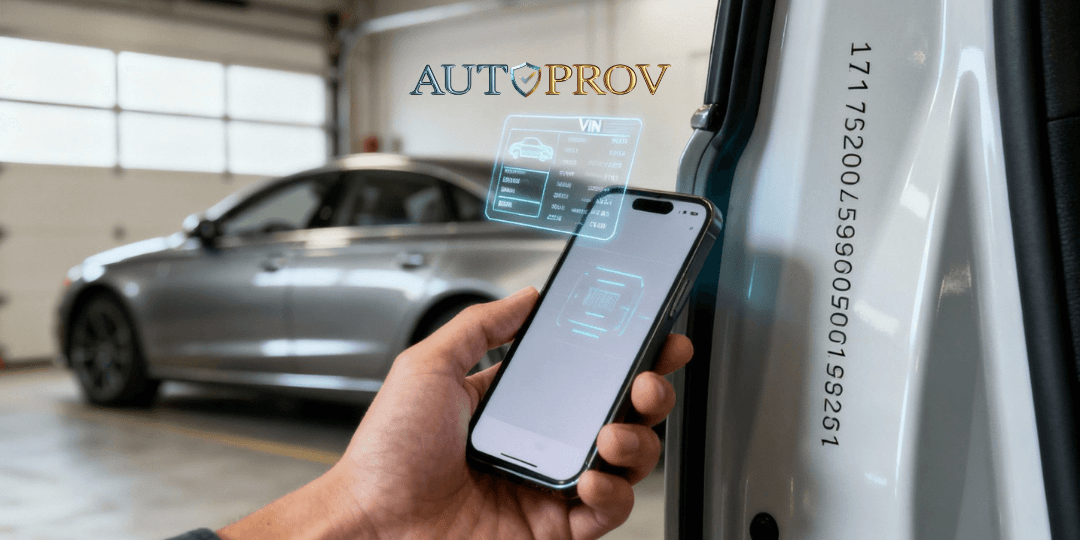
A Guide to Vehicle Check with VIN Number
A vehicle check with vin number is easily the most important thing you can do before buying a used car. Think of it as your first line of defence—a quick, simple step that pulls back the curtain on a vehicle's past, protecting you from expensive mistakes, legal headaches, and downright dangerous cars.
Published by AutoProv
Your trusted source for vehicle intelligence
