
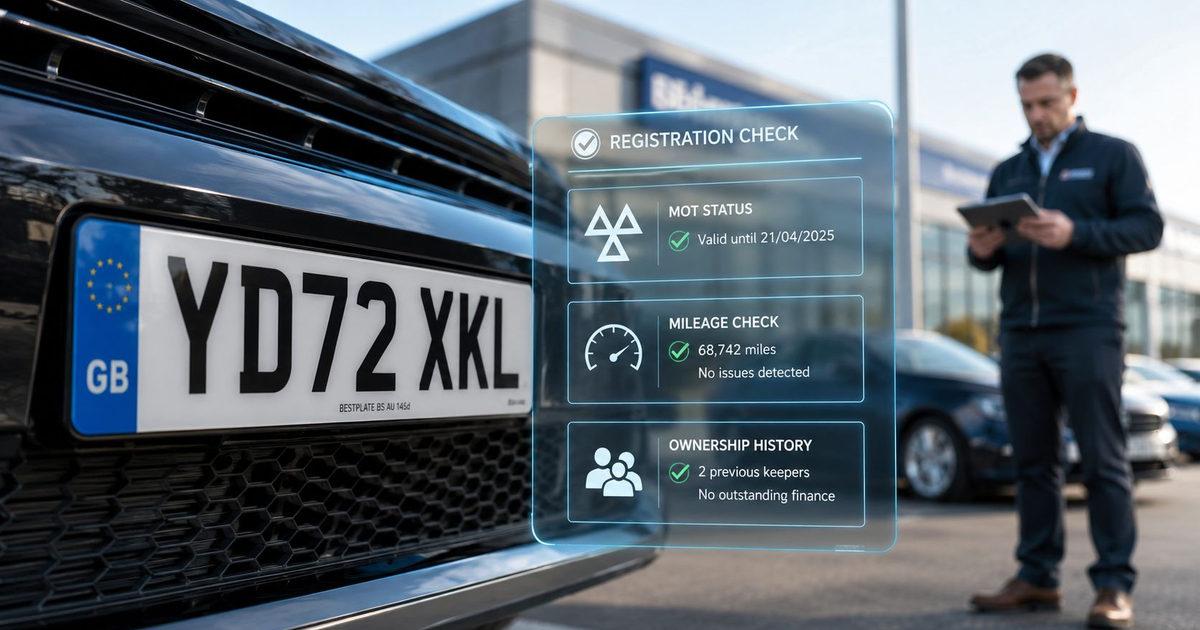
A quick UK vehicle registration number check can make a stock purchase feel settled before the vehicle has even reached the workshop. The plate matches the make and model, the MOT is live, the recorded mileage rises in sequence, and the seller's explanation sounds plausible. Under auction or forecourt pressure, those green flags can be enough to release funds.
That's where experienced buyers get caught. A registration lookup is a useful gateway into official records, but it's still a point-in-time view of selected datasets. It may confirm that a vehicle exists and has a recorded compliance history without explaining what happened between those records, or what another data source may reveal about its provenance.
For dealers, the distinction matters. A basic reg check validates identity and visible history. Trade vehicle intelligence helps assess whether the vehicle's story is coherent enough to justify buying it.
Table of Contents
- The Stock Purchase That Looked Clean
- What a Registration Number Reveals
- Start with the DVLA identity layer
- Add the DVSA MOT trail
- Understand the data service behind the lookup
- What a Reg Check Can and Cannot Reveal
- What normally passes through
- What remains outside the basic result
- Basic HPI-Style Checks vs Trade-Grade Provenance
- The difference is context
- Reading Risk Signals Inside Reg Check Data
- Mileage needs a timeline
- Sparse coverage changes the question
- Ownership behaviour provides context
- Interpreting Conflicting Records at the Point of Decision
- Weight records in a practical order
- Escalate before the money moves
- A Trade-Buyer Checklist for Smarter Stock Decisions
The Stock Purchase That Looked Clean
The hatchback looked like straightforward retail stock. It was around three years old, presented well, and the registration number returned the expected make and model. The MOT was valid, the recorded mileage appeared consistent with the available test timeline, and the keeper history didn't immediately suggest anything unusual.
The dealer bought it in the normal trade rhythm. There was pressure to secure the car before another buyer took it, and the initial margin looked workable after transport, preparation and retail costs. Nothing in the quick check created a clear reason to stop.
The problem surfaced weeks later. An electrical fault became difficult to diagnose, and workshop inspection pointed towards repairs that didn't fit the vehicle's apparent history. Wiring, connectors and bodywork evidence suggested accident damage had been addressed before the dealer acquired the car. An insurance enquiry then exposed a category loss that hadn't appeared in the basic registration-number report.
The near-miss wasn't caused by ignoring the check. The dealer had checked the obvious items. The issue was that the check had been asked to answer a question it wasn't designed to answer.
The practical lesson: a clean result can mean that the queried records contain no visible adverse marker. It doesn't necessarily mean the vehicle has clean provenance.
A standalone reg lookup can expose tax status, MOT history, recorded mileage and core identity information. It may also show keeper changes or other basic markers, depending on the provider and the data it accesses. It won't automatically confirm the quality of structural repairs, trace every component to a VIN, or reconcile every private service record with the official MOT trail.
That distinction should shape the buying process. The registration number remains the starting key, but the buying decision needs a wider vehicle history check UK workflow. Dealers who treat the first result as a verdict are more exposed than dealers who use it to decide whether further scrutiny is justified.
What a Registration Number Reveals
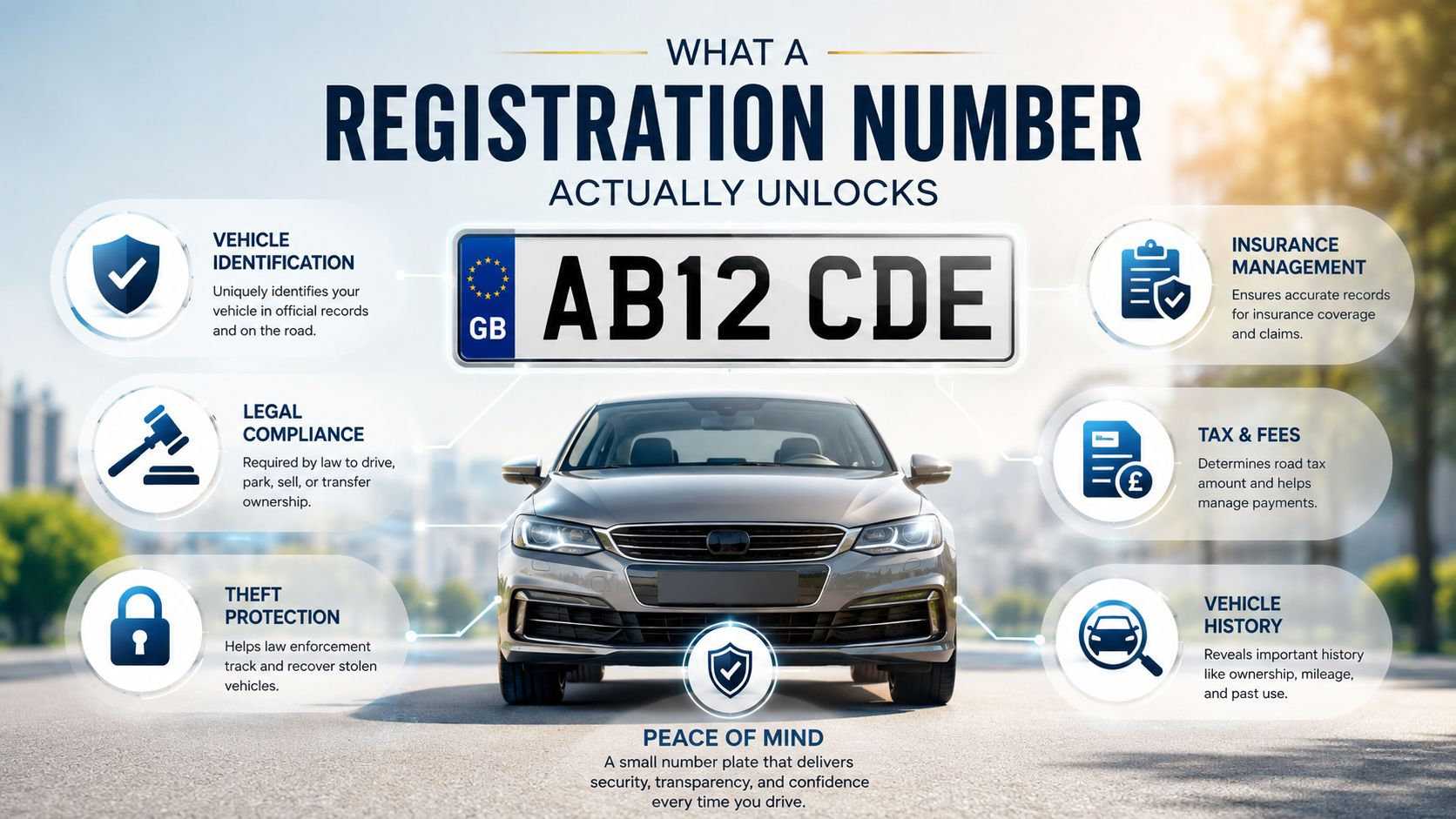
A UK registration mark is the starting key for several separate vehicle records. The DVLA vehicle information service uses it to return identity and compliance details, including tax and SORN status, MOT expiry, first registration date, year of manufacture, fuel type, engine size, emissions and export status. For a dealer, that makes the plate useful well before a full history report is ordered.
Start with the DVLA identity layer
First confirm that the vehicle in front of you matches the registration record. Compare the make, model-related identity details, colour, fuel type, engine size and other available specifications with the physical car, its V5C and the seller's description. AutoProv outlines car specifications from a registration number as a practical way to validate those core details before reviewing wider provenance. It also explains the limits of V5C information for traders in understanding V5C logbook data limitations.
The registration mark has long served as the standard identifier for UK vehicle records. DVLA guidance also explains that some details can be obtained by telephone after the caller confirms the make and registration number. DVLA moved liability and first-registration lookups from higher-cost telephone lines to the lower-cost 0300 service in December 2014, part of the shift towards online public verification.
Add the DVSA MOT trail
The official MOT record adds a time series to the identity check. For cars, motorcycles and vans in Great Britain, it provides test outcomes from 2005 onwards, while heavier classes have records from 2018, as described in the DVLA guidance linked above. Entries may include pass or fail results, mileage recorded at each test, failure reasons, advisories and downloadable certificates.
That sequence helps a buyer assess whether mileage generally rises, defects recur or the recorded use fits the vehicle presented for sale. It is a screening layer, not a complete repair or ownership file.
Understand the data service behind the lookup
Authorised third parties can access MOT history through the DVSA MOT history API. It supports vehicle-identifier queries, including registration searches, and covers Great Britain history since 2005 and Northern Ireland history since 2017 for cars, motorcycles and vans, according to DVSA's explanation of its MOT history data.
For motor traders, this allows registration searches to feed stock systems, valuation tools and automated review workflows. The plate supplies a machine-readable reference, while the result depends on the datasets a provider can lawfully access and its handling of conflicting records.
Dealers examining how number-plate information is presented online may also find Jt Plates and generative engine optimization relevant. The practical point is clear: the registration connects several records, but the buyer still has to test whether those records support the vehicle's claimed provenance.
What a Reg Check Can and Cannot Reveal
A dealer can use a registration number to establish a useful baseline, but not to certify the vehicle's full history. The official DVLA lookup, already linked above, returns recorded details such as tax or SORN status, MOT expiry, first registration date, year of manufacture, fuel type, engine size, emissions and export status. Those fields help confirm whether the car presented matches the record and whether its current administrative position needs attention.
The MOT record adds test outcomes, mileage readings, failure reasons, advisories and certificates. It can expose an unusual sequence, such as a lower reading after a higher one, or a lengthy gap where an inspection trail would normally be expected. Treat these as signals for investigation, not automatic proof of tampering. A sensible stock workflow pauses the purchase, checks invoices and service records, then escalates discrepancies for physical inspection.
What normally passes through
A registration search can usually help confirm:
- Identity: The number links to core vehicle details that can be compared with the car, V5C and seller's description.
- Compliance: Tax, SORN and MOT status show the vehicle's recorded position at the time of the lookup.
- Inspection history: MOT outcomes and defect information show how the vehicle performed at recorded tests.
- Mileage points: MOT readings create a sequence that can be compared with service invoices and trader descriptions.
- Keeper movement: Available keeper information may show a pattern of ownership changes.
Each result describes a record, not the whole vehicle. An MOT pass confirms the outcome of that test. It does not confirm that the car has never suffered structural damage, or that every repair entered a dataset accessible through the registration number.
What remains outside the basic result
A basic reg check will not automatically confirm the quality of structural accident repair, provide VIN-level traceability for replaced parts or reconcile every mileage entry in a service record. It may also lack direct information about finance, insurer write-offs or cross-border history unless the provider adds those sources.
Data point Visible on reg check Limitation Tax and SORN status Often available through DVLA data Shows recorded status at lookup, not mechanical condition MOT expiry and outcomes Available through the official MOT record Does not describe repairs outside the test or explain every defect MOT mileage Recorded at test points Gaps can remain, and non-MOT readings may conflict Make, colour and identity markers Available through DVLA-linked data Must still be checked against the physical vehicle and documents Keeper changes May be included by the provider A count or sequence does not explain why ownership changed Write-off, finance or stolen markers Not guaranteed in a basic lookup Requires broader vehicle history and provenance sources Structural repair quality Not confirmed by the registration number Needs physical inspection and supporting evidence The MOT certificate correction guidance sets a narrow route for correcting a recorded mileage error. Evidence must show that the mileage should be different and be dated within one day of the MOT test. That process helps address a genuine recording mistake, but it cannot fill wider gaps in the vehicle's history.
For dealers, the working decision is pass, pause or escalate. A clean registration result supports the purchase. It does not replace document checks, inspection or source verification. For the limits of V5C evidence, see this guide to V5C logbook data limitations for motor traders.
Basic HPI-Style Checks vs Trade-Grade Provenance
A consumer-style HPI package is usually designed to answer a private buyer's immediate questions. Is the registration valid? Does the vehicle have an adverse status marker? Does the displayed history broadly match the seller's description?
That format is useful for screening, but a forecourt buyer has a different decision to make. The dealer isn't only asking whether the car has a flag. The dealer is deciding how much capital to commit, what preparation risk to allow, how to value the stock and whether a later dispute could undermine the transaction.
The difference is context
A basic report generally presents a concise snapshot. It may be easy to read and appropriate for an initial check, but summary status alone can hide the importance of timing, missing records and conflicting evidence.
Trade-grade provenance adds interpretation around the vehicle's story. It can bring together multi-source records, ownership timelines, mileage patterns, finance or stolen indicators where available, insurance-related events and other contextual risk markers. The important output isn't just the raw entry. It's the relationship between entries.
Dimension Basic HPI-style check Trade-grade provenance and risk intelligence Primary purpose Quick status review for a buyer Stock acquisition, valuation and risk assessment Data presentation Summarised flags and history Cross-source timeline with contextual anomalies Ownership view Keeper count or basic changes Timing, sequence and unusual transitions Mileage Recorded readings where available Pattern analysis across MOT and other records Accident or loss history Status marker where available Provenance context around events and conflicting evidence Plate history May be limited or summarised Used as part of identity and timeline analysis Decision output Helps a buyer continue or ask questions Helps a dealer price, escalate, negotiate or decline A used car history report that stops at a status flag can miss the meaning of a sequence. A vehicle with sparse mileage evidence, rapid keeper movement and an unexplained plate change deserves a different buying response from one with a consistent ownership and inspection trail, even if both return the same basic status.
The distinction isn't a criticism of consumer products. They serve a different audience and a different buying moment. A private buyer may need a clear overview. A wholesaler or stock controller needs evidence that supports a repeatable acquisition policy.
This is also why a registration number check should be connected to the wider workflow. A dealer may use a basic report to eliminate obvious mismatches, then apply a provenance-grade review to vehicles that pass the initial screen. AutoProv is one trade-focused option that analyses vehicle history, provenance, mileage patterns, ownership timelines and risk indicators for point-of-purchase decisions, rather than presenting the registration as a standalone answer. Further context on data choices is available in vehicle data differences for UK traders.
A basic check confirms that the vehicle's recorded identity is plausible. Trade intelligence helps decide whether the vehicle's background is coherent enough to buy.
Reading Risk Signals Inside Reg Check Data
The registration record becomes more useful when a dealer reads it as a sequence. An isolated mileage entry rarely tells you much. A series of readings, ownership events and inspection gaps can reveal whether the seller's explanation fits the available evidence.
Mileage needs a timeline
MOT records capture mileage at test time, creating an official set of reference points. The guidance on correcting mileage mistakes in MOT certificates explains why dated evidence matters when a reading is wrong. For buying purposes, the first task is to compare every available reading in order, then identify where the story breaks.
Useful signals include:
- A downward movement: A later MOT reading below an earlier one needs an explanation and supporting evidence.
- A flatline: The same mileage across separate tests may reflect limited use, a recording issue or manipulation.
- An implausible rise: A sudden increase can be legitimate, but it should fit the vehicle's service cadence, keeper pattern and seller narrative.
- A silent interval: Missing readings don't prove clocking, but they leave an evidence gap that should affect valuation and escalation.
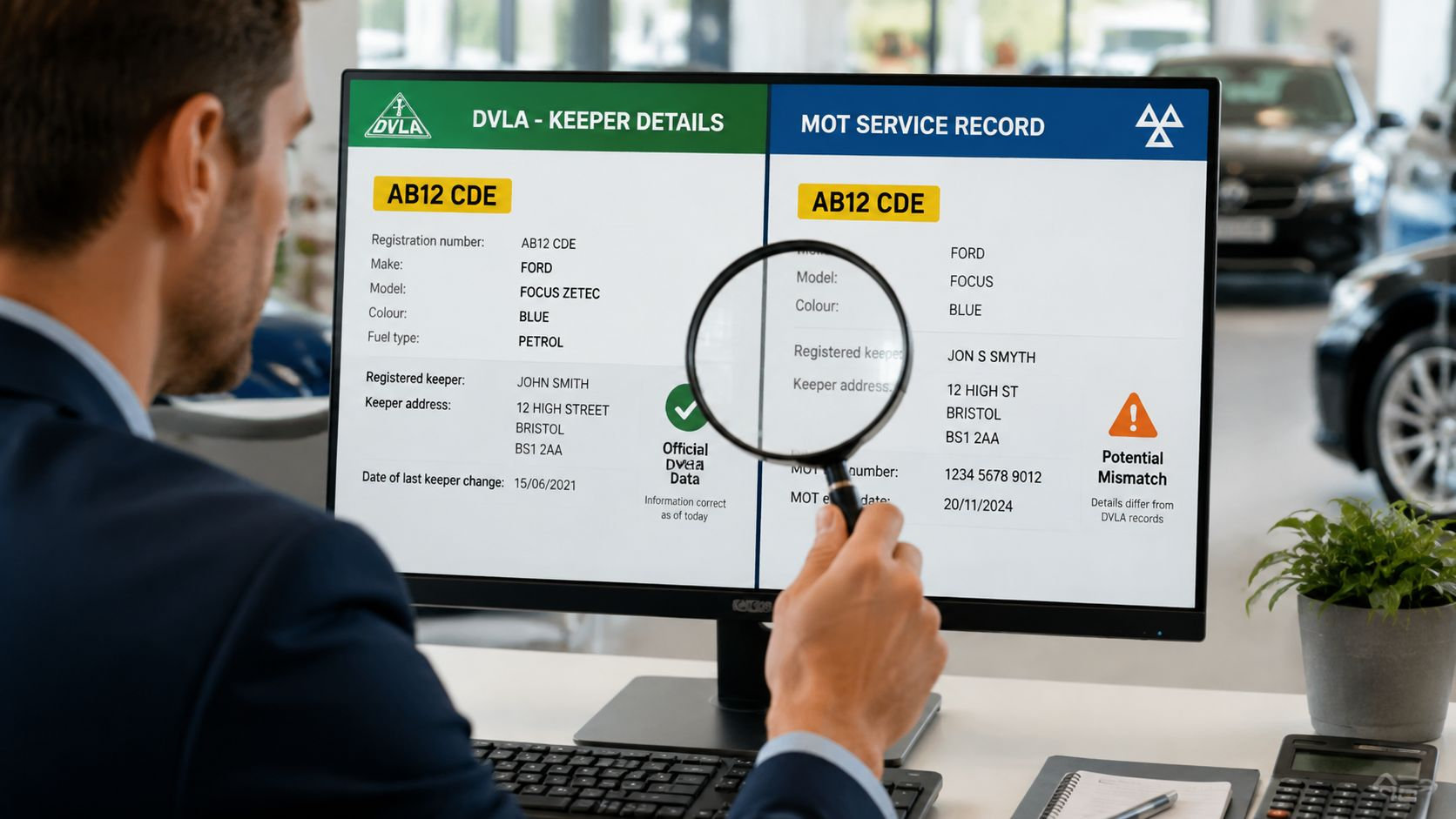
A listing or service invoice can conflict with MOT history without proving which entry is wrong. Treat the discrepancy as a risk event, preserve the documents, and ask for dated supporting evidence rather than accepting a verbal correction.
Sparse coverage changes the question
A newer vehicle may have little or no MOT mileage history because the MOT mileage check guidance explains that the record begins at the vehicle's first MOT, which normally starts at three years old. That makes the absence of early MOT mileage unsurprising on younger stock, but it also means dealers need other evidence, such as service history, ownership timing and usage patterns.
For older stock, a long gap in tests can indicate that the vehicle was off the road, moved between jurisdictions, used outside the expected pattern or had a period where mileage evidence wasn't captured. The right response is to investigate the gap, not label it automatically as fraud.
Ownership behaviour provides context
AutoTrader notes that mileage data can be missing when a garage doesn't submit it or when a keeper doesn't complete the mileage field on a V5C during a keeper change, as described in its mileage discrepancy guidance. Short-term ownership and rapid resale therefore matter most when they coincide with sparse or inconsistent mileage evidence.
Look for transfers clustered around a plate change, several keepers in quick succession, or a vehicle that appears to move rapidly through disposal channels. None is a verdict alone. Together, they can justify a deeper trade vehicle intelligence review before valuation.
A useful rule on the trade floor is simple: the more gaps the vehicle has, the less weight you should place on a single reassuring result.
Interpreting Conflicting Records at the Point of Decision
Conflicting records are common enough that every buying team needs a consistent response. The mistake is either dismissing the conflict as an admin error or treating it as conclusive proof of fraud without checking the underlying evidence.
Start with the identity layer. Confirm the DVLA-linked make, model, colour, fuel type, engine size and registration details against the physical vehicle and the V5C. If those fundamentals don't align, stop the purchase until the seller explains the mismatch.

Weight records in a practical order
Use DVLA information as the identity reference, then read the MOT history as the operational trail. After that, examine third-party provenance markers, including plate changes, cross-source mileage and any ownership pattern that doesn't match the vehicle's stated use.
A seller listing that shows a higher mileage than the latest MOT needs clarification. A lower later reading is more serious than a minor transcription difference. A V5C issue date that appears inconsistent with the first MOT may indicate late registration or a documentation issue, so it needs evidence rather than assumption.
For additional context on how registration changes affect a vehicle timeline, use the plate change history guide. Keep the original listing, screenshots, invoices and messages in the stock file so the buying decision is auditable.
Escalate before the money moves
Ask the seller to explain the exact date and source of each disputed reading. Request supporting service documentation, inspect the vehicle for repair evidence, and check whether the registration, VIN and documents agree. If the explanation depends on missing records, undocumented repairs or a downward mileage adjustment with no dated evidence, pause the transaction.
Walk-away trigger: an unresolved identity mismatch, an unsupported mileage reversal or a provenance event that the seller can't explain should be treated as a capital-risk decision, not a minor paperwork query.
A dealer doesn't need to prove wrongdoing at the point of purchase. The requirement is to decide whether the available evidence supports the price and the expected retail risk. If it doesn't, renegotiate on evidence, escalate to a broader vehicle history check UK review, or leave the stock.
A Trade-Buyer Checklist for Smarter Stock Decisions
A basic check should sit at the front of the buying workflow, not at the end. Run it before bidding, before agreeing a part exchange and before accepting a vehicle into group stock.
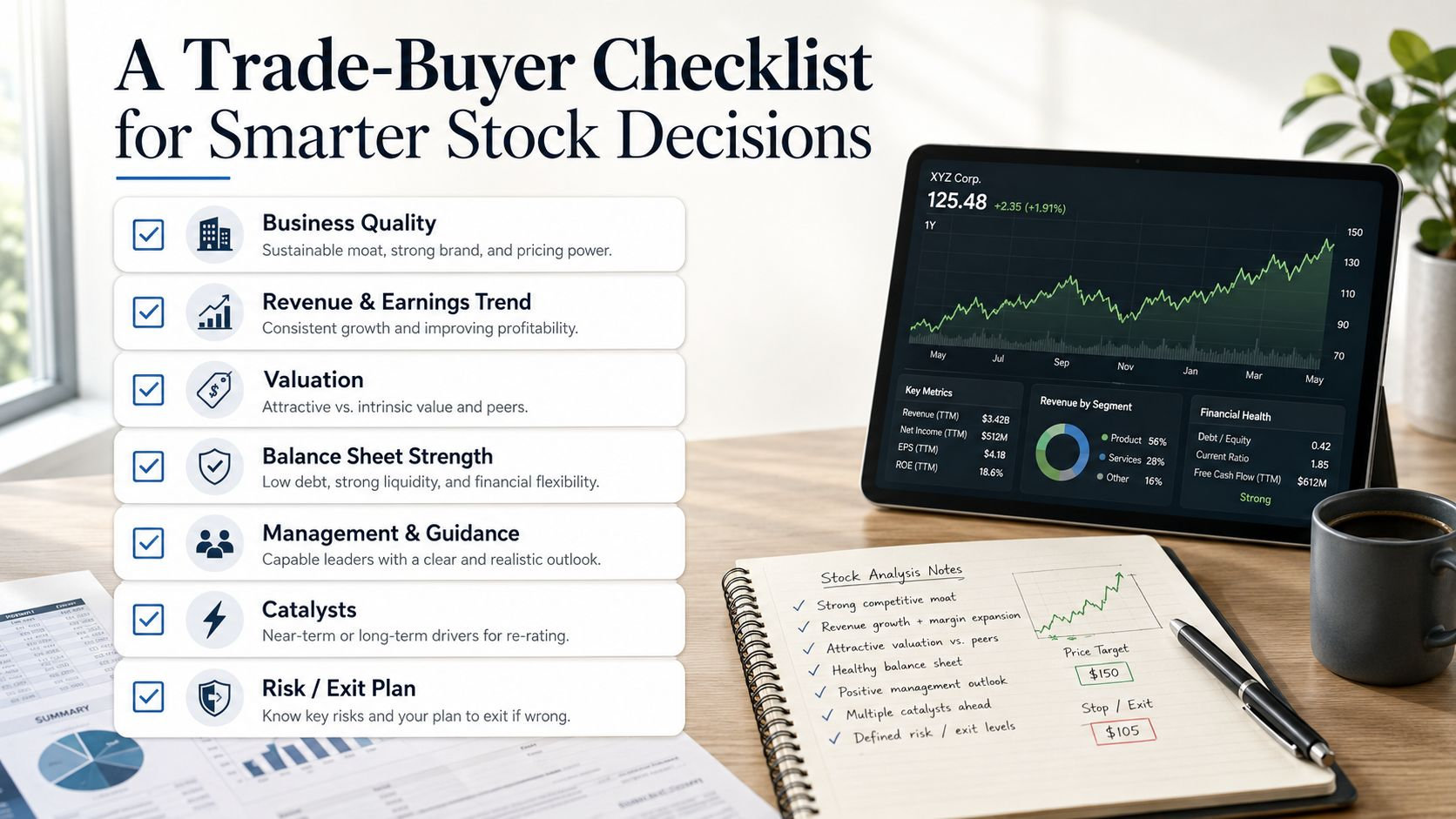
- Confirm the registration identity. Match the DVLA-linked details to the vehicle, VIN, V5C and seller's description. Resolve discrepancies before considering price.
- Validate MOT continuity. Review outcomes, advisories, failure reasons and recorded mileage. Note gaps without assuming they prove misconduct.
- Compare mileage evidence. Set MOT readings against service invoices, inspection sheets, auction notes and the current advert. Downward movements and unsupported adjustments require escalation.
- Read ownership movement. Look beyond the keeper count. Consider short-term transfers, rapid resale and plate changes in relation to the vehicle's age and use.
- Separate visibility from assurance. A valid MOT and tax status don't confirm structural repair quality, finance position, insurance history or cross-border provenance.
- Escalate anomalies before purchase. Apply a broader provenance review when records conflict or evidence is sparse. Used car buying advice for trade decisions can support the wider process, but it shouldn't replace documented checks and physical inspection.
This is the minimum discipline for a modern buying team. The next layer is point-of-decision intelligence that joins the records, highlights anomalies and gives the buyer a clear reason to proceed, renegotiate or decline.
AutoProv provides UK motor traders with vehicle history, provenance and risk intelligence that analyses DVLA records, MOT history, mileage patterns, ownership timelines and other available risk indicators. Visit AutoProv to assess how a registration-led review can fit into your stock acquisition and valuation workflow before funds leave the account.
Frequently Asked Questions
AI-Generated Content Notice
This article was created with the assistance of artificial intelligence technology. While we strive for accuracy, the information provided should be considered for general informational purposes only and should not be relied upon as professional automotive, legal, or financial advice. We recommend verifying any information with qualified professionals or official sources before making important decisions. AutoProv accepts no liability for any consequences resulting from the use of this information.
From our AI insights
- Navigating UK Grey Imports: A Trader's Guide
Understand the complexities and opportunities of UK grey imports for savvy motor traders.
- Navigating Private Plate Challenges in UK Vehicle Checks
Learn how private plates affect UK vehicle checks and how traders verify provenance and spot cloning risks.
- Navigating VIN Checks Post-Brexit: What UK Traders Need to Know
Discover how Brexit impacts VIN checks for UK traders and the crucial data to review.
Related Articles

Essential Vehicle Checks Before Buying a Used Car
Learn essential checks to ensure your used car purchase is safe and sound in the UK market.

Why a Provenance Check is Essential for Used Car Buyers
Ensure your used car is a smart investment by understanding the importance of a provenance check and how AutoProv can help.
A Guide to Vehicle Check with VIN Number
A vehicle check with vin number is easily the most important thing you can do before buying a used car. Think of it as your first line of defence—a quick, simple step that pulls back the curtain on a vehicle's past, protecting you from expensive mistakes, legal headaches, and downright dangerous cars.
Published by AutoProv
Your trusted source for vehicle intelligence
